Benefits of Guava Leaves
 Espanol
Espanol
Beyond the Fruit: Unlocking the Remarkable Power of Guava Leaves 🍃
When we think of the guava tree, our minds typically jump to its sweet, fragrant, and vitamin C-rich fruit. However, there's a hidden treasure often overlooked: the humble guava leaf. For centuries, traditional medicine systems across the tropics have harnessed these vibrant green leaves for their potent medicinal properties. Modern science is now catching up, validating what many cultures have long known. This article delves deep into the impressive benefits of guava leaves, offering you a practical guide to incorporating this natural powerhouse into your wellness routine for enhanced health and vitality.
A Nutritional Powerhouse in Leaf Form 🔬
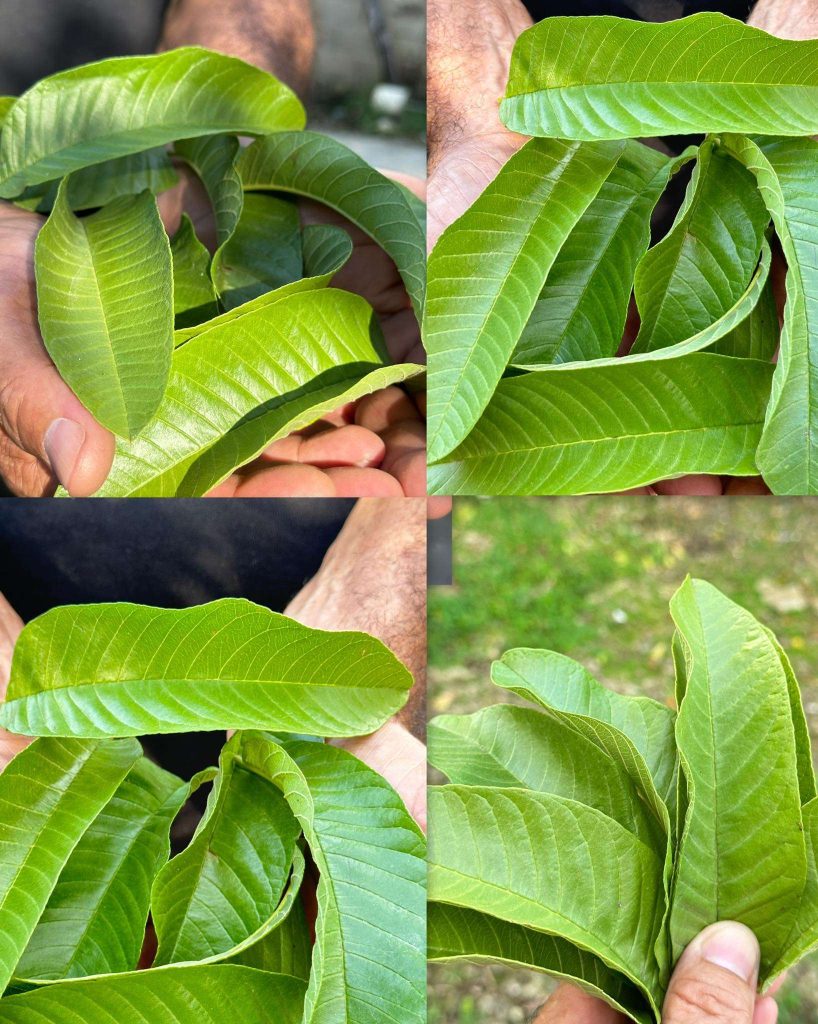
Guava leaves (Psidium guajava) are packed with a formidable array of bioactive compounds. They are rich in powerful antioxidants like quercetin and flavonoids, which combat oxidative stress and cellular damage. They also contain significant anti-inflammatory agents, essential vitamins (notably B vitamins and vitamin C), and minerals such as potassium and magnesium. Furthermore, guava leaves possess potent antibacterial and antimicrobial properties, making them a versatile tool for both internal health and external care. This unique phytochemical profile is the foundation for their wide-ranging health benefits.
Key Health Benefits Explored 🌟
The applications of guava leaves are surprisingly broad, impacting everything from metabolic health to skin clarity. Here are some of the most well-researched and practical benefits:
1. Blood Sugar Regulation: One of the most celebrated benefits is their potential to help manage blood sugar levels. Compounds in the leaf inhibit the absorption of certain types of sugars in the blood, such as maltose and sucrose. Drinking guava leaf tea after meals may help prevent blood sugar spikes. Several studies suggest it can improve insulin sensitivity, which is crucial for long-term metabolic health. 🩸➡️📉
2. Digestive Harmony: Guava leaves are a boon for your gut. Their anti-microbial properties can help combat harmful bacteria like Salmonella and E. coli, potentially reducing foodborne illness risk. More commonly, a warm tea made from the leaves is an excellent remedy for soothing stomach aches, reducing indigestion, and alleviating symptoms of diarrhea. They help by inhibiting specific gastrointestinal pathogens and reducing intestinal inflammation. 🤢➡️😊
3. Heart Health Support: By helping to regulate blood pressure and "bad" LDL cholesterol levels, guava leaves contribute to a healthier cardiovascular system. The high potassium content aids in managing blood pressure, while the antioxidants help prevent the oxidation of cholesterol—a key step in the formation of arterial plaque. Supporting your heart health can be as simple as enjoying a daily cup of guava leaf tea. ❤️🛡️
4. Skin and Hair Elixir: Don't just ingest them—apply them! The leaves' antibacterial and anti-inflammatory traits make them ideal for topical use. A cooled guava leaf tea rinse or paste can:
- Fight acne and reduce skin inflammation. 🧴
- Slow down the appearance of wrinkles due to their antioxidant activity. ✨
- Strengthen hair follicles, potentially reducing hair loss when used as a scalp treatment. 💇♀️
5. Immune System Boost & Oral Health: The vitamin C and immune-boosting compounds provide a natural defense against common colds and infections. Chewing on young, tender leaves (or using a mouth rinse made from leaf decoction) is a traditional method to relieve toothaches, heal mouth ulcers, and combat gingivitis thanks to their strong anti-inflammatory and pain-relieving effects. 🦷😁
How to Use Guava Leaves: Practical Tips and Methods 🍵
To reap these benefits, you need to know how to prepare and use guava leaves correctly. Fresh, organic leaves are ideal, but dried leaves (available in health stores or online) are equally effective and more convenient for many.
Making Guava Leaf Tea (The Most Common Method):
- Wash 5-10 fresh leaves thoroughly (or use 1 tablespoon of dried leaves).
- Add them to a pot with about 2 cups of water.
- Bring to a boil, then reduce heat and simmer for 10-15 minutes to extract the beneficial compounds.
- Strain the leaves and enjoy the tea warm. You can add a natural sweetener like honey or a dash of lemon for flavor, but it's best consumed without sugar to maximize the health benefits. For optimal digestive benefits, drink this tea after your main meals.
Topical Applications: For skin and hair, prepare a stronger decoction by simmering a larger handful of leaves in water for 20-25 minutes. Let it cool completely, then use it as a facial toner, a soak for problem skin areas, or a final hair rinse after shampooing.
Important Safety Note: While guava leaves are generally safe for most people, if you are pregnant, breastfeeding, or on medication (especially for diabetes or blood pressure), consult your healthcare provider before making it a regular part of your diet, as it may interact with your treatment. 🌿⚠️
Conclusion: Embracing Nature's Green Pharmacy 🌍
The guava leaf stands as a powerful testament to the idea that true wellness often comes from holistic, natural sources. From stabilizing blood sugar and soothing the digestive tract to enhancing skin radiance and protecting your heart, its benefits are both profound and practical. By integrating guava leaf tea or topical treatments into your routine, you are tapping into an ancient, scientifically-backed tradition of natural healing. We encourage you to explore this readily available resource—your journey toward a healthier, more balanced lifestyle might just be a leaf away. Start with a simple cup of tea and experience the gentle, nurturing power of nature's own remedy.
Deja una respuesta