Benefits of Guava Leaves
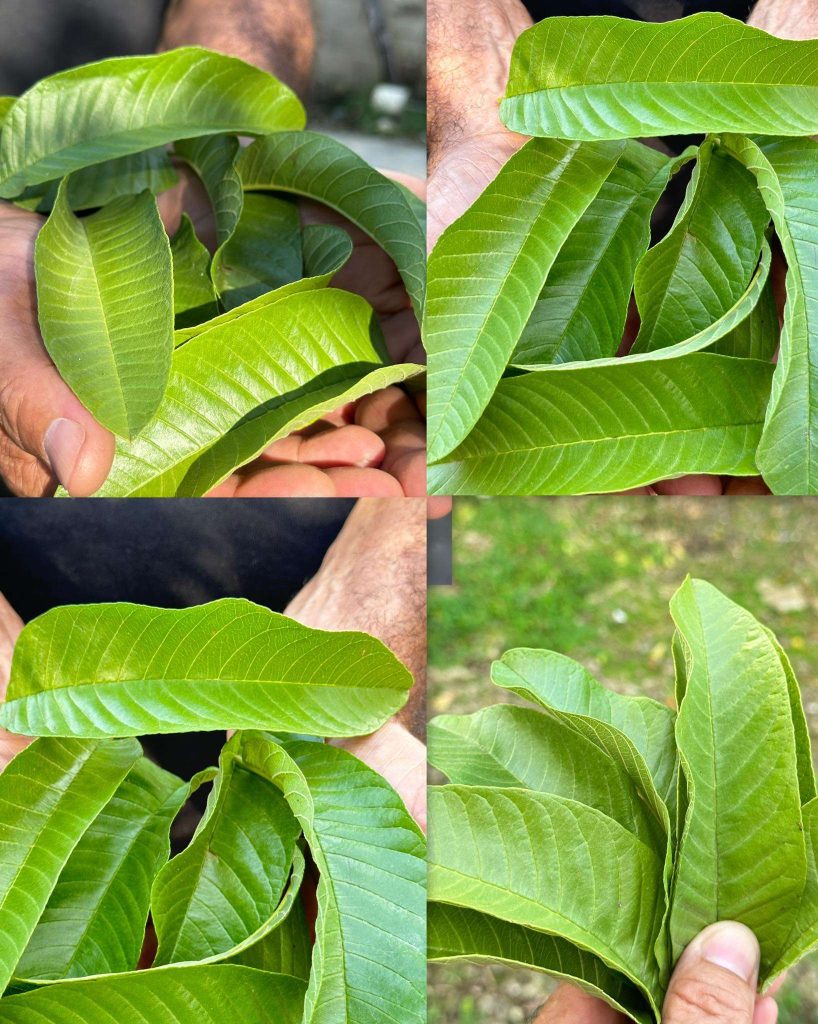
Unlocking Nature's Pharmacy: The Surprising Benefits of Guava Leaves 🍃
 Espanol
Often overshadowed by its delicious fruit, the humble guava tree (Psidium guajava) holds a secret in its vibrant green foliage. For centuries, guava leaves have been a cornerstone in traditional medicine systems across the tropics, from Ayurveda to folk practices in Latin America and Africa. Today, modern science is beginning to validate what ancient healers long knew: these leaves are a powerhouse of bioactive compounds. Packed with antioxidants like quercetin, flavonoids, and essential vitamins, guava leaves offer a remarkable range of health and wellness benefits that extend far beyond common knowledge. This article will delve into the science-backed advantages of incorporating guava leaves into your routine, providing you with practical ways to harness their potential for a healthier life.
Espanol
Beyond the Fruit: A Treasure Trove of Nutrients 🔬
While the guava fruit is celebrated for its vitamin C content, the leaves contain a concentrated blend of therapeutic elements. They are rich in potent antioxidants that combat oxidative stress and inflammation at the cellular level. Furthermore, they possess significant antimicrobial, anti-inflammatory, and astringent properties. Key compounds like quercetin and kaempferol are linked to reduced allergy symptoms and heart health, while the leaves' high flavonoid content supports overall vitality. This unique phytochemical profile is the foundation for their diverse applications.
The Core Health Benefits: From Digestion to Diabetes Management
The applications of guava leaves are impressively broad. Here are some of the most significant, research-supported benefits:
🌿 Digestive Health Champion: Guava leaf tea is a renowned remedy for digestive upset. Its anti-inflammatory properties can soothe the stomach lining, while its antimicrobial action may help combat bacteria like Salmonella and E. coli. For those suffering from diarrhea or dysentery, a strong brew of guava leaves can provide relief due to its astringent qualities, which help reduce looseness and discomfort. For digestive issues, consider drinking a cup of mild guava leaf tea after meals.
🩸 Blood Sugar Regulator: This is one of the most promising areas of research. Several studies indicate that guava leaf extract can help improve insulin resistance and lower blood sugar levels. The leaves appear to inhibit certain enzymes that convert carbohydrates into glucose in the bloodstream, leading to a more gradual sugar absorption. While not a replacement for prescribed medication, it can be a supportive natural adjunct for metabolic health—always consult your doctor first.
❤️ Heart Health Ally: By helping to regulate blood sugar and potentially lowering "bad" LDL cholesterol and triglycerides, guava leaves contribute to cardiovascular wellness. The antioxidants help prevent the oxidation of cholesterol, a key step in the formation of arterial plaque. The potassium in the leaves also supports healthy blood pressure levels.
💆 Skin and Hair Elixir: Applied topically, guava leaf decoctions can work wonders. The antimicrobial and anti-inflammatory traits make it excellent for treating acne, blackheads, and skin infections. You can use cooled tea as a facial toner or create a paste for spot treatment. For hair, rinsing with guava leaf tea is said to strengthen hair follicles, combat dandruff, and prevent hair loss thanks to its nutrient content and scalp-cleansing abilities.
🦷 Oral Care Hero: Chewing on tender guava leaves or using a mouthwash made from them can relieve toothache, soothe inflamed gums (gingivitis), and combat oral microbes that cause bad breath. Their analgesic and antibacterial properties provide a natural first-line defense for oral hygiene.
Weight Management and Immune Support ⚖️
Guava leaves may aid in weight management by preventing complex starches from being converted into sugars, which can promote fat storage. Drinking the tea can be part of a balanced diet and exercise plan. Furthermore, the high vitamin C content and immune-boosting properties help fortify the body's natural defenses, keeping common colds and infections at bay. The anti-inflammatory effects can also be beneficial for reducing joint pain and symptoms of arthritis.
How to Use Guava Leaves: Practical Tips and Methods
To integrate guava leaves into your wellness regimen, follow these simple methods:
1. Tea/Decoction: This is the most common method. Wash 5-10 fresh, organic leaves (or use 1 tablespoon of dried leaves). Boil them in 1 liter of water for 10-15 minutes. Strain and enjoy warm or cool. You can add honey or lemon for taste. Start with one cup per day to assess tolerance.
2. Topical Application: For skin or hair, prepare a stronger decoction by boiling a handful of leaves. Let it cool completely. Use it as a rinse, a spray, or apply directly with a cotton pad.
3. Extract/Powder: Commercial guava leaf extracts and powders are available for a more concentrated dose. Always follow the product's instructions and choose reputable brands.
Important Precautions: While generally safe, pregnant and breastfeeding women should avoid therapeutic use due to limited research. Those on diabetes or blood-thinning medication must consult a healthcare professional, as guava leaves can potentiate these effects. Always source leaves from pesticide-free trees.
Conclusion: Embracing a Leaf of Life
From regulating metabolism to enhancing skin radiance, the benefits of guava leaves are a compelling testament to the wisdom of natural remedies. 🍃 This versatile leaf offers a holistic, accessible approach to supporting various aspects of health, backed by a growing body of scientific inquiry. By preparing a simple tea or a topical rinse, you can tap into this ancient, yet remarkably relevant, botanical secret. Remember, natural supplements work best in conjunction with a healthy lifestyle. We encourage you to explore the potential of guava leaves, starting with a soothing cup of tea, and experience firsthand how this humble leaf can contribute to your journey toward optimal well-being. As with any new health practice, mindful integration and professional guidance are key to unlocking its full, safe potential.
Deja una respuesta