Benefits of Guava Leaves
 Espanol
Espanol
The Surprising Health Powerhouse: Unveiling the Benefits of Guava Leaves 🌿
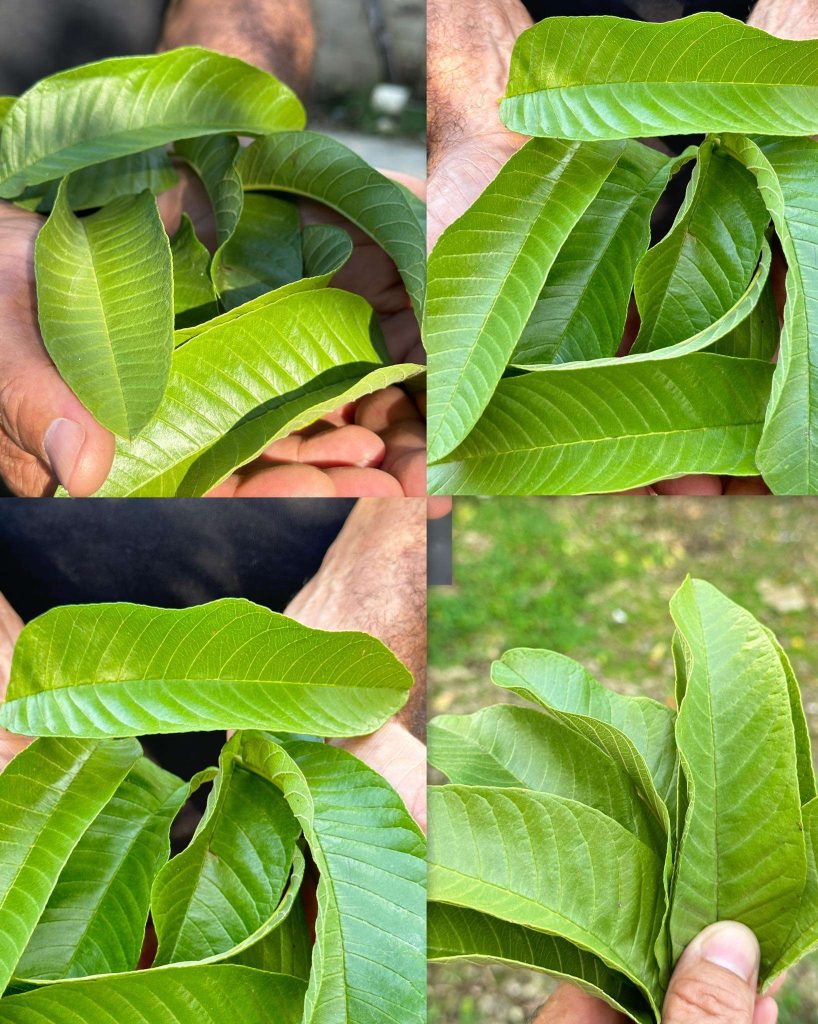
When we think of guava, the sweet, fragrant fruit often steals the spotlight. However, hiding in plain sight is a true treasure of traditional and modern wellness: the humble guava leaf. 🍃 Far from being just garden waste, these vibrant green leaves are packed with a potent cocktail of antioxidants, anti-inflammatory compounds, and essential nutrients. This article delves deep into the science-backed and traditionally celebrated benefits of guava leaves, offering you a practical guide to harnessing their power for your health. Let's explore why this natural remedy deserves a prime spot in your wellness toolkit.
Nutritional Profile: A Closer Look at Nature's Pharmacy 💊
Guava leaves (Psidium guajava) are a rich source of bioactive compounds. They contain powerful antioxidants like quercetin, flavonoids, and carotenoids, which combat oxidative stress and cellular damage. Additionally, they are endowed with anti-inflammatory agents such as tannins (like gallic acid) and essential oils. The leaves also offer notable amounts of Vitamin C, although less than the fruit, along with beneficial compounds like lectins and triterpenoids. This unique blend is responsible for their wide-ranging therapeutic effects, from stabilizing blood sugar to fighting microbes.
Key Health Benefits and Practical Applications ✨
Support for Blood Sugar Management: 🩸 One of the most researched benefits is their positive effect on blood glucose levels. Compounds in guava leaves inhibit certain enzymes that convert carbohydrates into sugar in the bloodstream, leading to a more gradual absorption. A practical tip is to drink guava leaf tea regularly, especially after meals. Steep 5-6 fresh or dried leaves in hot water for about 10 minutes. Studies suggest this can be a valuable complementary practice for maintaining healthy sugar levels.
Promotion of Digestive Health: 🤢 Guava leaves have been used for centuries to soothe a troubled stomach. Their strong anti-bacterial properties can help combat pathogens like Salmonella and E. coli, while their anti-inflammatory nature soothes gastritis and reduces symptoms of diarrhea. For an upset stomach, boiling a handful of leaves in water for 10-15 minutes to make a concentrated tea can provide significant relief. The tannins also have a mild constipating effect, helpful in cases of loose stools.
Boost to Heart Health: ❤️ The leaves contribute to cardiovascular wellness in several ways. They may help lower "bad" LDL cholesterol and triglycerides while supporting "good" HDL cholesterol, thanks to their fiber and antioxidant content. Furthermore, their hypotensive properties can aid in managing blood pressure. Incorporating the tea into a balanced diet can be a heart-smart move. Remember, consistency is key for seeing long-term benefits for your heart.
Enhancement of Skin and Hair Beauty: 💆♀️ The antimicrobial and anti-inflammatory qualities make guava leaves excellent for topical use. A cooled guava leaf decoction can be used as a facial toner to combat acne, reduce redness, and delay signs of aging. For hair, rinsing with the tea can strengthen roots, reduce dandruff, and promote a healthy scalp environment for growth. For a simple skin treatment, crush fresh leaves into a paste and apply it to affected areas for 10-15 minutes before rinsing.
Natural Aid for Weight Loss: ⚖️ Guava leaves may support weight management efforts. By preventing the complex starches in food from being converted into sugars, they can help reduce the body's urge to create and store fat. Drinking the tea, alongside a healthy diet and exercise, can help curb unnecessary cravings and support metabolic health.
How to Prepare and Use Guava Leaves: A Practical Guide ☕
To reap the benefits, preparation is simple. You can use fresh, organic leaves or dried leaves (available in herbal shops).
- For Tea (Infusion): Rinse 5-10 fresh leaves thoroughly. Boil them in 1 liter of water for 10-15 minutes. Strain and enjoy warm or cold. You can add a touch of honey or lemon for flavor.
- For Topical Use: Prepare a stronger decoction by boiling a larger handful of leaves in 500ml of water until the liquid reduces by half. Let it cool completely before applying to skin or hair with a cotton pad.
- For Chewing: In some traditions, tender young leaves are chewed directly to alleviate toothache and gum inflammation due to their analgesic properties.
Always start with a small amount to see how your body reacts, and never use it as a complete substitute for professional medical treatment. ⚠️
Important Precautions and Final Thoughts 🧠
While guava leaves are generally safe for most people, certain precautions are necessary. Pregnant and breastfeeding women should consult a doctor before use. Due to their effect on blood sugar, individuals on diabetes medication must monitor their levels closely to avoid hypoglycemia. As with any herbal remedy, moderation is essential—excessive consumption may lead to stomach irritation or constipation in some individuals.
In conclusion, the guava tree generously offers more than just its delicious fruit. Its leaves are a versatile, accessible, and powerful natural supplement with a spectrum of benefits from internal wellness to external beauty. 🎯 By integrating guava leaf tea or topical treatments into your routine, you are tapping into an ancient wisdom supported by growing modern science. We encourage you to explore this natural remedy mindfully, respecting its potency and always prioritizing a holistic approach to health that includes proper nutrition, exercise, and professional medical guidance. Embrace the leaf, and let nature's subtle power work for you.
Deja una respuesta