Benefits of Guava Leaves
 Espanol
Welcome to a deep dive into one of nature's most underrated treasures: the guava leaf. 🌿 Often overshadowed by the delicious fruit it yields, the humble guava leaf boasts an impressive portfolio of health benefits backed by both traditional wisdom and modern science. This article will explore the powerful properties of these leaves, offering you practical insights on how to integrate them into your wellness routine for enhanced health and vitality.
Espanol
Unveiling the Powerhouse: Nutritional Profile of Guava Leaves
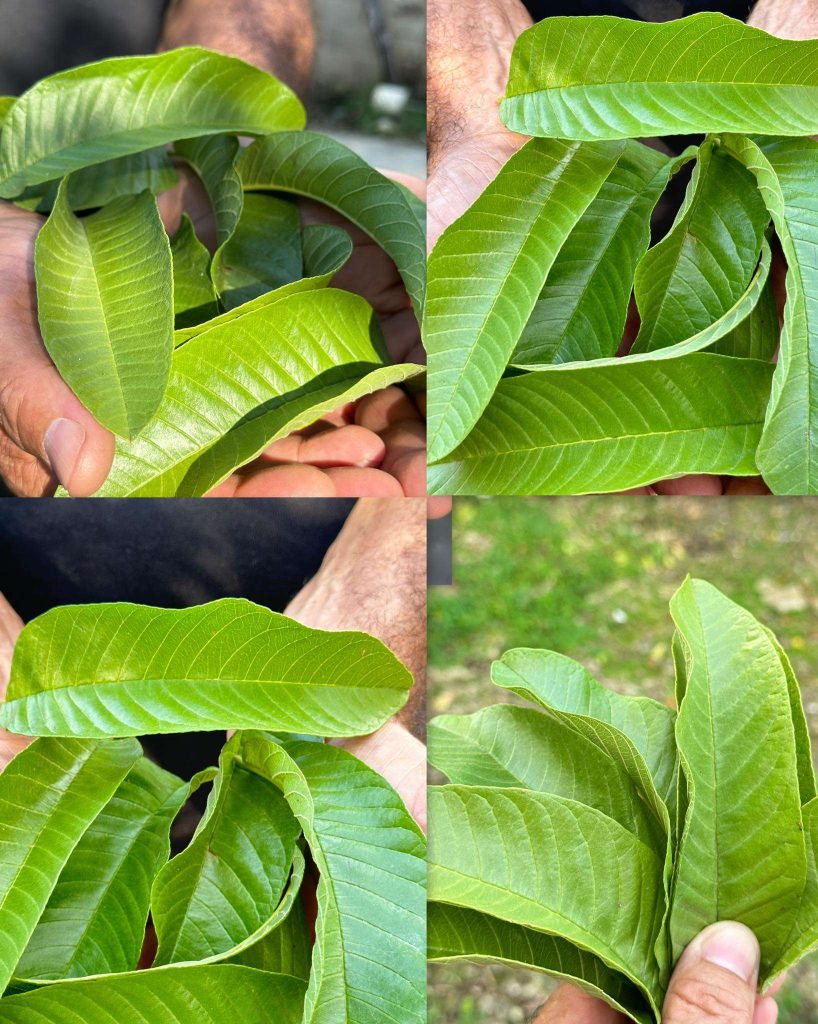
Guava leaves (Psidium guajava) are packed with a formidable array of bioactive compounds. They are rich in potent antioxidants like quercetin and flavonoids, along with essential vitamins (notably Vitamin C) and minerals. Furthermore, they contain valuable anti-inflammatory and antimicrobial agents such as tannins. This unique composition is the foundation for their wide-ranging therapeutic effects, making them far more than just tree foliage.
A Deep Dive into the Key Health Benefits 🩺
Let's explore the specific, evidence-backed ways guava leaves can contribute to your health.
Blood Sugar Regulation: Several studies suggest that guava leaf tea can help lower blood sugar levels and improve insulin resistance. Compounds in the leaves inhibit the absorption of certain types of sugars in the blood, making it a valuable natural adjunct for managing diabetes. However, it is crucial to consult with a healthcare provider before using it for this purpose. 💙
Heart Health Champion: By helping to reduce "bad" LDL cholesterol and triglycerides, guava leaves support cardiovascular function. Their high potassium content also aids in regulating blood pressure, contributing to overall heart health and reducing the risk of related complications.
Digestive System Soother: The antimicrobial and anti-inflammatory properties of the leaves make them excellent for gut health. Drinking guava leaf tea can help combat harmful bacteria like Staphylococcus aureus and E. coli, alleviating symptoms of diarrhea, dysentery, and stomach aches. It also promotes healthy bowel movements.
Practical Applications: How to Use Guava Leaves in Your Daily Life 🍵
Incorporating guava leaves into your routine is simple and versatile. The most common method is preparing a soothing herbal tea.
How to Make Guava Leaf Tea:
- Rinse 5-10 fresh, organic guava leaves thoroughly (or use 1 tablespoon of dried leaves).
- Add them to a pot with about 2 cups of water.
- Bring to a boil, then reduce heat and simmer for 10-15 minutes.
- Strain the leaves and enjoy the tea warm. You can add a touch of honey or lemon for flavor. Consistency is key for experiencing the long-term benefits.
Beyond tea, crushed leaves can be used topically to aid in wound healing and skin health, thanks to their antibacterial properties. A cooled tea rinse can also strengthen hair follicles and promote scalp health.
Important Considerations and Final Thoughts
While guava leaves are generally safe for most people, it's wise to start with small amounts to see how your body reacts. Pregnant or breastfeeding women and individuals on medication (especially for diabetes or blood pressure) should seek medical advice before regular consumption. The leaves are a supplement, not a replacement for a balanced diet or prescribed medical treatment.
In conclusion, the guava leaf stands as a testament to the profound healing intelligence of nature. From regulating metabolic health to protecting your heart and soothing your digestive tract, its benefits are both broad and significant. 🍃 By embracing this simple, natural remedy—whether through a daily cup of tea or topical application—you can take a proactive step toward holistic well-being. We encourage you to explore the power of guava leaves and experience their remarkable effects for yourself.
Deja una respuesta