Benefits of Guava Leaves
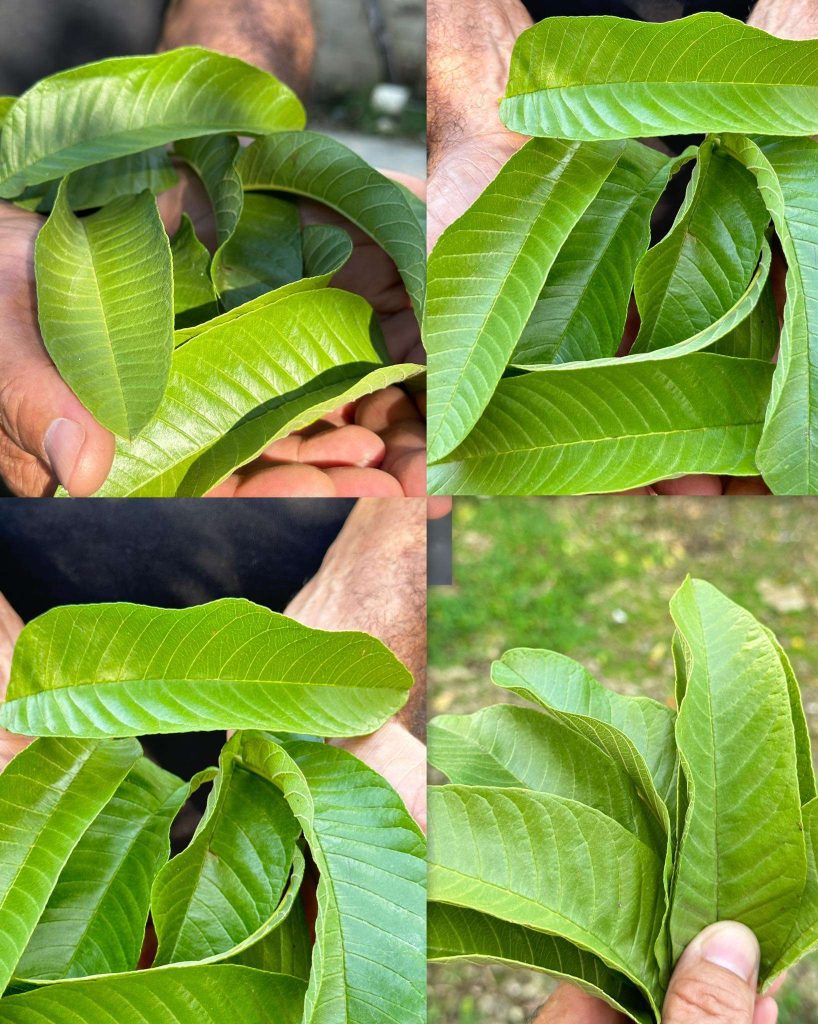
Introduction: Beyond the Fruit – Discovering the Power of Guava Leaves 🍃
 Espanol
When we think of the guava tree, our minds typically go straight to its delicious, vitamin C-rich fruit. However, there's a hidden treasure often overlooked: its leaves. For centuries, guava leaves have been a cornerstone in traditional medicine across tropical regions, and modern science is now catching up to validate their remarkable health benefits. This article will delve deep into the practical advantages of incorporating guava leaves into your wellness routine. From blood sugar management to glowing skin, we will explore the compelling reasons why this humble leaf deserves a spot in your pantry. Let's unlock the potential of nature's versatile remedy.
Espanol
Nutritional Powerhouse: What's Inside the Leaf? 🔬
Guava leaves are packed with a potent blend of bioactive compounds. They are exceptionally rich in antioxidants like flavonoids (particularly quercetin) and polyphenols, which combat oxidative stress and inflammation in the body. They also contain valuable anti-inflammatory agents, antibacterial compounds, and essential vitamins such as Vitamin C and B vitamins. Furthermore, they offer a good amount of dietary fiber. This unique composition is the foundation for their wide-ranging therapeutic effects, making them more than just a simple leaf.
Blood Sugar Regulation: A Natural Support System 📉
One of the most celebrated benefits of guava leaf tea is its potential to help regulate blood sugar levels. Studies suggest that compounds in the leaves inhibit the absorption of certain types of sugars in the bloodstream, such as sucrose and maltose. Drinking guava leaf tea after meals may help prevent blood sugar spikes. While it is not a substitute for prescribed diabetes medication, it can be an excellent complementary natural support. Always consult with your healthcare provider before using it for this purpose. 🩺
Digestive Health: Soothing the Gut 🌿
Guava leaves have been traditionally used to alleviate various digestive issues. Their anti-inflammatory and antimicrobial properties can help soothe the stomach lining and combat harmful bacteria that cause diarrhea and food poisoning. For an upset stomach, drinking a warm cup of guava leaf tea can provide relief from cramps and bloating. The leaves also possess mild laxative properties that can aid in relieving constipation, promoting overall digestive harmony and regularity.
Heart Health Booster: Supporting Your Cardiovascular System ❤️
The benefits of guava leaves extend to the heart. By helping to lower "bad" LDL cholesterol and triglycerides, thanks to their rich antioxidant profile, they contribute to a healthier lipid profile. Additionally, the leaves contain potassium, which helps in managing blood pressure. The combination of these effects supports improved circulation and reduces strain on the cardiovascular system, making guava leaf tea a heart-friendly beverage choice.
Skin and Hair Elixir: For External Beauty ✨
Don't just drink it—apply it! The antibacterial and anti-inflammatory qualities of guava leaves make them fantastic for topical use. A cooled guava leaf tea rinse or paste can combat acne, reduce skin inflammation, and delay signs of aging. For hair, it can strengthen roots, combat dandruff, and promote healthy growth. Applying a guava leaf decoction to your scalp can invigorate hair follicles. It’s a simple, cost-effective addition to your natural beauty regimen.
Weight Management Aid: Curbing Cravings ⚖️
Guava leaf tea can be a valuable ally in weight management journeys. It works by preventing complex starches from being converted into sugars, which the body would otherwise store as fat. Furthermore, the lack of caffeine and its soothing properties make it an excellent, calorie-free beverage to enjoy throughout the day, potentially helping to reduce cravings and increase a feeling of fullness. Pairing it with a balanced diet and exercise enhances its supportive role.
How to Use Guava Leaves: Practical Tips and Recipes 🍵
Incorporating guava leaves into your life is straightforward. The most common method is to make a simple tea:
- Wash 5-10 fresh, organic guava leaves (or use 1 tablespoon of dried leaves).
- Boil them in about 2 cups of water for 10-15 minutes.
- Strain the liquid and enjoy it warm or cold. You can add a touch of honey or lemon for flavor.
For skin and hair, allow the tea to cool completely before using it as a rinse or applying it with a cotton pad. You can also find guava leaf extract in supplement form, but it's crucial to choose reputable brands and follow dosage instructions.
Important Precautions and Considerations ⚠️
While guava leaves are generally safe for most people, certain precautions are necessary. Pregnant and breastfeeding women should consult a doctor before use. Due to its effects on blood sugar, those with diabetes or scheduled for surgery should monitor their levels closely and inform their physician. Always start with small amounts to see how your body reacts. Remember, natural remedies complement but do not replace professional medical advice or treatment.
Conclusion: Embracing a Leaf of Life 🌱
From supporting metabolic health to enhancing natural beauty, guava leaves offer a remarkable array of benefits backed by both tradition and emerging science. This versatile, natural remedy provides a simple way to proactively support your well-being. We've explored how it can aid digestion, help manage blood sugar, promote heart health, and serve as a skin and hair treatment. The key takeaway is that incorporating guava leaf tea into a balanced lifestyle can be a simple yet powerful step toward holistic health. Why not brew your first cup today and experience the gentle power of this wonderful leaf? Your journey toward harnessing nature's pharmacy starts with a single leaf.
Deja una respuesta