Benefits of Guava Leaves
 Espanol
Espanol
Espanol
Have you ever walked past a guava tree and admired its fruit, unaware that its vibrant green leaves hold a treasure trove of wellness secrets? 🌿 Often overshadowed by the sweet, pulpy fruit, guava leaves are a powerhouse of nutrients and bioactive compounds traditionally used in various medicinal practices. This article delves deep into the science-backed and traditional benefits of guava leaves, transforming this common foliage from garden waste into a cornerstone of natural health. Get ready to discover practical ways to harness their potential for a healthier you.
Beyond the Fruit: An Introduction to Guava Leaf Power
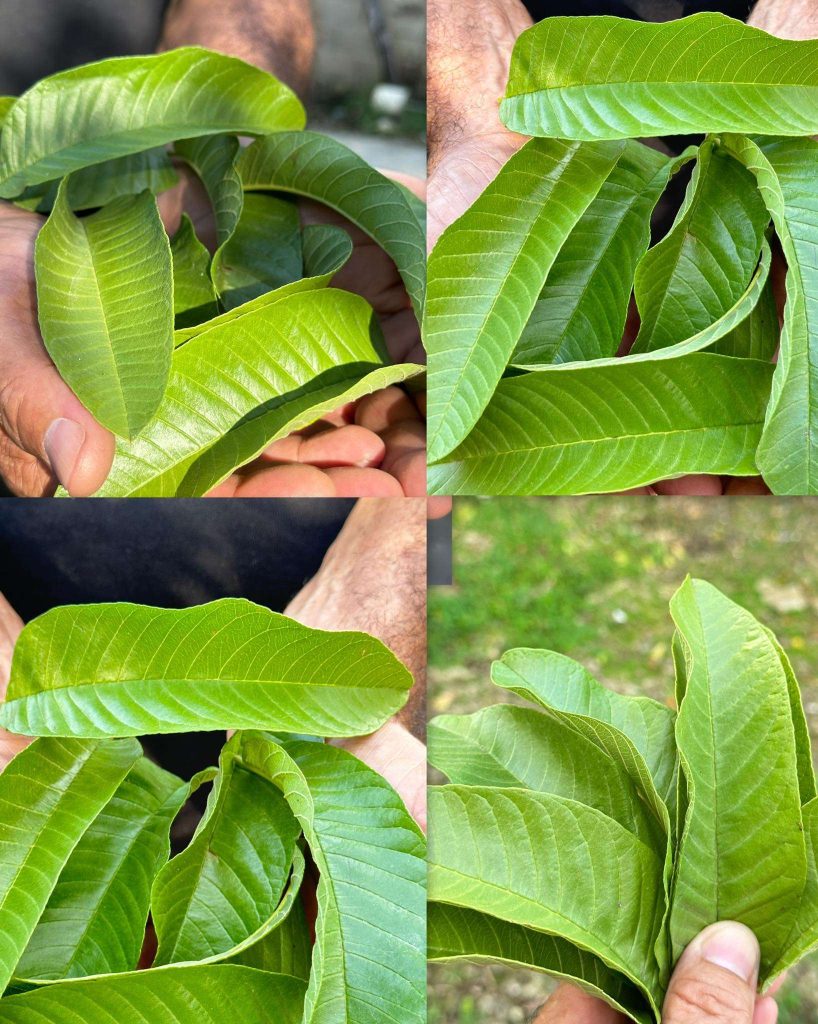
Guava (Psidium guajava) is celebrated globally for its delicious fruit, but its leaves are the unsung heroes. Packed with antioxidants like quercetin, flavonoids, and essential vitamins (notably Vitamin C and A), these leaves possess potent anti-inflammatory, antimicrobial, and therapeutic properties. For centuries, they've been a staple in folk medicine across Asia, Africa, and South America. Today, modern research is catching up, validating many of these traditional uses. Let's explore the key areas where guava leaves can make a significant impact on your well-being. 🍃
Managing Blood Sugar Levels
One of the most well-researched benefits of guava leaves is their positive effect on blood glucose control. Compounds in the leaves inhibit the absorption of certain types of sugars in the intestine, such as maltose and sucrose. Furthermore, they improve insulin sensitivity and help regulate blood sugar levels after meals. For a practical approach, consider drinking guava leaf tea regularly. To make it, simply steep 5-6 fresh or dried leaves in hot water for about 10 minutes. Studies suggest this can be a beneficial complementary habit for those managing prediabetes or type 2 diabetes, though it should not replace prescribed medication. Always consult your doctor first. ⚕️
Boosting Digestive Health
Struggling with an upset stomach, diarrhea, or indigestion? Guava leaf tea might be your natural remedy. The leaves have strong antimicrobial and anti-spasmodic properties that can help combat harmful gut bacteria (like Salmonella and E. coli) while soothing intestinal cramps. Their anti-inflammatory nature also helps reduce symptoms of gastritis and gastric ulcers. For acute digestive discomfort, a cup of warm guava leaf tea can provide gentle, natural relief. It acts as a digestive tonic, promoting better gut health and function overall. 🤢➡️😊
Enhancing Skin Health and Radiance
Your skin can greatly benefit from both internal and external use of guava leaves. Their high antioxidant content fights free radicals, which are responsible for premature aging and wrinkles. The antibacterial and anti-inflammatory compounds are excellent for treating acne, reducing redness, and preventing infections. Create a simple, effective facial toner by boiling a handful of leaves, cooling the water, and applying it to your face with a cotton pad. For a treat, crush fresh leaves into a paste with a little water and use it as a clarifying face mask. The results? Clearer, more radiant skin. ✨
Supporting Heart Health and Weight Management
Guava leaves contribute to cardiovascular wellness in multiple ways. They help lower "bad" LDL cholesterol and triglycerides while potentially raising "good" HDL cholesterol. The leaves also contain potassium, which helps regulate blood pressure. Additionally, by preventing the rapid breakdown of complex carbohydrates into sugars, they can aid in weight management efforts by reducing sugar spikes and cravings. Incorporating guava leaf tea into a balanced diet and exercise routine can support your heart and weight goals holistically. ❤️
Practical Tips: How to Use Guava Leaves at Home
Harnessing these benefits is simple and cost-effective. Here’s how you can integrate them into your routine:
- Tea/Infusion: The most common method. Use fresh (washed) or dried leaves. Steep in hot water for 5-10 minutes. Add honey or lemon for taste.
- Topical Application: Use cooled leaf-infused water as a rinse for hair (to combat dandruff) or skin, or apply the crushed leaf paste directly on wounds or acne.
- Powder: Dried leaves can be ground into a fine powder and added to smoothies, juices, or even face masks.
Remember, source organic, pesticide-free leaves whenever possible, whether from your own tree or a trusted supplier. 🏡
Conclusion: A Leaf of Great Value
From stabilizing blood sugar to nurturing your skin and heart, the humble guava leaf proves that true wellness often lies in nature's simplest offerings. 🌍 Its wide range of applications—as a therapeutic tea, a topical treatment, or a dietary supplement—makes it a remarkably versatile ally for natural health. While it is generally safe for most people, it's crucial to start with small amounts to see how your body reacts and consult a healthcare professional, especially if you are pregnant, nursing, or on medication. We hope this guide inspires you to look at the guava tree with new appreciation and explore the profound benefits hidden in its leaves. Here's to discovering nature's pharmacy, one leaf at a time! 🥂
Deja una respuesta