Benefits of Guava Leaves
 Espanol
Espanol
Beyond the Fruit: Unveiling the Remarkable Power of Guava Leaves 🍃✨
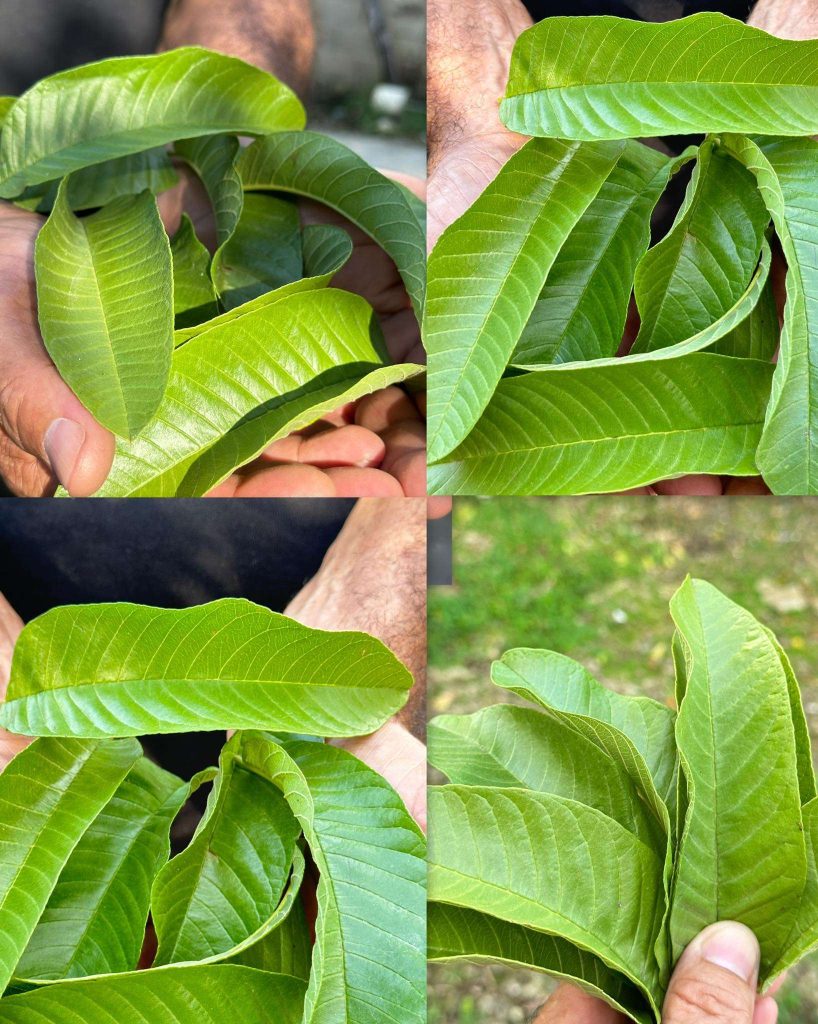
When we think of the guava tree, our minds often jump directly to its sweet, aromatic fruit. However, hidden in plain sight on its branches lies a true treasure of natural wellness: the humble guava leaf. 🌿 For centuries, these unassuming leaves have been a cornerstone in traditional medicine systems across the tropics, from Ayurveda in India to folk practices in South America and Africa. Modern science is now catching up, validating what ancient healers have long known. This article delves deep into the impressive health benefits of guava leaves, offering a comprehensive guide on how to harness their power for your well-being. We'll explore their nutritional profile, practical uses, and important considerations, transforming you from a casual observer into an informed advocate of this green marvel.
Nutritional Profile: A Closer Look at the Leaf's Composition 🔬
Guava leaves are a dense repository of bioactive compounds. They are exceptionally rich in powerful antioxidants like quercetin, catechin, and isoflavonoids, which combat oxidative stress and cellular damage in the body. Furthermore, they are packed with anti-inflammatory flavonoids and essential oils. The leaves also contain significant amounts of vitamin C, although less than the fruit, and beneficial tannins that contribute to their therapeutic properties. This potent combination is the foundation for the wide array of health benefits they offer, making them far more than just tree foliage.
Top Health Benefits of Guava Leaves: Science Meets Tradition 💚
The applications of guava leaves are diverse, impacting several key areas of health. Here is a detailed exploration of their most celebrated benefits:
1. Blood Sugar Regulation: 🩸 One of the most researched benefits is their positive effect on blood glucose levels. Compounds in the leaves inhibit the absorption of certain types of sugars in the intestine (like maltose and sucrose) and improve insulin sensitivity. For individuals managing blood sugar, incorporating guava leaf tea can be a supportive, natural practice. Several studies suggest that drinking guava leaf tea after meals may help prevent spikes in blood sugar.
2. Digestive Health Champion: 🫖 Guava leaves possess strong antibacterial and anti-inflammatory properties that can soothe the digestive tract. They are particularly effective against common gut pathogens. A warm cup of guava leaf tea can alleviate symptoms of diarrhea, reduce stomach pain, and decrease the duration of gastrointestinal distress. The tannins have a mild astringent effect, which can help firm up stools.
3. Heart Health Support: ❤️ The leaves contribute to cardiovascular wellness in multiple ways. The antioxidants help protect the heart from oxidative damage, while other compounds may help lower "bad" LDL cholesterol and triglycerides. Additionally, their potential to lower blood pressure and improve blood flow makes them a valuable ally for maintaining a healthy heart. Supporting your heart health can be as simple as swapping your afternoon coffee for guava leaf tea a few times a week.
4. Skin and Hair Savior: ✨ Applied topically, guava leaf extract is a boon for beauty. Its antimicrobial and anti-inflammatory qualities make it excellent for treating acne, reducing redness, and speeding up wound healing. A simple cooled tea rinse can serve as a toner. For hair, it's believed to strengthen follicles, combat dandruff, and may even help slow hair loss when used consistently as a rinse.
5. Immune System Boost & Pain Relief: 🛡️ Thanks to their high vitamin C content and immune-boosting properties, the leaves can help fortify your body's natural defenses. Their analgesic (pain-relieving) effect is also notable; a tea or poultice made from the leaves can provide relief from toothaches, sore gums (often used as a mouthwash for gingivitis), and minor aches.
How to Use Guava Leaves: Practical Methods and Recipes 🍵
To reap these benefits, you need to know how to prepare guava leaves correctly. The most common and versatile method is by making an infusion or tea.
Simple Guava Leaf Tea Recipe:
- Rinse 5-10 fresh, organic guava leaves (or use 1 tablespoon of dried leaves).
- Gently crush the leaves to help release their compounds.
- Boil them in about 2 cups (500ml) of water for 10-15 minutes.
- Strain the liquid into a cup. You can enjoy it warm or let it cool.
- For flavor, add a slice of ginger, a dash of honey, or a cinnamon stick. 🍯
You can drink 1-3 cups daily, preferably after meals for digestive and blood sugar benefits. For topical use, allow the tea to cool completely before applying it to the skin or hair with a cotton pad or as a final rinse.
Important Precautions and Final Thoughts ⚠️
While guava leaves are generally safe for most people, caution is advised. If you are pregnant, breastfeeding, have a chronic health condition, or are on medication (especially for diabetes or blood thinning), consult your healthcare provider before regular use. The hypoglycemic effects are potent, so monitoring blood sugar is crucial for diabetics to avoid it dropping too low. Start with small amounts to see how your body reacts.
Conclusion: Embracing a Leaf of Life
In summary, guava leaves are a phenomenal, often-overlooked gift from nature. From regulating blood sugar and aiding digestion to promoting radiant skin and supporting a healthy heart, their benefits are both broad and profound. 🌿 This humble leaf embodies the principle that true wellness often comes from the simplest, most natural sources. By integrating guava leaf tea into your routine or using it topically, you are tapping into an ancient wisdom supported by modern science. We encourage you to explore this natural remedy, always paying attention to your body's signals and seeking professional advice when needed. Discover the power that lies beyond the fruit, in the vibrant green leaves of the guava tree. 🌳✨
Deja una respuesta