Benefits of Guava Leaves
 Espanol
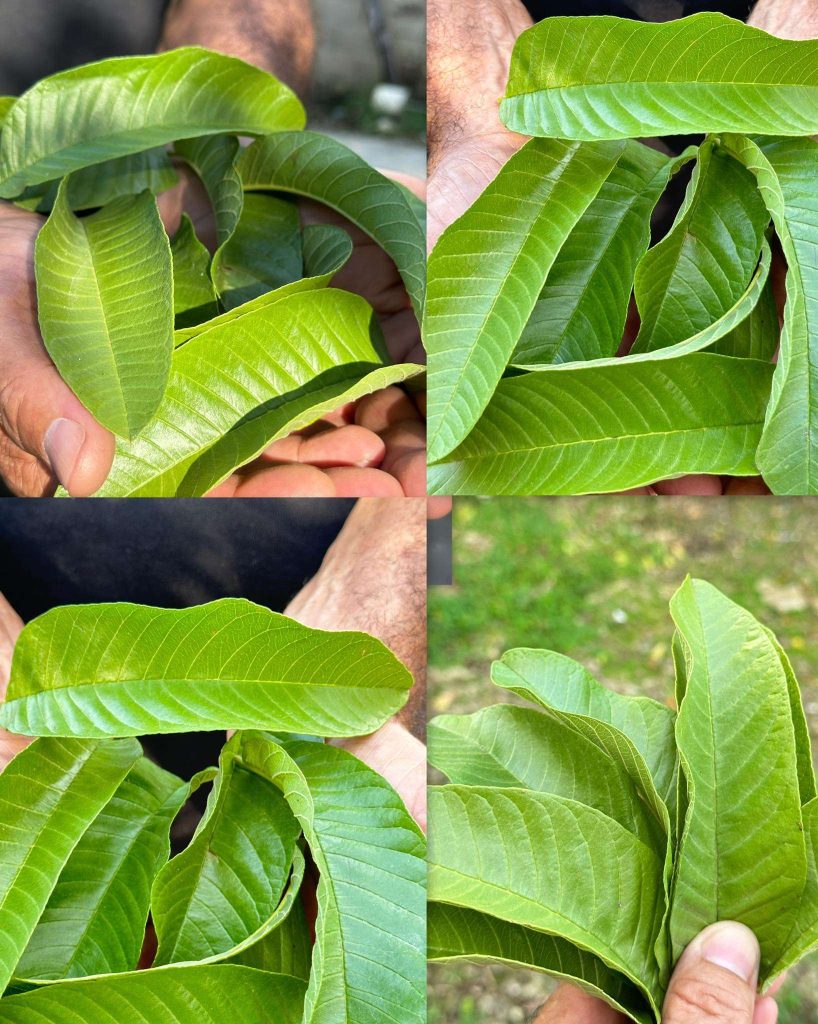
Welcome to a deep dive into the incredible world of the guava tree (Psidium guajava). While its sweet, fragrant fruit is widely enjoyed 🍈, the true hidden gems are often overlooked: its leaves. 🌿 For centuries, these humble leaves have been a cornerstone in traditional medicine across tropical and subtropical regions, and modern science is now catching up, validating their numerous health-promoting properties. This article will explore the multifaceted benefits of guava leaves, moving beyond superficial mentions to provide you with practical, evidence-backed insights you can incorporate into your wellness routine.
Espanol
Beyond the Fruit: An Introduction to Guava Leaf Power
Often discarded, guava leaves are packed with a potent blend of bioactive compounds, including flavonoids (like quercetin), carotenoids, polyphenols, and essential oils. These compounds are responsible for the leaves' potent antioxidant, anti-inflammatory, antimicrobial, and antidiabetic effects. Unlike the fruit, the leaves offer a unique, slightly bitter profile that makes them ideal for therapeutic teas and extracts. Let's unpack their specific benefits, one powerful property at a time.
Unlocking the Health Benefits: A Closer Look
The advantages of incorporating guava leaves into your health regimen are vast and varied. Here, we break down the most significant, science-supported benefits.
🍃 Digestive Health and Gut Relief
Guava leaves are renowned for their positive impact on the digestive system. They possess strong antimicrobial properties that can help combat harmful bacteria like Staphylococcus aureus and E. coli in the gut, potentially reducing foodborne illnesses. More commonly, a warm tea made from guava leaves is an excellent remedy for stomach upsets, diarrhea, and dysentery. The key is their ability to inhibit bacterial growth while reducing intestinal inflammation and slowing down excessive fluid secretion. For a practical tip, drinking a cup of guava leaf tea after meals can aid digestion and soothe discomfort. 💧
🩸 Blood Sugar Regulation and Diabetes Management
This is one of the most celebrated benefits. Research indicates that guava leaf extract can help improve insulin resistance and lower blood sugar levels. The compounds in the leaves inhibit the absorption of certain types of sugars (like maltose and sucrose) in the intestine and improve glucose uptake in the cells. Consuming guava leaf tea, especially without sugar, may be a beneficial complementary practice for those managing type 2 diabetes or prediabetes. However, it is crucial to consult with a healthcare provider before using it as part of a treatment plan. 📊
❤️ Cardiovascular Support and Cholesterol Control
Your heart may thank you for adding guava leaves to your diet. The high levels of potassium and soluble fiber contribute to cardiovascular health. The leaves can help lower "bad" LDL cholesterol and triglycerides while raising "good" HDL cholesterol. Furthermore, their antihypertensive properties may aid in managing blood pressure. The antioxidant effect also protects the heart from oxidative stress. Think of guava leaf tea as a heart-friendly beverage that supports overall circulatory health. 🫀
🛡️ Immunity Boost and Antioxidant Powerhouse
Guava leaves are loaded with vitamin C and flavonoids, particularly quercetin, which are powerful antioxidants. These compounds neutralize free radicals—unstable molecules that cause cellular damage and contribute to aging and chronic diseases. By reducing oxidative stress, guava leaves strengthen the body's immune defense system, making you more resilient against common infections like colds and the flu. Regular consumption can be a simple, natural strategy to fortify your body's natural defenses. 🛡️
✨ Skin and Hair Health: External Applications
The benefits aren't only internal. Crushed guava leaves or a cooled tea can be applied topically to treat various skin issues. Their antimicrobial and anti-inflammatory properties make them effective against acne, dark spots, and skin allergies. They can also soothe itching and speed up the healing of wounds and minor cuts. For hair, a guava leaf rinse is traditionally used to combat hair loss and dandruff, promoting a healthier scalp and stronger hair follicles. It's a versatile, natural addition to your skincare and haircare arsenal. 💆♀️
📝 Practical Ways to Use Guava Leaves
Knowing the benefits is one thing; applying them is another. Here are simple, effective methods:
- Guava Leaf Tea: The most common method. Steep 5-10 fresh or dried leaves in hot water for 5-10 minutes. Strain and enjoy. You can add a dash of honey or lemon for taste, but avoid sugar to maximize benefits.
- Topical Paste/Toner: Crush fresh leaves into a paste and apply directly to affected skin, or brew a strong tea, let it cool, and use it as a facial toner with a cotton pad.
- Supplemental Extract: Guava leaf extract is available in capsule or liquid form. Always choose reputable brands and follow dosage instructions, preferably under medical guidance.
Remember, sourcing is important. Use leaves from trees not treated with pesticides, or purchase organic dried leaves from trusted suppliers. 🌿
Conclusion: Embracing Nature's Pharmacy
In summary, guava leaves are far more than just tree foliage; they are a potent, natural remedy with a wide spectrum of proven health benefits. From supporting digestive and heart health to regulating blood sugar and enhancing skin beauty, this readily available resource is a testament to the power of traditional wisdom backed by modern science. While they are generally safe, it's wise to start with small amounts, especially if you have underlying health conditions or are pregnant. We encourage you to explore incorporating guava leaf tea into your daily routine as a simple step toward holistic well-being. Nature often provides the best solutions, and the guava leaf is a shining example of that principle. ✨
Deja una respuesta