Benefits of Guava Leaves
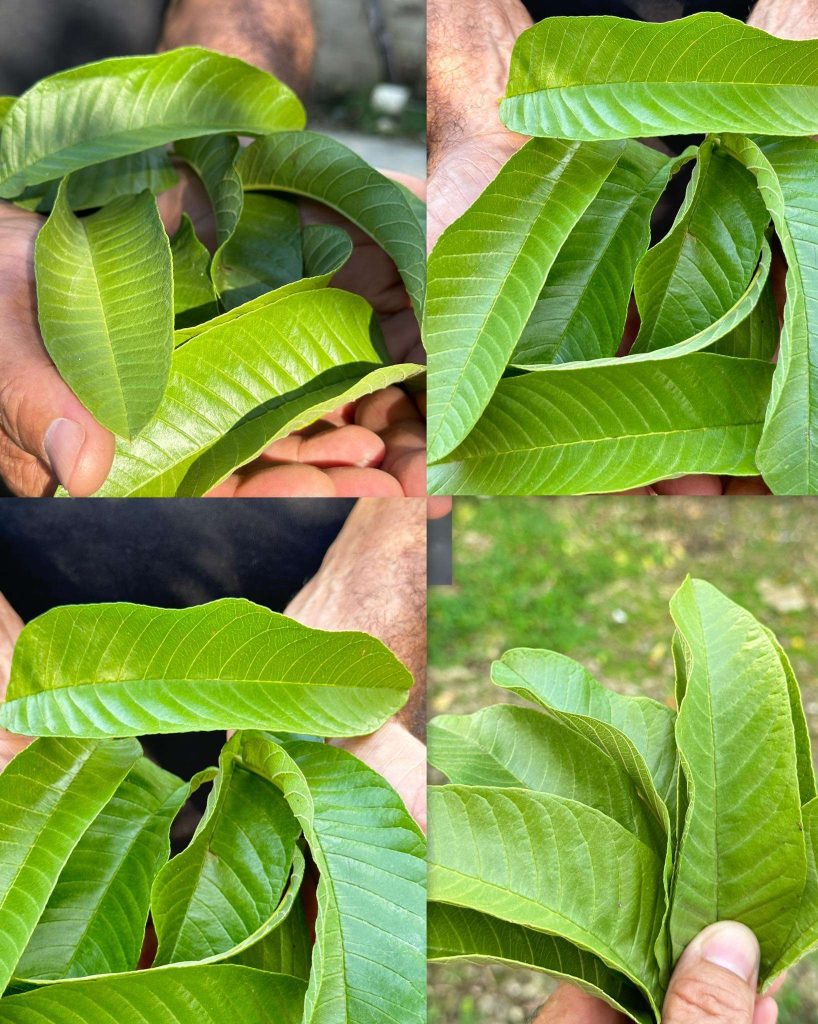
 Espanol
Espanol
Introduction: Unlocking Nature's Pharmacy 🍃
Often overshadowed by the sweet, fragrant fruit it bears, the guava leaf is a powerhouse of wellness waiting to be discovered. While the guava fruit enjoys global fame, its leaves have been a cornerstone of traditional medicine across various cultures for centuries. Today, modern science is beginning to validate what herbalists have long known: these simple, green leaves are packed with potent bioactive compounds. This article delves deep into the remarkable health and wellness benefits of guava leaves, moving beyond superficial claims to provide you with practical, evidence-backed insights. From aiding digestion to managing blood sugar, we will explore how incorporating this natural remedy can enhance your daily health regimen.
Nutritional Profile: The Science Behind the Leaf 🔬
To understand the benefits, we must first look at what makes guava leaves so special. They are rich in antioxidants like flavonoids (particularly quercetin) and carotenoids, as well as anti-inflammatory compounds such as tannins. They contain essential vitamins like Vitamin C and B-complex vitamins, and minerals including potassium and iron. However, the star components are their powerful polyphenols and flavonoids, which are responsible for most of their therapeutic effects. This dense concentration of beneficial compounds acts synergistically, making the leaf more than just a simple plant part—it's a concentrated natural supplement.
Digestive Health: Soothing Your Gut Naturally 🤰
One of the most celebrated traditional uses of guava leaf is for gastrointestinal issues. The leaves possess strong antimicrobial and anti-inflammatory properties that can help combat harmful gut bacteria like E. coli and Staphylococcus aureus, while soothing the intestinal lining. For those suffering from diarrhea, dysentery, or food poisoning, a warm tea made from guava leaves can provide significant relief by reducing the frequency of stools and abdominal pain. Practical Tip: Steep 5-6 fresh, washed leaves in a cup of boiling water for 10 minutes. Strain and drink this tea once or twice daily until symptoms subside. The tannins act as an astringent, tightening and protecting gut tissues.
Blood Sugar Regulation: A Natural Aid for Management 🩸
Emerging research points to guava leaf tea as a promising adjunct for managing type 2 diabetes and insulin resistance. Studies suggest that compounds in the leaves inhibit the absorption of certain types of sugars (like maltose and sucrose) in the intestine and improve insulin sensitivity. While it is not a replacement for prescribed medication, regular consumption may help in maintaining healthier blood glucose levels. For the best results, consider drinking a cup of unsweetened guava leaf tea after meals. Always consult with your healthcare provider before making any changes to your diabetes management plan.
Heart Health: Supporting Your Cardiovascular System ❤️
The benefits extend to your heart as well. The antioxidants in guava leaves help protect the heart from oxidative stress, while the potassium content aids in regulating blood pressure by counteracting the effects of sodium. Furthermore, some animal studies indicate that guava leaf extract can help lower "bad" LDL cholesterol and triglycerides, reducing a major risk factor for atherosclerosis. Incorporating the tea into a balanced, heart-healthy lifestyle that includes exercise and a proper diet can offer compounded benefits for long-term cardiovascular wellness.
Skin and Hair Benefits: External Beauty Applications ✨
Your wellness journey isn't complete without considering external benefits. The antiseptic and anti-inflammatory qualities of guava leaves make them excellent for skin care. A cooled leaf decoction can be used as a facial toner to combat acne, reduce redness, and tighten pores. For hair health, boiling a handful of leaves into a potent rinse can strengthen hair follicles, reduce dandruff, and promote shine. Practical Tip: Create a simple face mask by grinding fresh leaves with a little water and applying the paste to affected areas for 10-15 minutes before rinsing. The vitamin C also boosts collagen production, promoting skin elasticity.
Weight Management and Metabolism 🌿
For those on a weight management journey, guava leaves can be a helpful ally. The tea contains no significant calories and can prevent the conversion of complex carbohydrates into usable sugars. This mechanism can potentially slow down the formation of fat stores in the body. Moreover, replacing sugary beverages with this herbal tea reduces overall calorie intake. Drinking it warm can also promote a feeling of fullness, aiding in portion control during meals. Remember, it's most effective when combined with a consistent diet and regular physical activity.
Cognitive Function and Stress Relief 🧠
The modern world demands mental sharpness and resilience. The antioxidants in guava leaves, especially quercetin, may have neuroprotective effects, helping to shield brain cells from damage. While research is ongoing, traditional use includes alleviating anxiety and promoting relaxation. The simple act of preparing and sipping a warm, caffeine-free tea can be a mindful ritual that reduces stress levels. The B-vitamins present also play a role in supporting cognitive function and nerve health, making it a holistic brew for mental well-being.
How to Use Guava Leaves: Practical Preparation Methods ☕
To reap these benefits, knowing how to prepare guava leaves correctly is key. You can use fresh, organic leaves or dried leaves, which are often available in health food stores.
- For Tea (Infusion): Use 3-6 fresh leaves or 1 tablespoon of dried leaves per cup. Crush fresh leaves slightly to release oils. Pour boiling water over them, cover, and steep for 5-10 minutes. Strain and enjoy. You can add a dash of lemon or honey for flavor, but avoid sugar to maximize health benefits.
- For Topical Use: Boil a large handful of leaves in 1 liter of water for 15-20 minutes. Let it cool completely before using it as a skin toner, hair rinse, or adding it to your bath.
- As a Supplement: Guava leaf extract is available in capsule or tincture form. Always follow the manufacturer's dosage instructions or a healthcare professional's advice.
Important Safety Note: While generally safe for most people, pregnant or breastfeeding women and individuals on medication (especially for diabetes or blood thinning) should consult a doctor before regular use. Start with small amounts to check for any allergic reactions.
Conclusion: Embracing a Leaf of Life 🌱
In summary, the humble guava leaf is far more than just tree foliage; it is a versatile and accessible natural resource with profound health implications. From fortifying your digestive and cardiovascular systems to beautifying your skin and aiding metabolic functions, its applications are both broad and deeply rooted in emerging science. We have explored how its rich composition of antioxidants, vitamins, and anti-inflammatory agents works synergistically to deliver these benefits. By incorporating guava leaf tea or extracts into your routine responsibly and consistently, you can tap into an ancient, yet scientifically relevant, tradition of natural healing. Let this guide inspire you to look beyond the fruit and discover the potent wellness waiting in the leaves of the common guava tree. Your journey to enhanced well-being might just be a leaf-infused cup away.
Deja una respuesta