Benefits of Guava Leaves
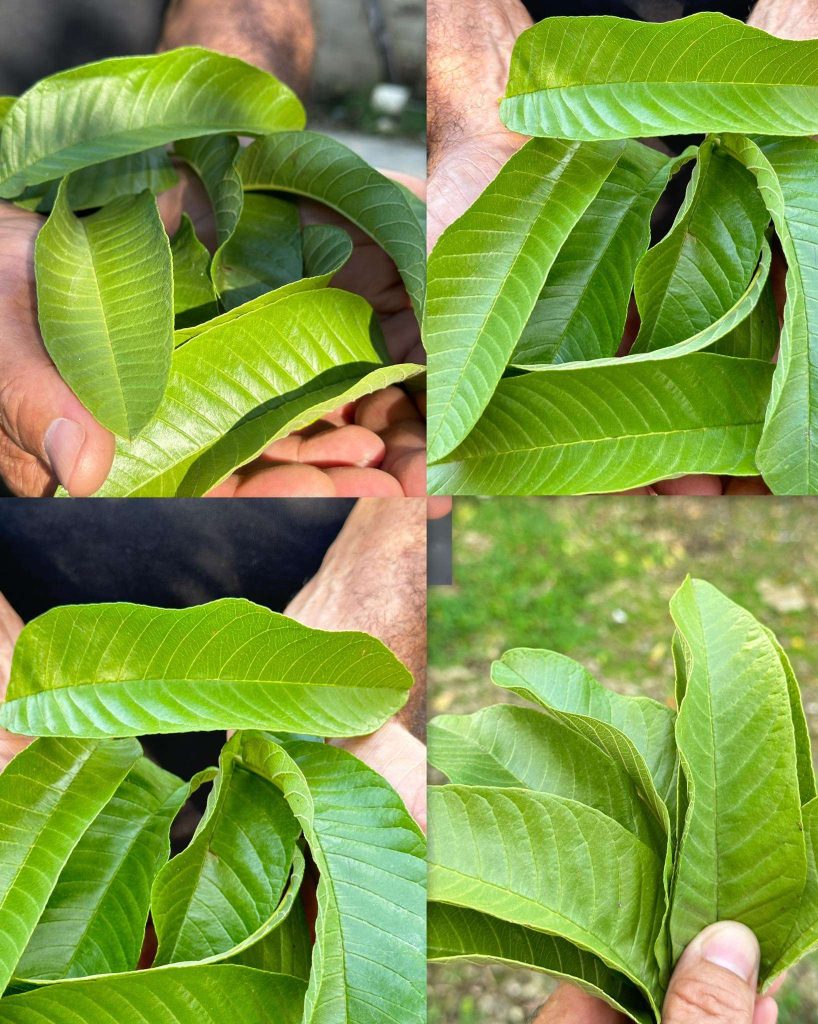
Introduction: Unveiling the Humble Powerhouse 🍃
 Espanol
Often overshadowed by its sweet, tangy fruit, the guava tree (Psidium guajava) holds a secret in its verdant canopy. Its leaves are a treasure trove of bioactive compounds, offering a remarkable spectrum of health benefits that have been revered in traditional medicine for centuries. Modern science is now catching up, validating what many cultures have long known. This article delves deep into the science-backed benefits of guava leaves, transforming them from simple foliage into a potent ally for your well-being. We'll explore their practical applications and provide clear guidance on how you can harness their potential safely and effectively.
Espanol
A Deep Dive into the Nutritional & Medicinal Profile 🔬
Guava leaves are rich in powerful antioxidants like flavonoids (particularly quercetin), carotenoids, and polyphenols. They are also an excellent source of vitamin C and contain beneficial compounds such as tannins, saponins, and essential oils. This unique composition is responsible for their wide-ranging therapeutic properties, including anti-inflammatory, antimicrobial, antidiabetic, and antispasmodic effects. Unlike the fruit, the leaves are low in sugar, making their benefits accessible without impacting blood glucose levels negatively.
Key Health Benefits of Guava Leaves Explored
Let's unpack the specific, evidence-based advantages of incorporating guava leaves into your wellness routine.
1. Blood Sugar Regulation & Diabetes Management 📉
One of the most celebrated benefits is their positive impact on blood glucose control. Compounds in the leaves inhibit the absorption of certain types of sugars (like maltose and sucrose) in the intestine and improve insulin sensitivity. Regular consumption of guava leaf tea may help in managing Type 2 diabetes and preventing blood sugar spikes after meals. It's a supportive, natural approach that should complement, not replace, medical advice and prescribed treatment. 🩺
2. Digestive Health & Relief from Discomfort 🤢➡️😌
The anti-inflammatory and antimicrobial properties of guava leaves make them excellent for gut health. They can help soothe symptoms of diarrhea, dysentery, and food poisoning by inhibiting harmful gut bacteria like Staphylococcus aureus. The leaves' tannins have an astringent effect, which can reduce intestinal inflammation and mucus secretion. Drinking warm guava leaf tea is a time-tested remedy for calming an upset stomach and promoting healthy digestion.
3. Heart Health and Cholesterol Support ❤️
By helping to regulate blood pressure and improving lipid profiles, guava leaves contribute to cardiovascular health. The antioxidants help prevent the oxidation of LDL ("bad") cholesterol, a key step in the formation of arterial plaque. Furthermore, the leaves' potassium content aids in managing blood pressure. Including guava leaf extract or tea as part of a heart-healthy lifestyle can be a simple, proactive step.
4. Weight Management Aid ⚖️
Guava leaves can support weight loss efforts by preventing the conversion of complex carbohydrates into usable sugars. When these sugars aren't absorbed, the body is forced to burn stored fat for energy. The leaves also have no cholesterol and very few digestible carbohydrates, making the tea a virtually calorie-free, nutritious beverage that can complement a balanced diet and exercise regimen.
5. Skin & Hair Vitality ✨
Applied topically, guava leaf extract is a boon for skin and hair. Its antimicrobial and anti-inflammatory properties help treat acne, blackheads, and skin irritation. The high antioxidant content fights free radicals, slowing signs of aging. For hair, a leaf decoction can be used as a rinse to strengthen hair follicles, combat dandruff, and promote healthy growth. It's a natural, chemical-free addition to your beauty cabinet.
6. Immune System Boost & Oral Health 🛡️😁
The high vitamin C content and antimicrobial agents provide a robust defense against common pathogens. Chewing on fresh, clean guava leaves or using a mouth rinse made from them can alleviate toothache, heal mouth ulcers, and treat gingivitis due to their powerful anti-plaque and pain-relieving properties. It's nature's answer to maintaining a healthy, resilient mouth.
Practical Guide: How to Use Guava Leaves 🍵
To reap these benefits, here are the most common and effective methods:
- Tea/Infusion: The most popular method. Steep 5-10 fresh or dried leaves in hot water for 5-10 minutes. Strain and enjoy. You can add honey or lemon for taste.
- Topical Application: Crush fresh leaves into a paste for direct application on wounds, acne, or insect bites. For hair, boil a handful of leaves in water, cool, and use as a final rinse.
- Extract/Supplement: Commercially available extracts or capsules offer a concentrated dose. Always choose reputable brands and follow dosage instructions carefully.
Important Safety Note: While generally safe, consult your healthcare provider before regular consumption, especially if you are pregnant, breastfeeding, on medication (particularly for diabetes or blood thinners), or have scheduled surgery. 🌿⚠️
Conclusion: Embracing Nature's Pharmacy
From regulating blood sugar and aiding digestion to enhancing skin radiance and fortifying heart health, guava leaves prove that true power often lies in simplicity. This humble leaf is more than just tree foliage; it's a versatile, natural supplement with profound health-promoting qualities. By understanding its benefits and learning how to use it correctly—primarily as a tea or topical treatment—you can unlock a potent, plant-based tool for holistic wellness. We encourage you to explore its potential mindfully, respecting its potency and integrating it as a complementary part of a healthy lifestyle. Start with a cup of guava leaf tea and experience this gift from nature firsthand. 🌱
Deja una respuesta