Benefits of Guava Leaves
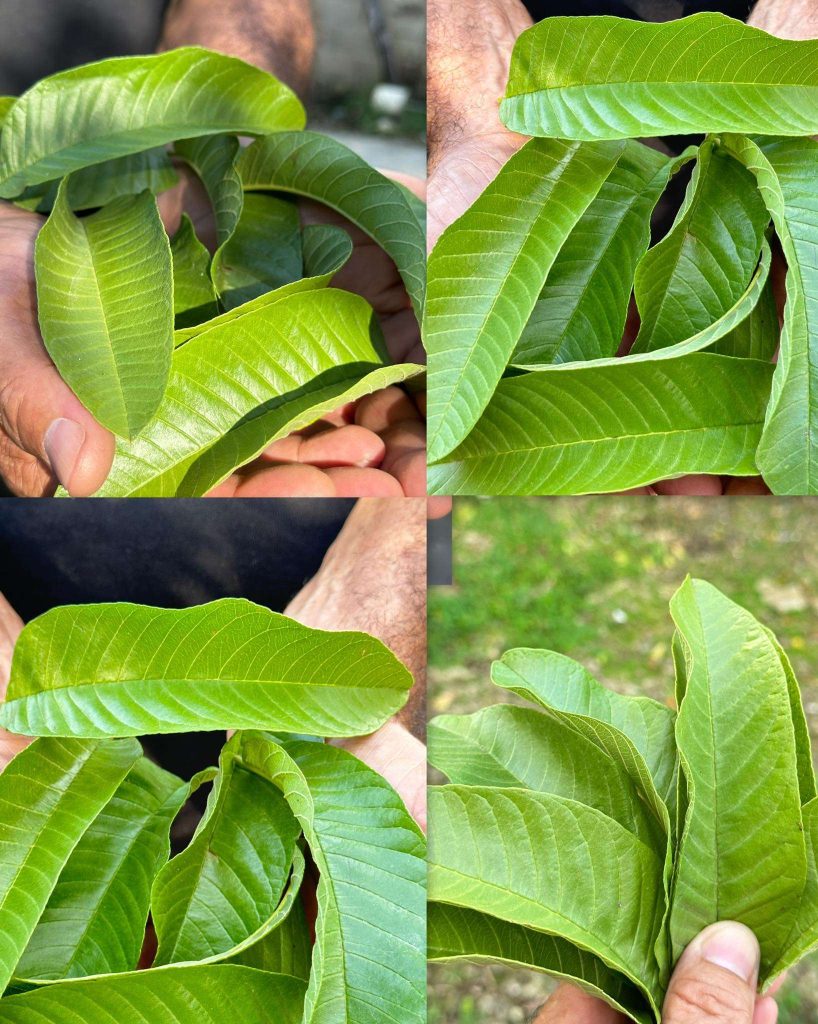
Unlocking Nature's Pharmacy: The Remarkable Benefits of Guava Leaves 🌿
 Espanol
Often overshadowed by its sweet, pink-fleshed fruit, the humble guava tree (Psidium guajava) holds a secret in its vibrant green foliage. For centuries, guava leaves have been a cornerstone in traditional medicine across tropical and subtropical regions, from Asia to the Americas. Today, modern science is beginning to validate what ancient healers long understood: these leaves are a powerhouse of bioactive compounds. This article delves deep into the proven and potential benefits of guava leaves, moving beyond superficial claims to provide you with a comprehensive, practical guide. We'll explore how this readily available natural resource can support your wellness journey, offering tips on how to harness its power safely and effectively.
Espanol
A Treasure Trove of Nutrients and Compounds 🧪
To appreciate the benefits, one must first understand what makes guava leaves so special. They are rich in powerful antioxidants like quercetin, flavonoids, and carotenoids, which combat oxidative stress and cellular damage. They also contain significant anti-inflammatory agents and essential vitamins, notably vitamin C and B vitamins. Furthermore, guava leaves possess potent antimicrobial and antibacterial properties, largely due to compounds like tannins and essential oils. This unique chemical profile is the foundation for its wide-ranging therapeutic applications, from metabolic health to skincare.
Key Health Benefits Explored
Let's break down the specific, evidence-backed advantages of incorporating guava leaves into your health regimen.
Blood Sugar Regulation 🩸
One of the most celebrated benefits is their positive effect on blood glucose levels. Studies suggest that guava leaf tea can inhibit certain enzymes that convert carbohydrates into glucose in the digestive tract, leading to a slower absorption of sugar. Drinking guava leaf tea after meals may help prevent blood sugar spikes. This makes it a valuable supportive tool for individuals managing insulin resistance or type 2 diabetes, though it should not replace prescribed medication.
Digestive Health & Weight Management 🤢⚖️
The leaves have long been used to address gastrointestinal woes. Their antimicrobial properties can help combat harmful bacteria like Staphylococcus aureus and E. coli, potentially easing food poisoning and bacterial diarrhea. The high fiber content and anti-inflammatory effects can also soothe the digestive tract, relieving symptoms of indigestion and bloating. As a low-calorie, nutrient-dense beverage, guava leaf tea can promote a feeling of fullness, aiding in weight management efforts when paired with a balanced diet.
Heart Health & Cholesterol Support ❤️
The dual action of antioxidants and potassium in guava leaves contributes to cardiovascular wellness. Antioxidants protect the heart from oxidative damage, while potassium helps regulate blood pressure by balancing sodium levels. Some research indicates that regular consumption of guava leaf extract may help lower "bad" LDL cholesterol and triglycerides, supporting healthier cholesterol profiles and reducing a key risk factor for heart disease.
Skin, Hair, and Oral Care ✨
Applied topically, guava leaf's anti-inflammatory and antimicrobial magic works wonders. A cooled tea rinse can combat acne-causing bacteria and reduce inflammation. Crushed leaves applied to minor wounds or insect bites may accelerate healing. For hair, a scalp rinse might help with dandruff and strengthen follicles due to its nutrient content. Chewing on young, clean leaves or using a leaf decoction as a mouthwash has traditionally been a method to fight bad breath, soothe gum inflammation, and alleviate toothache thanks to its astringent properties.
Practical Guide: How to Use Guava Leaves at Home 🏠
Harnessing these benefits is simple and cost-effective. Here’s how you can prepare and use guava leaves safely.
- Guava Leaf Tea: The most common method. Wash 5-10 fresh, organic leaves (or use 1 tbsp dried leaves). Boil them in 1 liter of water for 10-15 minutes. Strain and enjoy warm or cold. You can add honey, lemon, or ginger for flavor.
- Topical Applications: For skin or hair, prepare a stronger decoction by boiling a handful of leaves in water for 20 minutes. Let it cool completely before using it as a facial toner, acne spot treatment, or final hair rinse.
- Important Precautions: While generally safe, start with small amounts to ensure no allergic reaction. Pregnant or breastfeeding women and individuals on diabetes or blood-thinning medications should consult a doctor before regular use. Always source leaves from trees not treated with pesticides.
Conclusion: Embracing a Leaf of Great Promise
From regulating blood sugar to enhancing skin radiance, the benefits of guava leaves are a compelling testament to nature's ingenuity. 🌍 This unassuming leaf offers a holistic, accessible approach to complementing modern health practices. While not a miracle cure, its integration as a daily tea or topical treatment can be a simple yet powerful step toward natural wellness. We encourage you to explore its potential—brew a cup, observe how your body responds, and discover how this ancient remedy can find a place in your contemporary lifestyle. Remember, the most profound health solutions are often found not in a lab, but growing quietly in our backyards.
Deja una respuesta