Benefits of Guava Leaves
 Espanol
Espanol
The Hidden Gem in Your Backyard: Unveiling the Remarkable Benefits of Guava Leaves 🌿
When we think of the guava tree, our minds often jump directly to its delicious, vitamin C-rich fruit. However, a powerful secret lies in its often-overlooked foliage. Guava leaves are a treasure trove of health-promoting compounds that have been celebrated in traditional medicine for centuries and are now gaining recognition in modern wellness circles. This article will guide you through the scientifically-backed and practical benefits of guava leaves, transforming your perspective on this humble plant from a simple tree to a natural pharmacy. Let's dive into the world of benefits that these verdant leaves have to offer.
Nutritional Powerhouse: What's Inside the Leaf? 🔬
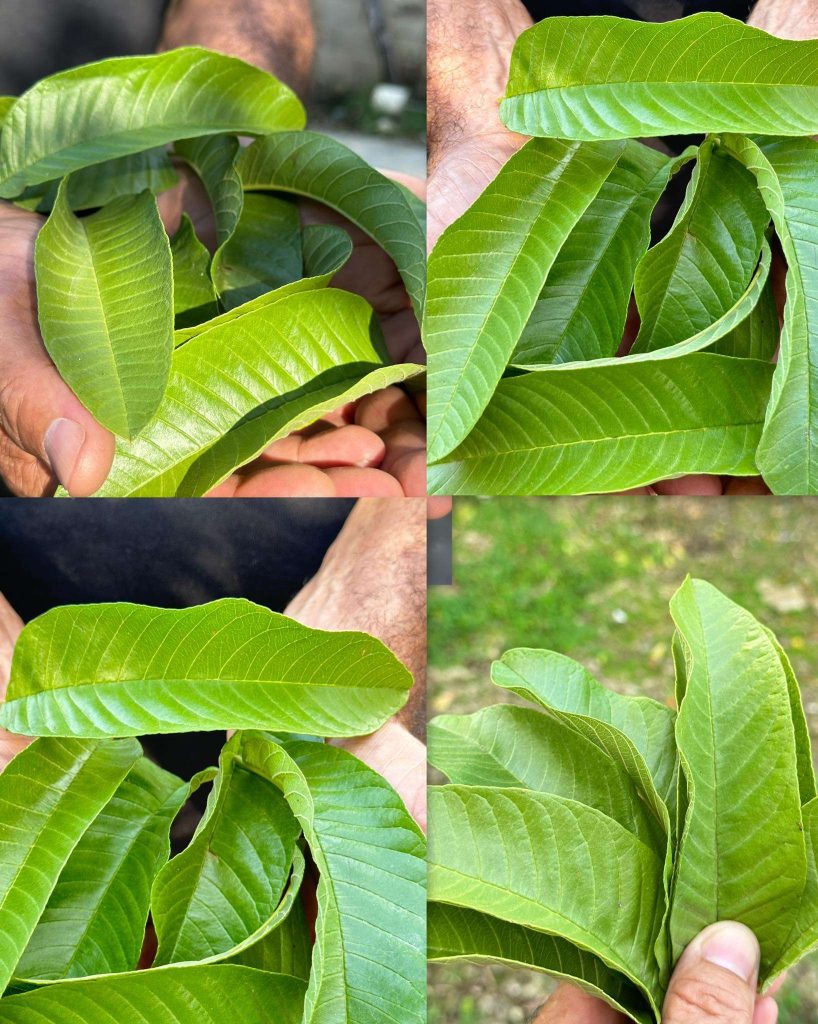
Guava leaves (Psidium guajava) are packed with a formidable array of bioactive substances. They are rich in powerful antioxidants like quercetin, flavonoids, and carotenoids, which combat oxidative stress in the body. Furthermore, they contain significant anti-inflammatory compounds, essential oils, and vital nutrients such as Vitamin C and potassium. This unique composition is the foundation for their wide-ranging therapeutic effects, making them more than just a simple leaf.
A Friend to Your Digestive System 🤢➡️😊
One of the most celebrated uses of guava leaves is for promoting digestive health. Their potent antimicrobial and anti-inflammatory properties can help soothe an upset stomach and combat harmful gut bacteria. Drinking guava leaf tea is a renowned natural remedy for alleviating symptoms of diarrhea and food poisoning. The leaves help reduce the production of excess mucus in the intestines and inhibit the activity of bacteria like Staphylococcus aureus. For a practical tip, simply steep a handful of washed leaves in hot water for 5-10 minutes and drink the infusion 1-2 times a day when experiencing digestive discomfort.
Blood Sugar Regulation: A Natural Support 🩸
Emerging research points to guava leaf tea as a beneficial adjunct for managing blood sugar levels. Compounds in the leaves are believed to inhibit certain enzymes that convert carbohydrates into glucose in the bloodstream, potentially leading to lower post-meal blood sugar spikes. While not a replacement for prescribed medication, incorporating unsweetened guava leaf tea into a balanced diet can be a supportive measure. It is crucial, however, to consult with a healthcare professional before using it for this purpose, especially if you are on diabetic medication.
Boosting Heart Health ❤️
The benefits extend to your cardiovascular system. The high potassium content helps regulate blood pressure by counteracting the effects of sodium and easing tension in the blood vessel walls. Additionally, the antioxidants help prevent the oxidation of LDL ("bad") cholesterol, a key step in the formation of arterial plaque. By supporting healthy blood pressure and cholesterol profiles, guava leaves contribute to overall heart health.
Enhancing Skin and Hair Beauty ✨
Your external beauty can also benefit from guava leaves' internal and topical applications. Their antimicrobial and anti-inflammatory properties make them excellent for treating acne and skin infections. You can create a simple face toner by boiling leaves, cooling the water, and applying it to the skin with a cotton pad. For hair care, a leaf decoction used as a final rinse can help combat dandruff, strengthen hair roots, and even potentially slow down premature graying due to its antioxidant content.
Weight Management and Metabolism ⚖️
For those on a weight management journey, guava leaf tea can be a helpful companion. It prevents complex starches from being converted into sugars, which can promote satiety and reduce cravings. Furthermore, by supporting stable blood sugar levels, it helps avoid the energy crashes that lead to unhealthy snacking. Drinking a cup before meals, as part of a calorie-controlled diet and exercise plan, may support your metabolic goals.
How to Incorporate Guava Leaves into Your Routine: Practical Tips 🍵
Harnessing these benefits is simple and cost-effective. The most common method is to prepare a tea.
- Wash 5-10 fresh, organic guava leaves thoroughly.
- Boil them in about one liter of water for 10-15 minutes.
- Strain the liquid and allow it to cool.
- You can drink it warm or chilled. For flavor, add a touch of honey or lemon, but avoid sugar to maximize health benefits.
You can also find dried guava leaves and pre-packaged tea bags in health food stores. For topical use, follow the toner or hair rinse methods mentioned earlier, always doing a patch test first to check for skin sensitivity.
Important Considerations and Precautions ⚠️
While generally safe for most people, it's important to practice moderation. Excessive consumption may lead to stomach upset in some individuals. Pregnant and breastfeeding women should consult their doctor before use. Due to its potential blood sugar-lowering effects, individuals with diabetes or those scheduled for surgery should seek medical advice to avoid interactions with medications or anesthesia. Natural does not automatically mean risk-free for everyone.
Conclusion: Embracing Nature's Pharmacy 🌳
From aiding digestion and supporting heart health to beautifying skin and assisting in metabolic balance, guava leaves prove to be an exceptionally versatile and potent natural remedy. They remind us that sometimes the most powerful solutions are found not in complex formulas, but in the simple, abundant gifts of nature. By integrating guava leaf tea into a holistic lifestyle focused on balanced nutrition and healthy habits, you can unlock a new dimension of natural wellness. Why not step outside, pluck a few fresh leaves (if you have access to a clean, pesticide-free tree), and brew your first cup? Your journey to discovering the multifaceted benefits of guava leaves starts with a single sip. 🌱
Deja una respuesta