Benefits of Guava Leaves
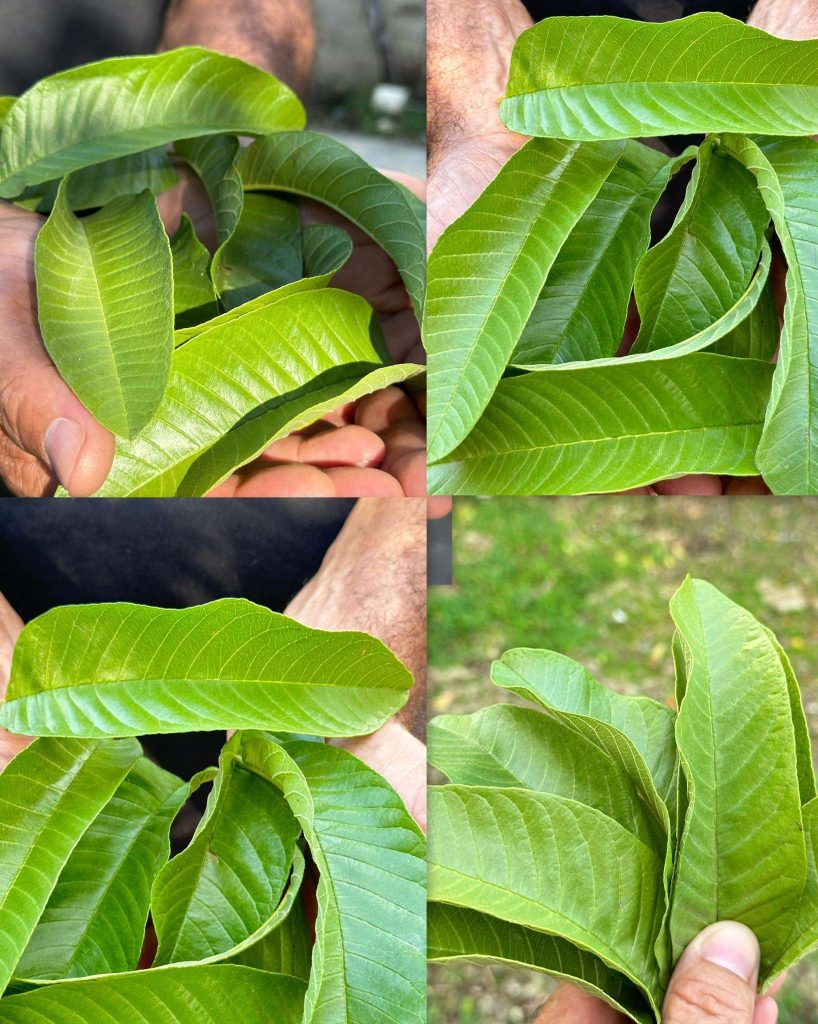
Beyond the Fruit: Unlocking the Remarkable Health Benefits of Guava Leaves 🍃
 Espanol
While the sweet, fragrant guava fruit rightfully enjoys global popularity, a true treasure of wellness often goes unnoticed: its leaves. For centuries, traditional medicine systems like Ayurveda have harnessed the power of guava leaves (Psidium guajava), and modern science is now validating their impressive therapeutic properties. This article delves beyond the surface to explore the substantial, evidence-backed health benefits of guava leaves, offering you practical ways to integrate this natural powerhouse into your wellness routine. Prepare to discover why this humble leaf deserves a prime spot in your natural health cabinet.
Espanol
A Potent Profile: What Makes Guava Leaves So Special? 🔬
Guava leaves are a concentrated source of beneficial bioactive compounds. They are rich in powerful antioxidants like quercetin and vitamin C, along with anti-inflammatory agents such as flavonoids and tannins. These leaves also possess significant antimicrobial and anti-diabetic properties. This unique phytochemical cocktail is responsible for their wide-ranging health effects, from regulating blood sugar to fighting infections and supporting skin health. Unlike the fruit, the leaves offer a more potent, less sugary way to access these benefits.
Top Evidence-Based Health Benefits of Guava Leaves
Let's explore the key areas where guava leaf preparations, primarily tea, can make a tangible difference in your health.
Blood Sugar Regulation & Diabetes Management: This is one of the most celebrated benefits. Compounds in guava leaves inhibit the absorption of certain types of sugars in the blood, such as maltose and sucrose. Several studies suggest that drinking guava leaf tea can help lower blood glucose levels after meals and improve long-term blood sugar control. Important: It should complement, not replace, prescribed diabetes medication, and consultation with a doctor is crucial.
Digestive Health Champion 🤢: Guava leaf tea is a traditional remedy for various digestive woes. Its anti-microbial properties can help combat harmful gut bacteria like Salmonella and E. coli, potentially easing food poisoning. The anti-inflammatory tannins can reduce symptoms of gastroenteritis and diarrhea. For a upset stomach, a warm cup of guava leaf tea can be incredibly soothing.
Heart Health Support ❤️: By helping to manage "bad" LDL cholesterol and triglycerides, and potentially lowering blood pressure, guava leaves contribute to cardiovascular wellness. The antioxidants also protect the heart from oxidative stress. The high potassium content further aids in maintaining healthy blood pressure levels, making it a heart-friendly brew.
Weight Management Aid ⚖️: Guava leaf tea is naturally calorie-free and may support weight loss efforts. By preventing complex carbohydrates from converting into sugars, it can help curb appetite and reduce unnecessary calorie intake. Swapping sugary drinks for this herbal tea is a simple, effective step in a balanced weight management plan.
Skin & Hair Health Enhancer ✨: Applied topically or consumed, guava leaves benefit your external health. The antimicrobial and anti-inflammatory compounds make a crushed leaf paste or a strong tea rinse excellent for treating acne, eczema, and skin irritation. For hair, a cooled tea rinse can combat dandruff, strengthen hair follicles, and promote healthy growth, thanks to its nutrient profile.
How to Use Guava Leaves: Practical Tips & Methods
Incorporating guava leaves into your life is simple and cost-effective.
1. Guava Leaf Tea (Infusion): The most common method. Use 2-3 fresh or dried leaves per cup. Wash fresh leaves thoroughly, crush them slightly to release compounds, and steep in hot water for 5-10 minutes. Strain and enjoy. You can add a dash of honey or lemon for flavor, but it's best consumed without sugar to maximize benefits.
2. Topical Applications: For skin issues, crush fresh leaves into a paste with a little water and apply directly to the affected area. For a hair rinse, boil a handful of leaves in a liter of water for 20 minutes, cool, strain, and use it as a final rinse after shampooing.
3. Supplement Form: Guava leaf extract is available in capsule or tincture form. Always choose reputable brands and follow dosage instructions carefully.
Important Precautions and Final Thoughts
While generally safe for most people, it's essential to exercise caution. Pregnant and breastfeeding women should consult a doctor before use. Due to its blood sugar-lowering effect, those on diabetes medication must monitor levels closely to avoid hypoglycemia. Start with small amounts to see how your body reacts. Never use guava leaf therapy as a substitute for professional medical diagnosis or treatment.
In conclusion, the guava tree offers a gift that extends far beyond its delicious fruit. Its leaves are a versatile, natural remedy with a robust scientific backing for benefits ranging from metabolic and digestive health to skincare. By preparing a simple tea or a topical application, you can tap into this ancient wisdom supported by modern research. We encourage you to explore guava leaves as a complementary part of your holistic health journey. Why not start by brewing your first cup of guava leaf tea today? 🍵 Your body might just thank you for discovering this evergreen secret to wellness.
Deja una respuesta