Benefits of Guava Leaves
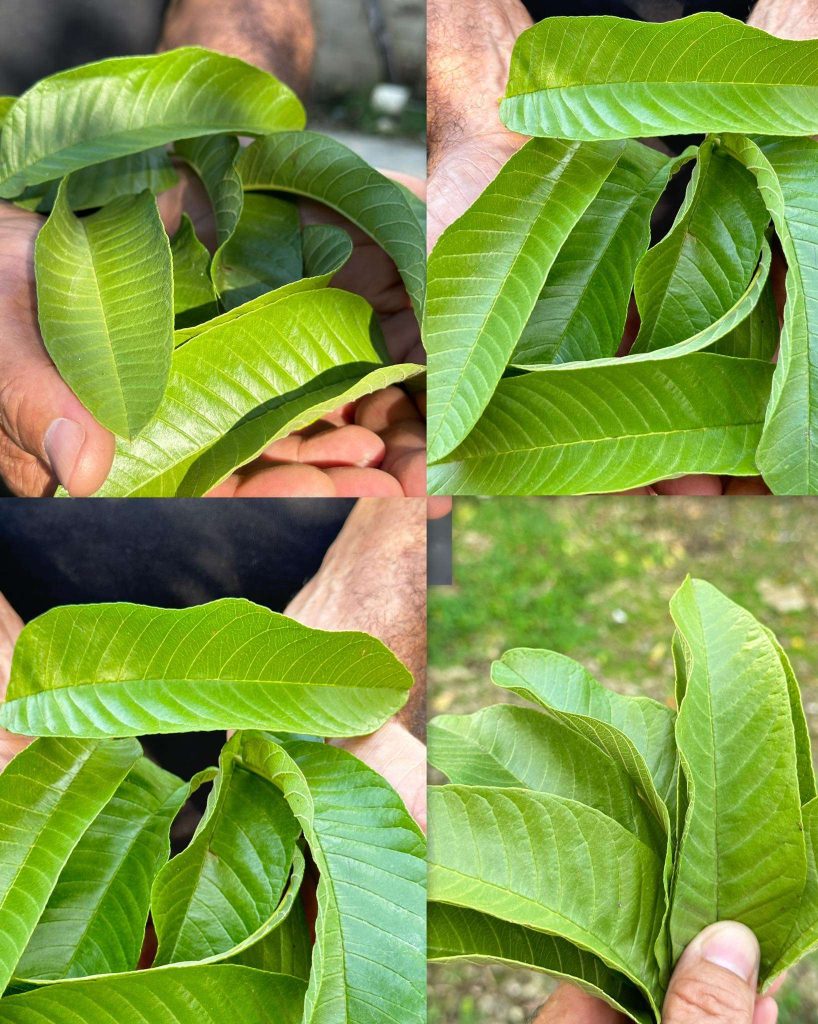
Unlocking Nature's Pharmacy: The Surprising Benefits of Guava Leaves 🍃
 Espanol
While the sweet, tangy fruit of the guava tree (Psidium guajava) is widely celebrated, its humble leaves often go unnoticed. 🌳 However, these verdant leaves are a powerhouse of nutrients and bioactive compounds, offering a treasure trove of health benefits that have been utilized in traditional medicine for centuries. This article delves deep into the science and practical applications of guava leaves, moving beyond superficial claims to provide you with a comprehensive guide on how this natural remedy can enhance your well-being. Get ready to discover why you should think twice before discarding these potent leaves.
Espanol
Nutritional Powerhouse: What's Inside the Leaf? 🔬
Guava leaves are rich in antioxidants like flavonoids (particularly quercetin) and polyphenols, along with potent anti-inflammatory compounds such as tannins and saponins. They also boast significant amounts of vitamins C and A, along with essential minerals like potassium and magnesium. This unique blend is responsible for their wide-ranging therapeutic effects, from fighting microbial invaders to regulating metabolic processes within the body. The high concentration of quercetin is particularly noteworthy for its strong anti-allergic and anti-histamine properties. 🛡️
Top Health Benefits Explored
Let's explore the most impactful, research-backed benefits of incorporating guava leaves into your health regimen.
1. Blood Sugar Regulation & Diabetes Management 📉
One of the most well-researched benefits is their positive effect on blood glucose levels. Compounds in the leaves inhibit the absorption of certain types of sugars (like maltose and sucrose) in the intestine and improve insulin sensitivity. Drinking guava leaf tea after meals may help prevent blood sugar spikes. Several studies, including those published in the journal Nutrition & Metabolism, support its role as a complementary therapy for managing type 2 diabetes, though it should never replace prescribed medication without consulting a doctor. 🩺
2. Digestive Health Champion 🤰
Guava leaves are excellent for your gut. Their antimicrobial and anti-inflammatory properties can help combat bacterial infections like E. coli and Staphylococcus aureus, which cause diarrhea and food poisoning. The leaves' anti-spasmodic effect can soothe stomach cramps and bloating. For acute diarrhea, a decoction made by boiling leaves in water for 10-15 minutes can provide rapid relief. Furthermore, they may help reduce symptoms of gastritis and gastric ulcers.
3. Heart Health Support ❤️
The leaves contribute to cardiovascular wellness in multiple ways. The potassium helps regulate blood pressure by counteracting the effects of sodium and easing tension in blood vessel walls. The antioxidants help reduce oxidation of LDL ("bad") cholesterol, a key factor in the formation of arterial plaque. Regular consumption of guava leaf tea may support healthy cholesterol levels and improve blood lipid profiles. This combined effect makes it a simple, natural ally for a healthy heart.
4. Skin & Hair Elixir ✨
Applied topically, guava leaf extract works wonders for skin and hair. Its antimicrobial and anti-inflammatory nature makes it effective against acne, dark spots, and skin irritation. You can create a simple facial toner by steeping leaves in hot water, letting it cool, and applying it with a cotton pad. For hair, it is traditionally used to combat dandruff and prevent hair loss by strengthening the follicles and improving scalp health. A warm guava leaf rinse can add shine and strength to your hair after shampooing. 💆♀️
5. Immune System Booster & Anti-Cancer Potential 🛡️🧬
The high vitamin C content and antioxidants provide a robust boost to the immune system, helping your body fend off common pathogens. More intriguingly, preliminary laboratory studies suggest that guava leaf extract may have anti-proliferative effects on certain cancer cells, such as those found in prostate and gastric cancers. The compound lycopene and quercetin are thought to play a key role in inducing apoptosis (programmed cell death) in these malignant cells. While this is promising, much more human clinical research is needed.
How to Use Guava Leaves: Practical Tips 🍵
To harness these benefits, here are the most common and effective methods:
- Guava Leaf Tea: The simplest method. Wash 5-10 fresh leaves (or use 1 tablespoon of dried leaves). Boil in 1 liter of water for 10-15 minutes. Strain and enjoy warm or cold. You can add honey or lemon for taste.
- Topical Application: For skin, use the cooled tea as a wash or toner. For hair, use the tea as a final rinse after shampooing.
- Supplement Form: Available as capsules or tinctures. Always choose reputable brands and follow dosage instructions.
Important Note: While generally safe, start with small amounts to see how your body reacts. Pregnant or breastfeeding women and individuals on medication (especially for diabetes or blood thinners) should consult a healthcare professional before regular use. ⚠️
Conclusion: A Leaf Worth Embracing
From stabilizing blood sugar and aiding digestion to promoting radiant skin and supporting heart health, guava leaves are a remarkably versatile and accessible natural remedy. 🍃 They embody the principle that sometimes the most powerful solutions are found in nature's simplest offerings. By incorporating guava leaf tea into your routine or using it topically, you are tapping into an ancient wisdom backed by growing modern science. Remember, consistency is key with natural remedies—their effects are often subtle and cumulative. Consider this humble leaf not just a byproduct of the guava tree, but a central player in your journey toward holistic health. Why not brew your first cup today and experience its benefits firsthand? 🌿
Deja una respuesta