Benefits of Guava Leaves
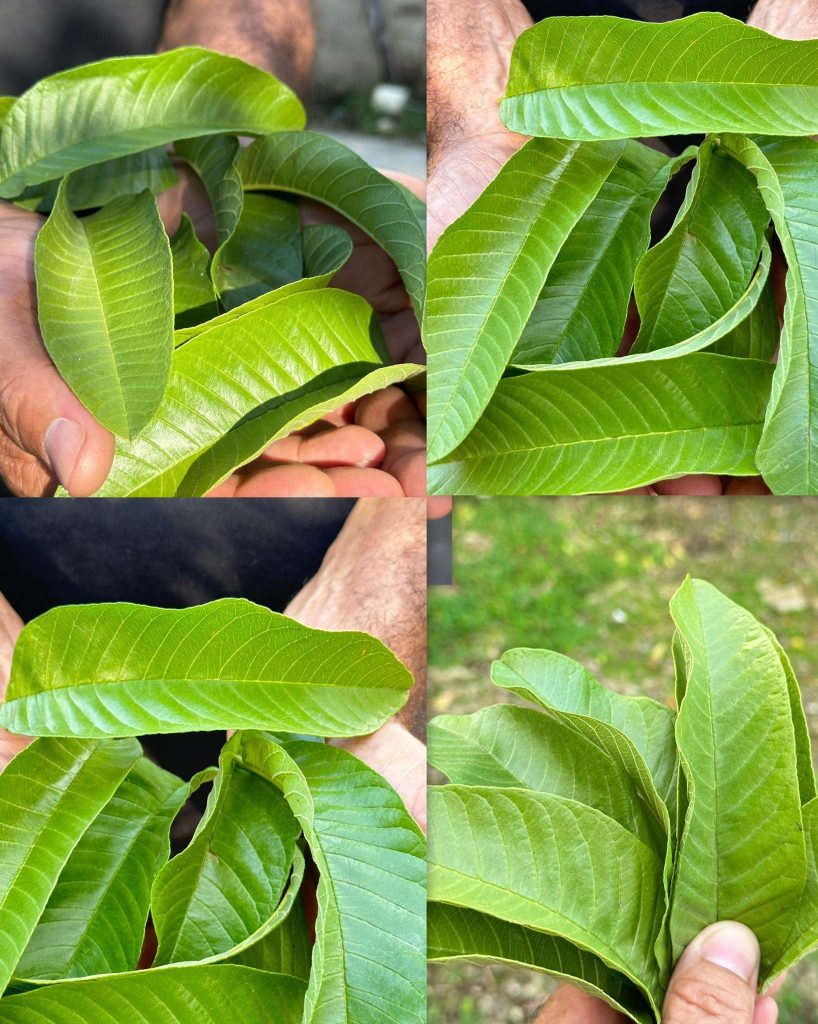
Unlocking Nature's Pharmacy: The Remarkable Benefits of Guava Leaves 🍃
 Espanol
Often overshadowed by its delicious fruit, the humble guava tree (Psidium guajava) holds a secret in its vibrant green foliage. For centuries, guava leaves have been a cornerstone in traditional medicine across tropical regions, and modern science is now catching up to validate their impressive health-promoting properties. This article delves beyond the surface to explore the profound benefits of guava leaves, offering you practical ways to harness this natural powerhouse for your well-being. From metabolic support to skin health, discover how this readily available leaf can become a valuable addition to your holistic health toolkit.
Espanol
A Powerhouse of Bioactive Compounds 🔬
Guava leaves are not just simple leaves; they are a dense repository of beneficial compounds. They are rich in antioxidants like quercetin and flavonoids, potent anti-inflammatory agents, and essential vitamins such as Vitamin C. Furthermore, they contain therapeutic compounds like tannins, carotenoids, and polyphenols that work synergistically to combat oxidative stress—the root cause of many chronic diseases. This unique phytochemical profile is what grants guava leaves their wide-ranging therapeutic effects, making them a true functional food.
Key Health Benefits and Practical Applications
Let's explore the specific, evidence-backed advantages of incorporating guava leaves into your routine.
🎯 Digestive Health and Stomach Soother: Guava leaf tea is renowned for its gastrointestinal benefits. Its anti-microbial properties can help combat harmful bacteria like Salmonella and E. coli, while its anti-inflammatory nature soothes the gut lining. For acute diarrhea or stomach upset, a strong cup of guava leaf tea can provide significant relief. The leaves also contain compounds that may inhibit the production of enzymes responsible for starch breakdown, aiding in slower carbohydrate absorption and reducing bloating.
📉 Blood Sugar Regulation Ally: One of the most celebrated benefits is its impact on blood glucose levels. Research indicates that compounds in guava leaves can improve insulin sensitivity and inhibit key enzymes involved in converting carbohydrates to sugar in the bloodstream. Drinking guava leaf tea after meals may help prevent blood sugar spikes, making it a valuable complementary practice for those managing insulin resistance or type 2 diabetes. However, it is crucial to consult with a healthcare provider alongside prescribed treatments.
❤️ Cardiovascular Support: The synergy of potassium, fiber, and antioxidants in the leaves contributes to heart health. They may help lower "bad" LDL cholesterol and triglycerides while supporting "good" HDL cholesterol. The hypotensive (blood pressure-lowering) effect, attributed to their potassium content and vasodilating properties, further underscores their role in maintaining a healthy cardiovascular system.
🧠 Cognitive and Immune Booster: The antioxidants in guava leaves, particularly quercetin and vitamin C, are vital for brain health, potentially protecting neurons from oxidative damage. Their immune-modulating and anti-viral properties can fortify the body's defenses. During cold season, sipping on warm guava leaf tea can provide a comforting and strengthening boost.
✨ Skin and Hair Elixir: Applied topically, guava leaf decoctions work wonders. Their antimicrobial and anti-inflammatory traits make them excellent for treating acne, reducing redness, and healing minor wounds. For hair, rinsing with cooled guava leaf tea can strengthen follicles, reduce hair fall, and combat dandruff, thanks to its nutrient-rich composition.
How to Use Guava Leaves: A Practical Guide 🍵
To reap these benefits, here are the most common and effective methods:
- Tea/Infusion: This is the simplest method. Wash 5-10 fresh leaves (or use 1 tbsp dried leaves). Gently crush them to release their essence, add to a cup of boiling water, cover, and steep for 5-10 minutes. Strain and enjoy. You can add honey or lemon for taste.
- Topical Application: For skin or hair, boil a handful of leaves in 1 liter of water for 15-20 minutes. Let the decoction cool completely. Use it as a facial toner, a soak for affected skin, or a final hair rinse after shampooing.
- Supplemental Form: Guava leaf extract is available in capsule or tincture form. If choosing this route, always select products from reputable brands and follow dosage instructions carefully.
A crucial reminder: While generally safe, pregnant or breastfeeding women and individuals on medication (especially for diabetes or blood pressure) should consult a doctor before regular consumption.
Conclusion: Embracing a Leaf of Life
Guava leaves stand as a testament to nature's profound ability to provide healing and support. From stabilizing blood sugar and aiding digestion to enhancing skin vitality and protecting the heart, their benefits are both diverse and deeply impactful. By incorporating guava leaf tea into your daily ritual or using it as a topical treatment, you are tapping into an ancient, yet scientifically relevant, source of wellness. 🍃💚
We encourage you to explore this natural remedy with mindfulness, pairing it with a balanced diet and healthy lifestyle for optimal results. Start with a simple cup of tea and observe how your body responds—you might just discover a powerful, green ally on your journey to holistic health.
Deja una respuesta