Benefits of Guava Leaves
 Espanol
Espanol
Unlock the Hidden Treasure of Your Garden: The Remarkable Benefits of Guava Leaves 🌿
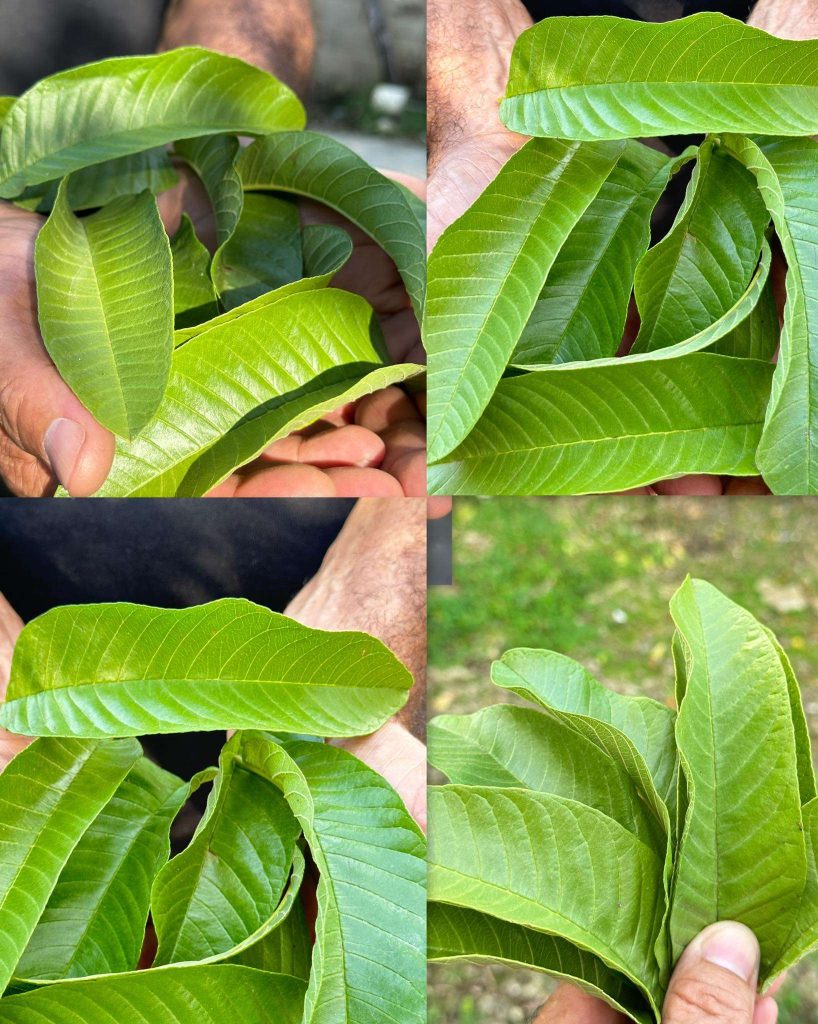
Often overlooked in favor of the sweet, fragrant fruit, the humble guava leaf is a powerhouse of wellness waiting to be discovered. Psidium guajava, the common guava tree, offers more than just a tasty snack; its leaves are packed with compounds that have been used in traditional medicine for centuries. This article will guide you through the science-backed and practical benefits of guava leaves, transforming the way you view this common plant. Get ready to explore a natural, accessible path to enhanced health and well-being.
Beyond the Fruit: A Deep Dive into Guava Leaf Compounds 🔬
Guava leaves are rich in potent bioactive substances, including flavonoids (like quercetin), carotenoids, polyphenols, and essential oils. They also possess significant amounts of vitamin C and antioxidants. These compounds work synergistically to provide anti-inflammatory, antimicrobial, antidiabetic, and analgesic effects. Understanding this chemical foundation helps explain the wide array of health benefits these simple leaves can offer, making them a valuable addition to your natural health toolkit.
Powerhouse for Digestive Health and Weight Management 🍃
Struggling with digestive discomfort? Guava leaf tea might be your answer. The leaves contain properties that can help inhibit the growth of harmful bacteria like Staphylococcus aureus while soothing the gastrointestinal tract. For issues such as diarrhea, dysentery, or general stomach upset, a warm cup of guava leaf tea can provide relief. Furthermore, some studies suggest that the leaf extract can prevent the conversion of complex carbohydrates into sugars, which may aid in weight management efforts by helping to curb sugar absorption.
A Natural Ally in Blood Sugar Control 📊
One of the most celebrated benefits of guava leaves is their potential impact on diabetes management. Research indicates that drinking guava leaf tea can help lower blood glucose levels after meals by inhibiting certain enzymes (alpha-glucosidase). This effect, combined with its antioxidant properties that may protect pancreatic cells, makes it a noteworthy complementary approach. It is crucial, however, to consult with your healthcare provider before using it as part of a diabetes care plan, as it may interact with medications.
Radiant Skin and Strong Hair: Your Natural Cosmetic Aid ✨
Your skincare routine could get a natural boost from guava leaves. Their anti-inflammatory and antimicrobial properties make them excellent for tackling acne, blackheads, and skin redness. You can create a simple facial toner by boiling leaves, cooling the water, and applying it to your face with a cotton pad. For hair health, a decoction of guava leaves can be used as a final rinse to strengthen hair follicles, combat dandruff, and prevent hair loss, thanks to its nutrient content and scalp-cleansing abilities.
Boosting Immunity and Fighting Infections 🛡️
In an era where supporting our immune system is paramount, guava leaves offer valuable assistance. Their high vitamin C content and antioxidants help fortify the body's natural defenses. More directly, the antimicrobial properties are effective against various pathogens. Gargling with warm guava leaf tea can soothe a sore throat, reduce oral bacteria, and alleviate gum inflammation or mouth ulcers. It's a simple, cost-effective way to promote oral hygiene and overall resilience.
Heart Health and Cholesterol Support ❤️
Emerging research points to cardiovascular benefits associated with guava leaves. The leaf extract may help in managing "bad" LDL cholesterol and triglyceride levels while supporting "good" HDL cholesterol. This lipid-regulating effect, coupled with its antioxidant action that protects against oxidative stress in blood vessels, contributes to better heart health. Incorporating guava leaf tea as part of a balanced diet and active lifestyle could be a supportive measure for maintaining a healthy cardiovascular system.
How to Use Guava Leaves: Practical Tips and Methods 🍵
To harness these benefits, you need to know how to prepare guava leaves properly. The most common method is to make an infusion or tea:
1. Rinse 5-10 fresh, organic guava leaves (or use 1 tablespoon of dried leaves).
2. Boil them in 1 liter of water for about 10 minutes.
3. Strain the liquid and enjoy it warm or cold. You can add honey or lemon for taste.
For topical use on skin or hair, follow the same boiling process, allow the water to cool completely, and then apply. Always start with a patch test to ensure you don't have a sensitivity. You can also find guava leaf extract in supplement form, but prioritize obtaining professional medical advice before starting any new supplement regimen.
Important Precautions and Final Thoughts ⚠️
While guava leaves are generally safe for most people, moderation is key. Pregnant or breastfeeding women should avoid therapeutic use due to limited safety data. As mentioned, individuals with diabetes or those on medication, especially for blood sugar or blood thinning, must seek a doctor's guidance to prevent adverse interactions. Remember, natural remedies are powerful complements, not substitutes, for professional medical treatment.
Conclusion: Embrace the Foliage for Holistic Wellness 🌱
From supporting digestion and blood sugar balance to enhancing skin radiance and immune function, guava leaves prove that nature often hides its best secrets in plain sight. This versatile leaf offers a confluence of traditional wisdom and modern scientific interest, providing practical, low-cost solutions for everyday health concerns. We encourage you to explore the potential of guava leaves—brew a cup of tea, create a skin tonic, or simply learn more about the plants in your environment. By integrating such natural treasures into a mindful lifestyle, you take a proactive step toward holistic well-being. Start small, observe the benefits, and share this knowledge to help others discover the incredible Benefits of Guava Leaves.
Deja una respuesta