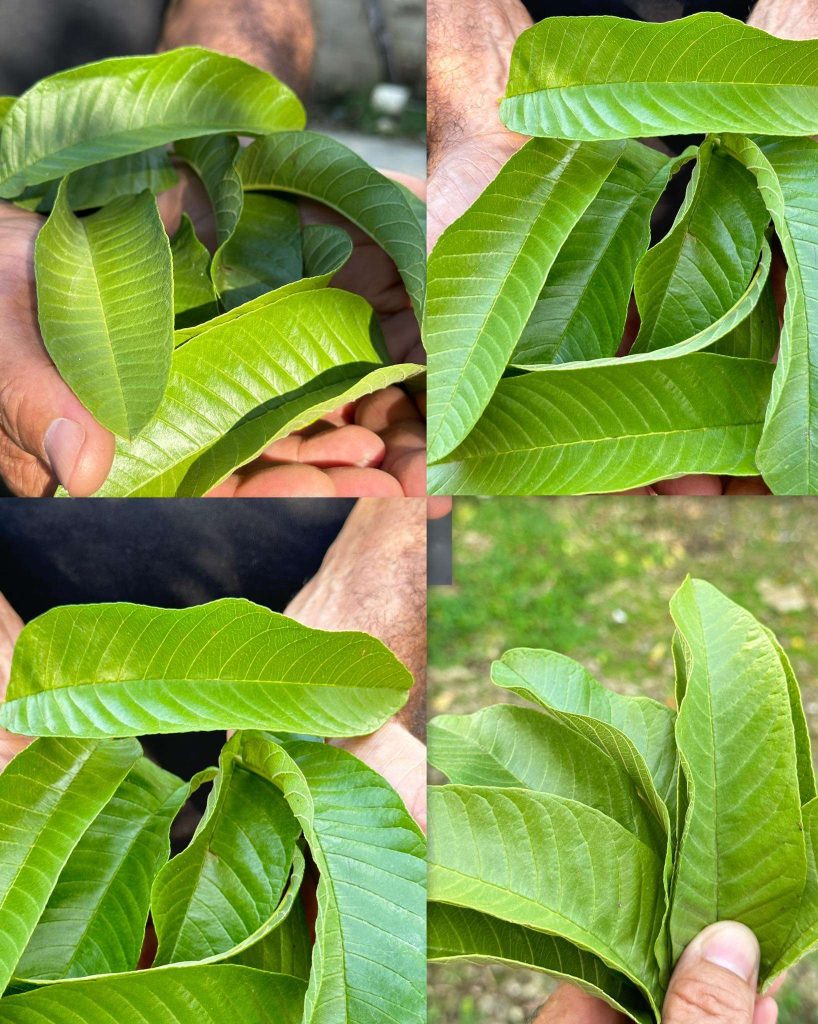
BENEFITS OF GUAVA LEAVES
 Espanol
Espanol
Espanol
Have you ever considered that the humble guava tree in your backyard might be a treasure trove of wellness? 🌳 While the sweet, fragrant fruit often steals the spotlight, its verdant leaves are quietly boasting an impressive array of health-promoting properties. For centuries, these leaves have been a cornerstone in traditional medicinal practices across tropical regions, and modern science is now beginning to validate their remarkable benefits. This article delves deep into the potent advantages of guava leaves, offering you a comprehensive guide to harnessing their power for a healthier, more vibrant life. Let's explore nature's hidden pharmacy together.
Unlocking the Nutritional Powerhouse: What's in a Guava Leaf? 🧪
Before diving into the specific benefits, it's crucial to understand what makes guava leaves so special. They are densely packed with bioactive compounds, including powerful antioxidants like quercetin and flavonoids, anti-inflammatory agents such as tannins, and essential vitamins (notably Vitamin C). They also possess significant antimicrobial and antibacterial properties. This rich phytochemical profile is the foundation for their wide-ranging therapeutic effects, transforming a simple leaf into a multi-purpose natural remedy.
Top Health Benefits of Guava Leaves: A Closer Look
The applications of guava leaves are surprisingly diverse, addressing everything from metabolic health to skin care. Here are some of the most substantiated and impactful benefits:
1. Blood Sugar Regulation and Diabetes Support 🩸
One of the most celebrated benefits of guava leaf tea is its potential to help manage blood sugar levels. Compounds in the leaves inhibit the absorption of sucrose and maltose in the body, leading to a more gradual rise in blood glucose after meals. For those managing diabetes or pre-diabetes, drinking a cup of guava leaf tea after meals may be a beneficial supportive practice. Always consult with your healthcare provider, as this should complement, not replace, prescribed treatments.
2. A Friend to Your Digestive System 🤢➡️🤗
Struggling with an upset stomach, diarrhea, or indigestion? Guava leaf tea has been traditionally used as a potent remedy. Its antimicrobial properties can help neutralize harmful gut bacteria like Staphylococcus aureus, while its anti-inflammatory nature soothes the intestinal lining. Brewing a strong cup of guava leaf tea can provide quick relief from food poisoning and acute digestive distress. 🍵
3. Boosting Heart Health ❤️
Heart health is multifaceted, and guava leaves contribute in several ways. They may help lower "bad" LDL cholesterol and triglycerides, thanks to their high antioxidant content. Furthermore, the leaves are a good source of potassium, which helps regulate blood pressure by counteracting the effects of sodium and easing tension in the blood vessel walls. Incorporating guava leaf extract or tea into a heart-healthy lifestyle can be a simple, proactive step.
4. Enhancing Skin Health and Fighting Aging ✨
Move over, expensive serums! The antioxidants in guava leaves combat free radicals, the primary culprits behind skin aging and damage. You can use a cooled guava leaf tea as a facial toner to reduce acne and inflammation, thanks to its antibacterial properties. For a more direct approach, crushing fresh leaves into a paste and applying it to affected areas can target blemishes and promote clearer skin. 🍃
5. Supporting Weight Management Goals ⚖️
Guava leaves may aid weight management by preventing complex starches from being converted into sugars. When these sugars aren't needed for energy, they are stored as fat. By inhibiting this conversion process, guava leaves can help reduce the accumulation of unwanted fat, making them a valuable ally when combined with a balanced diet and regular exercise.
6. Natural Relief from Coughs and Colds 🤧
Rich in Vitamin C and iron, guava leaves are excellent for relieving coughs and colds. Drinking the tea helps loosen mucus, disinfect the respiratory tract, and soothe a sore throat. The anti-inflammatory action also reduces lung inflammation, making breathing easier. Next time you feel a tickle in your throat, consider this natural alternative.
How to Use Guava Leaves: Practical Tips and Methods
To reap these benefits, you need to know how to prepare and use the leaves correctly. The most common method is to make an herbal infusion or tea.
How to Make Guava Leaf Tea:
- Wash 5-10 fresh, organic guava leaves thoroughly (or use 1 tablespoon of dried leaves).
- Bring 2 cups of water to a boil in a pot.
- Add the leaves, reduce heat, and let them simmer for 10-15 minutes.
- Strain the liquid into a cup. You can add a teaspoon of raw honey or a slice of lemon for flavor. Enjoy it warm, 1-2 times daily.
For topical use on skin or hair, you can use the cooled tea as a rinse or create a paste from freshly crushed leaves. For a hair treatment to combat dandruff and promote growth, massage the cooled tea into your scalp after shampooing. 🧴
Important Considerations and Precautions ⚠️
While guava leaves are generally safe for most people, it's wise to exercise caution. If you are pregnant, breastfeeding, or have a chronic medical condition (especially related to blood sugar), consult your doctor before using guava leaf tea medicinally. Start with small amounts to see how your body reacts, as overconsumption could potentially lead to constipation or stomach irritation in some individuals. The key is moderation and mindfulness.
Conclusion: Embracing a Leaf of Life
From stabilizing blood sugar to rejuvenating your skin, the benefits of guava leaves are both profound and practical. 🍃 This unassuming foliage offers a powerful, natural approach to enhancing wellness, grounded in both tradition and emerging science. By integrating guava leaf tea or topical applications into your routine, you're not just trying a trend—you're tapping into centuries of herbal wisdom. We encourage you to explore this natural remedy, start with a simple cup of tea, and observe the positive changes it can bring to your health journey. Remember, the most powerful solutions are often found not in complex formulations, but in the simple gifts nature provides.
Deja una respuesta