Benefits of Guava Leaves
 Espanol
Espanol
🌿 The Humble Powerhouse: Unlocking the Remarkable Benefits of Guava Leaves
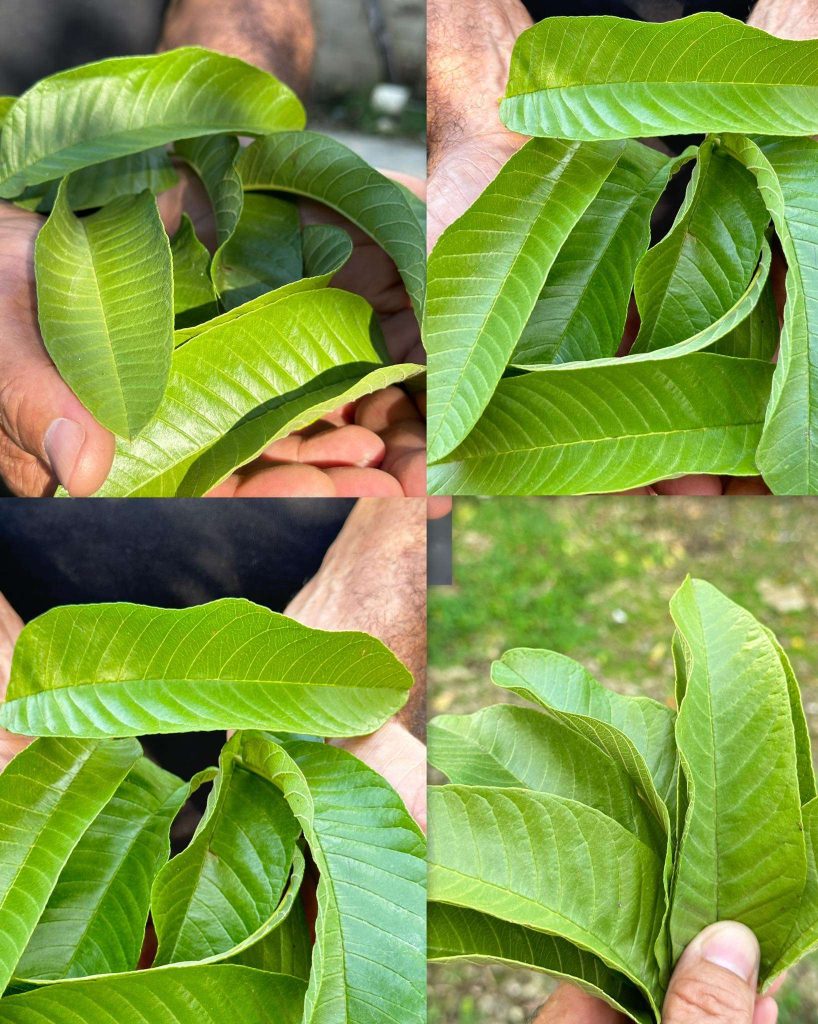
Often overshadowed by its sweet, tangy fruit, the guava tree (Psidium guajava) holds a secret in its foliage. 🍃 For centuries, guava leaves have been a cornerstone in traditional medicine across tropical and subtropical regions. Today, modern science is beginning to validate what ancient healers knew: these unassuming leaves are packed with potent bioactive compounds. This article delves deep into the science-backed benefits of guava leaves, moving beyond superficial claims to offer you a comprehensive guide on how to harness their power for your health and wellness.
📜 A Leaf Steeped in Tradition and Science
The use of guava leaves is deeply rooted in folk medicine, from treating digestive issues in South America to managing diabetes in parts of Asia and Africa. 🔬 The secret to their efficacy lies in their rich composition. Guava leaves are a treasure trove of antioxidants like quercetin and flavonoids, powerful anti-inflammatory agents, and essential vitamins (notably Vitamin C). They also possess astringent properties due to their tannin content and contain compounds that can inhibit various pathogens. This unique blend is what makes them so versatile.
💪 Top Health Benefits of Guava Leaves: A Detailed Look
Let's explore the specific, evidence-supported advantages of incorporating guava leaves into your wellness routine.
1. A Friend to Your Digestive System 🤢➡️😊
Guava leaves are renowned for their gastrointestinal benefits. Their anti-microbial and anti-inflammatory properties help combat harmful gut bacteria like Staphylococcus aureus and E. coli, which can cause diarrhea and food poisoning. The leaves' extracts can reduce the production of excess digestive mucus, soothe intestinal inflammation, and slow down peristalsis, providing relief from diarrhea. For a practical remedy, a strong tea made from boiled leaves is a traditional go-to solution.
2. Blood Sugar Regulation 🩸⚖️
This is one of the most researched benefits. Studies suggest that guava leaf tea can help improve insulin resistance and lower blood sugar levels. The compounds in the leaves inhibit the absorption of certain types of sugars (like sucrose and maltose) in the blood. Drinking guava leaf tea after meals may help prevent blood sugar spikes. While not a replacement for prescribed medication, it can be a valuable supportive dietary addition for those managing their glucose levels, under medical supervision.
3. Heart Health Guardian ❤️🛡️
Supporting cardiovascular health is a multi-faceted benefit of guava leaves. The high potassium content helps regulate blood pressure by counteracting the effects of sodium. Furthermore, the antioxidants help prevent the oxidation of LDL ("bad") cholesterol, a key step in the formation of arterial plaque. By lowering blood pressure and improving lipid profiles, guava leaves contribute to a healthier heart and reduced risk of atherosclerosis.
4. Skin and Hair Elixir ✨
The astringent and antimicrobial qualities of guava leaves make them excellent for topical use. A cooled leaf decoction can be applied to the face to tighten pores, reduce acne, and soothe inflammation. The antioxidants fight free radicals that cause premature aging. For hair, rinsing with guava leaf tea is believed to strengthen hair follicles, combat dandruff, and prevent hair loss, thanks to its nutrient and antioxidant delivery to the scalp.
5. Immune System Boost and Oral Health 🦷🛡️
The significant vitamin C content, though lower than in the fruit, still contributes to immune function. More notably, the leaves' potent antibacterial and anti-plaque properties make them fantastic for oral health. Chewing on tender leaves or using a mouth rinse made from them can combat bad breath, soothe gum inflammation, and prevent gingivitis by targeting oral pathogens.
🍵 How to Use Guava Leaves: Practical Tips and Methods
Knowing the benefits is one thing; applying them is another. Here are the most common and effective ways to use guava leaves.
Guava Leaf Tea (The Standard Method): This is the simplest way to consume the leaves internally. Rinse 5-10 fresh or dried leaves. Gently crush them to release the compounds. Boil in about one liter of water for 10-15 minutes. Strain and enjoy. You can drink it warm or cold. Start with one cup per day to assess tolerance.
Topical Applications: For skin, prepare a stronger decoction (more leaves, less water), let it cool completely, and apply with a cotton pad. For hair, use the tea as a final rinse after shampooing, massaging it into the scalp.
Supplement Forms: Guava leaf extract is available in capsule or tincture form. If choosing this route, select products from reputable brands and follow dosage instructions carefully.
⚠️ Crucial Safety Tip: While generally safe, guava leaves may interact with diabetes and blood-thinning medications. Always consult with your healthcare provider before starting any new herbal regimen, especially if you have pre-existing conditions or are pregnant/nursing.
🎯 Conclusion: A Simple Addition for Holistic Wellness
In summary, guava leaves are far more than just tree waste. From aiding digestion and blood sugar control to protecting your heart and enhancing your skin, they offer a wide spectrum of benefits backed by both tradition and emerging science. Their power lies in the synergistic effect of their antioxidant, anti-inflammatory, and antimicrobial compounds. By preparing a simple tea or a topical rinse, you can tap into this natural, accessible resource. Remember, the key is consistency and informed usage. Integrate guava leaves mindfully into your lifestyle as a complementary approach to health, and you may just discover a powerful, natural ally in your journey toward holistic well-being. 🌿 Why not brew your first cup today and experience the gentle power of this remarkable leaf?
Deja una respuesta