Benefits of Guava Leaves
 Espanol
Espanol
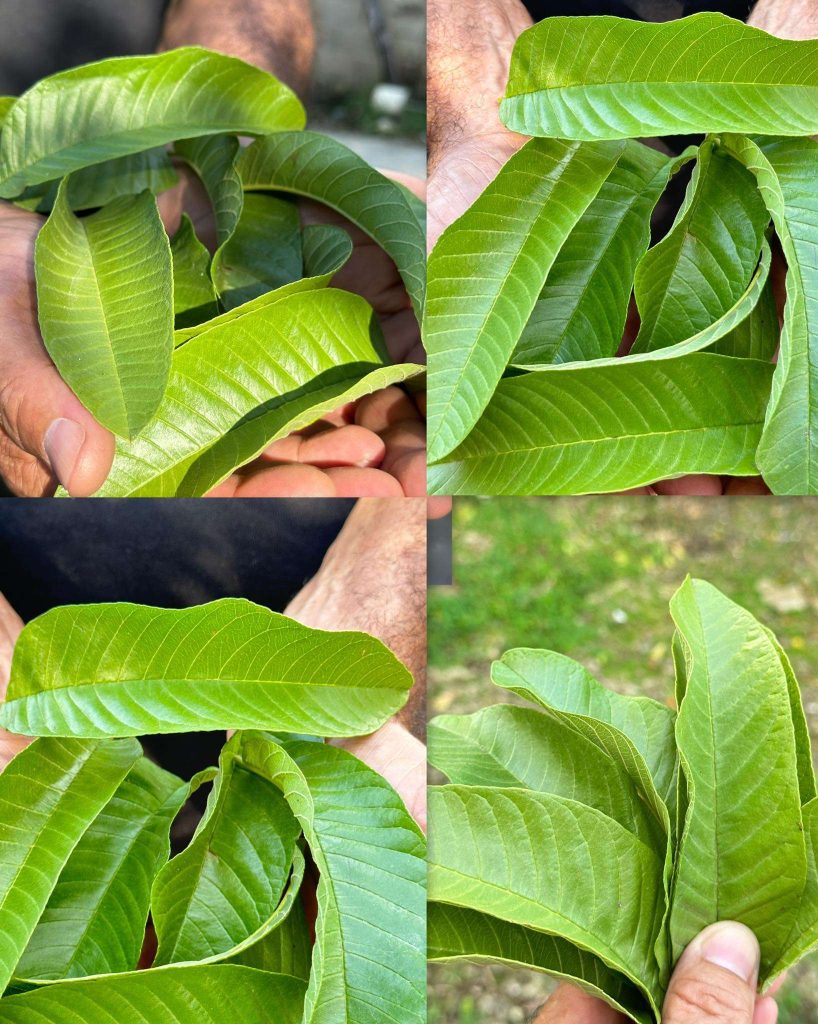
The Humble Powerhouse: Unveiling the Remarkable Benefits of Guava Leaves 🌿
Often overshadowed by its delicious and vitamin C-rich fruit, the guava tree (Psidium guajava) holds a secret in its foliage. For centuries, guava leaves have been a cornerstone in traditional medicine systems across tropical and subtropical regions. Modern science is now catching up, validating what ancient healers long knew: these unassuming leaves are a treasure trove of health-promoting compounds. This article delves deep into the science-backed benefits of guava leaves, moving beyond superficial claims to offer you a comprehensive guide on how this natural remedy can support your wellness journey. We'll explore practical ways to incorporate them into your routine, ensuring you can harness their full potential.
Nutritional Profile: What Makes Guava Leaves So Special? 🔬
Guava leaves are packed with potent bioactive substances, including flavonoids (like quercetin), carotenoids, tannins, and essential oils. They are a rich source of antioxidants, which are crucial for combating oxidative stress—a key factor in aging and many chronic diseases. Furthermore, the leaves possess significant anti-inflammatory, antimicrobial, and astringent properties. This powerful combination is the foundation for their wide-ranging health applications, making them more than just a simple leaf.
Key Health Benefits and Practical Applications
1. Blood Sugar Regulation and Diabetes Management 🩸
One of the most researched benefits of guava leaf tea is its positive effect on blood glucose levels. Studies suggest that compounds in the leaves inhibit the absorption of certain types of sugars (like sucrose and maltose) in the intestine and improve insulin sensitivity. For those managing type 2 diabetes or pre-diabetes, drinking guava leaf tea after meals may help prevent sharp spikes in blood sugar. It's a supportive habit, though not a replacement for prescribed medication. Consistency is key for observing potential benefits.
2. Digestive Health and Weight Management 🤰
The antimicrobial and anti-inflammatory properties of guava leaves make them excellent for gut health. They can help combat harmful bacteria like Salmonella and E. coli, potentially reducing the risk of foodborne illnesses and soothing symptoms of gastroenteritis. The leaves' high fiber content and tannins also contribute to digestive regularity. A cup of warm guava leaf tea can alleviate stomach discomfort, reduce diarrhea, and promote a healthier digestive environment. Its potential role in blocking complex carbohydrate conversion may also indirectly support weight management efforts.
3. Heart Health Champion ❤️
By helping to regulate blood sugar and lower "bad" LDL cholesterol levels, guava leaves contribute to cardiovascular wellness. The potassium and antioxidants in the leaves support healthy blood pressure and protect blood vessels from oxidative damage. Incorporating guava leaf tea as part of a heart-healthy lifestyle, which includes a balanced diet and regular exercise, can be a simple yet effective strategy for long-term cardiovascular support.
4. Skin and Hair Elixir ✨
Applied topically, guava leaf extracts work wonders for skin and hair. Their antimicrobial and anti-inflammatory nature helps fight acne-causing bacteria and reduce redness. The antioxidants combat signs of aging by neutralizing free radicals. A simple face rinse made from cooled guava leaf tea can tone skin, minimize pores, and impart a healthy glow. For hair, a strong decoction massaged into the scalp is traditionally used to combat dandruff, strengthen hair follicles, and prevent hair loss, thanks to its nutrient-rich profile.
5. Oral Health and Immunity Booster 🦷
Chewing tender guava leaves or using the tea as a mouthwash can provide relief from toothaches, gingivitis, and mouth ulcers due to its analgesic and anti-inflammatory effects. The leaves' vitamin C content, though lower than the fruit, along with other immune-modulating compounds, helps strengthen the body's natural defenses. During cold season, a warm cup can be a comforting and supportive beverage.
How to Use Guava Leaves: A Practical Guide
The most common and convenient method is preparing a tea or infusion.
- For Tea: Wash 5-10 fresh, organic leaves (or use 1 tablespoon of dried leaves). Crush them slightly to release the compounds. Steep in a cup of hot water for 5-10 minutes. Strain and enjoy. You can add honey or lemon for taste. 🍵
- For Topical Use: Boil a handful of leaves in 1 liter of water for 15-20 minutes to create a concentrated decoction. Let it cool completely. Use it as a facial toner, hair rinse, or soak a clean cloth in it to apply to affected skin areas.
Important Note: While generally safe, start with small amounts to see how your body reacts. If you are pregnant, breastfeeding, on medication (especially for diabetes), or have a scheduled surgery, consult your healthcare provider before making guava leaves a regular part of your regimen.
Conclusion: Embracing Nature's Pharmacy
From regulating metabolic health to enhancing skin radiance, guava leaves offer a compelling, multi-faceted approach to natural wellness. 🌱 This exploration has moved beyond myth to highlight the scientific rationale behind their traditional uses. While not a magic bullet, they represent a powerful, accessible adjunct to a healthy lifestyle. By understanding their benefits—from internal consumption as a therapeutic tea to external application as a skin and hair treatment—you are equipped to make informed decisions about incorporating this humble leaf into your routine. We encourage you to source clean, pesticide-free leaves and experience the synergy of tradition and science for yourself. Your journey toward holistic health might just find a steadfast ally in the guava tree's generous foliage.
Deja una respuesta