Benefits of Guava Leaves
 Espanol
Have you ever walked past a guava tree and admired its fruit without a second thought for its leaves? 🌿 You're not alone. While the sweet, fragrant guava fruit often steals the spotlight, its humble leaves are a powerhouse of wellness, quietly used in traditional medicine across the globe for centuries. This article delves deep into the science-backed benefits of guava leaves, moving beyond superficial claims to explore how this natural remedy can genuinely support your health. We'll uncover their potent nutritional profile, practical applications, and how you can easily integrate them into your daily routine for a more holistic approach to well-being.
Espanol
Unlocking the Nutritional Powerhouse: What's in Guava Leaves?
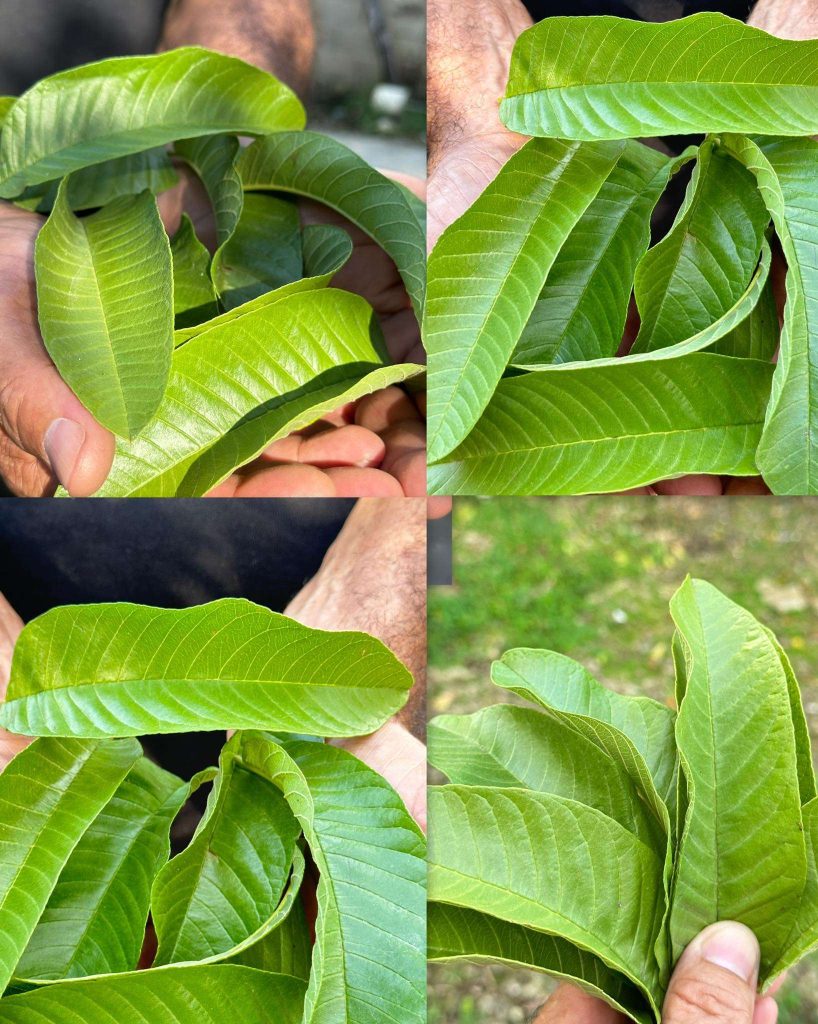
Guava leaves (Psidium guajava) are far from ordinary foliage. They are densely packed with a remarkable array of bioactive compounds. The key players include powerful antioxidants like flavonoids (particularly quercetin) and phenols, which combat oxidative stress and cellular damage. They are also a rich source of anti-inflammatory and antimicrobial compounds, such as tannins, saponins, and essential oils like cineole. Furthermore, guava leaves contain beneficial vitamins, notably Vitamin C and niacin (B3), along with minerals that contribute to their therapeutic effects. This unique chemical composition is the foundation for their wide-ranging health benefits. 🧪
Top Health Benefits of Guava Leaves: A Detailed Look
The traditional uses of guava leaves are now gaining validation through modern scientific research. Here are some of the most significant, evidence-informed benefits:
Blood Sugar Management 🩸
Multiple studies indicate that guava leaf tea can help lower blood sugar levels and improve insulin resistance. The compounds in the leaves inhibit the absorption of certain types of sugars (like sucrose and maltose) in the intestine, leading to a more gradual rise in blood glucose after meals. For those managing diabetes or pre-diabetes, drinking guava leaf tea may be a valuable supportive habit, though it should never replace prescribed medication without consulting a doctor.
Digestive Health Support 🤢
From soothing an upset stomach to combating foodborne pathogens, guava leaves are a friend to your gut. Their antimicrobial properties can help inhibit the growth of harmful bacteria like Salmonella and E. coli. Additionally, their anti-inflammatory nature can alleviate symptoms of gastritis and colitis. Drinking a warm cup of guava leaf tea is a time-tested remedy for diarrhea, indigestion, and stomach aches.
Heart Health Promoter ❤️
The synergy of potassium, fiber, and antioxidants in guava leaves contributes to cardiovascular wellness. They may help lower "bad" LDL cholesterol and triglycerides while potentially raising "good" HDL cholesterol. The leaves also have a mild antihypertensive effect, which can aid in managing blood pressure. Supporting heart health is a long-term benefit of consistent use.
Skin and Hair Enhancer ✨
Applied topically, guava leaf extract is a boon for skin and hair. Its antimicrobial and anti-inflammatory properties make it effective against acne and skin infections. A simple paste or wash can reduce redness and speed up healing. For hair, it's traditionally used to combat hair loss and dandruff, strengthening the scalp and hair follicles thanks to its nutrient content.
Weight Management Aid ⚖️
Guava leaves may support weight loss efforts by preventing the conversion of complex carbohydrates into usable sugars. When sugars are not efficiently absorbed, the body turns to burning stored fat for energy. While not a magic solution, incorporating the tea into a balanced diet and exercise regimen can provide a helpful metabolic nudge.
How to Use Guava Leaves: Practical Tips and Methods
Harnessing these benefits is refreshingly simple. Here are the most common and effective ways to use guava leaves:
- Guava Leaf Tea (Infusion): The most popular method. Simply steep 5-10 fresh or dried leaves in hot water for 5-10 minutes. Strain and enjoy. You can add honey or lemon for taste. Start with one cup daily to see how your body responds. ☕
- Topical Application: For skin issues, boil a handful of leaves in water for 15-20 minutes. Let it cool and use the strained liquid as a facial toner, rinse for wounds, or a scalp treatment.
- Supplement Form: Guava leaf extract is available in capsules or tinctures. Always choose reputable brands and follow dosage instructions carefully.
- Culinary Uses: Young, tender leaves can be blended into smoothies (use sparingly due to a slightly bitter taste) or used to wrap food for steaming, imparting a subtle herbal flavor.
Important Precautions and Final Thoughts
While guava leaves are generally safe for most people, caution is wise. Pregnant and breastfeeding women should consult their healthcare provider before use. Due to their potent effect on blood sugar, individuals with diabetes must monitor their levels closely if consuming the tea regularly, as it may interact with medication. As with any herbal remedy, moderation is key—excessive consumption could lead to digestive discomfort for some.
In conclusion, the benefits of guava leaves extend far beyond their unassuming appearance. 🌳 From offering robust support for metabolic and digestive health to enhancing your skin's natural radiance, this natural remedy is a testament to the wisdom of traditional medicine, now illuminated by science. By incorporating guava leaf tea into your wellness routine or using it topically, you're tapping into a gentle yet powerful source of healing. We encourage you to explore its potential, always listening to your body and seeking professional advice for specific health conditions. Start small, be consistent, and discover how this humble leaf can contribute to a healthier, more balanced you.
Deja una respuesta