Benefits of Guava Leaves
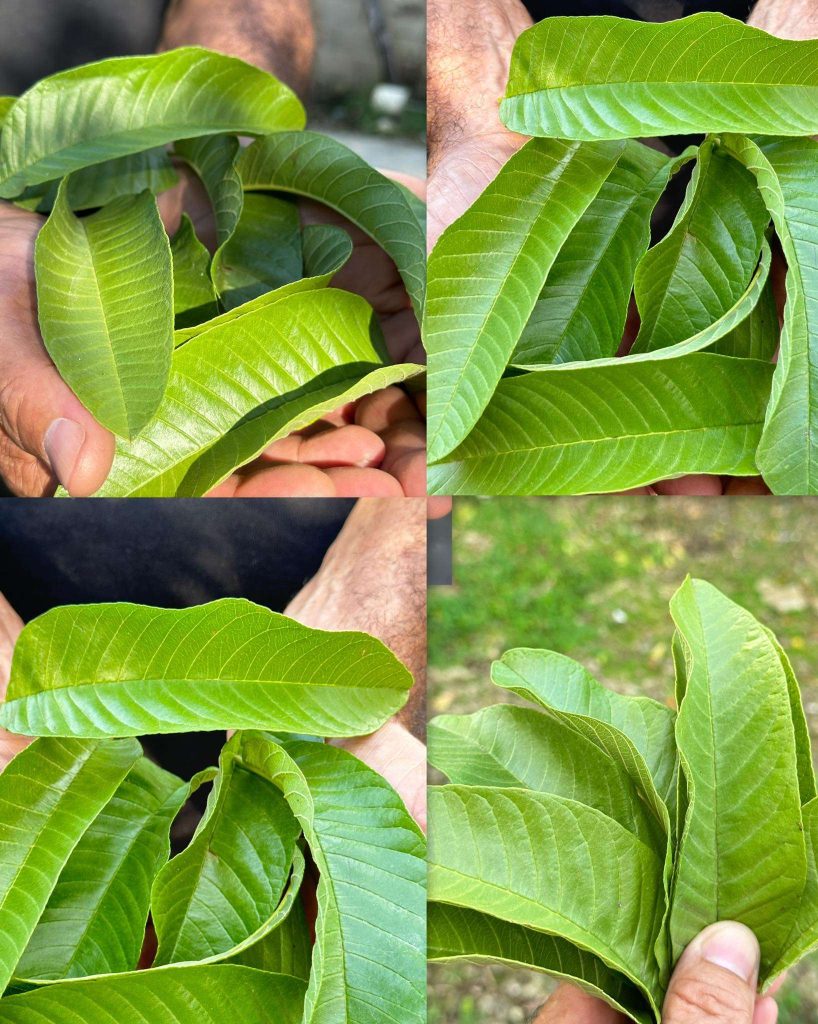
Unlocking Nature's Pharmacy: The Remarkable Benefits of Guava Leaves 🍃
 Espanol
Often overshadowed by its sweet, fragrant fruit, the humble guava leaf is a powerhouse of wellness hiding in plain sight. 🌿 For centuries, traditional medicine systems have harnessed its potent properties, and modern science is now catching up, validating what many cultures have long known. This article delves deep into the extensive health and practical benefits of Psidium guajava leaves, moving beyond superficial claims to provide you with a comprehensive, actionable guide. From metabolic health to radiant skin, discover how this readily available leaf can become a valuable ally in your daily wellness routine.
Espanol
Nutritional Powerhouse: What's Inside the Leaf? 🔬
Guava leaves are rich in bioactive compounds that drive their therapeutic effects. They are an excellent source of powerful antioxidants like flavonoids (particularly quercetin) and phenols, which combat oxidative stress in the body. They also contain essential oils, tannins, and saponins. Notably, they possess significant amounts of vitamins, especially Vitamin C, and minerals like potassium, although in different proportions than the fruit. This unique phytochemical profile is the foundation for their wide-ranging benefits, acting as a natural anti-inflammatory, antimicrobial, and anti-glycemic agent.
Blood Sugar Regulation and Metabolic Health ⚖️
One of the most researched and promising benefits of guava leaves is their positive impact on blood sugar levels. Studies suggest that compounds in the leaves inhibit the absorption of certain types of sugars in the bloodstream, such as maltose and sucrose. Drinking guava leaf tea after meals may help prevent blood sugar spikes. Furthermore, the leaves appear to improve insulin sensitivity and reduce insulin resistance, making them a valuable supportive tool for managing type 2 diabetes and metabolic syndrome. 🩺 Always consult with a healthcare provider before using it as part of a diabetes management plan.
A Friend to Your Digestive System 🤢➡️😊
Guava leaves have been a go-to remedy for gastrointestinal issues for generations. Their strong antimicrobial and anti-inflammatory properties help combat harmful bacteria like Salmonella and E. coli while soothing the gut lining. This makes guava leaf extract or tea effective in relieving symptoms of diarrhea, dysentery, and food poisoning. The leaves also contain compounds that may reduce intestinal secretion and slow down gut motility. For occasional stomach upsets or as a preventative digestive tonic, a warm cup of guava leaf tea can be remarkably soothing.
Boosting Heart Health and Cholesterol Profile ❤️
Supporting cardiovascular health is another key benefit. The antioxidants in guava leaves help protect the heart from oxidative damage. More importantly, regular consumption of guava leaf tea has been linked to improved lipid profiles: reducing "bad" LDL cholesterol and triglycerides while increasing "good" HDL cholesterol. The leaves also have a mild antihypertensive effect, helping to lower blood pressure by improving blood vessel elasticity and function. Incorporating this tea into a heart-healthy lifestyle can be a simple, natural supportive measure.
Enhancing Skin Health and Fighting Aging 🧴✨
Your skin can reap significant rewards from guava leaves, both internally and topically. The high antioxidant content fights free radicals that cause wrinkles and loss of elasticity. Their anti-inflammatory and antimicrobial qualities make them excellent for treating acne, dark spots, and skin infections. You can create a simple facial toner by boiling leaves, cooling the water, and applying it to your face with a cotton pad. For scalp health and to combat dandruff, a cooled guava leaf rinse can work wonders. It’s a true, multi-purpose skincare ingredient from nature’s cabinet.
Weight Management and Appetite Support ⚡
For those on a weight management journey, guava leaves offer helpful support. The tea is naturally calorie-free and can create a feeling of fullness, potentially reducing overall calorie intake when consumed before meals. Furthermore, by helping to regulate blood sugar and prevent sharp insulin spikes, the leaves can minimize cravings for sugary snacks. While not a magic solution, using guava leaf tea as part of a balanced diet and exercise regimen can provide a helpful metabolic nudge and discourage overeating.
Practical Ways to Use Guava Leaves 🍵
To incorporate guava leaves into your life, the most common method is to prepare a tea or infusion.
- 🫖 Guava Leaf Tea: Rinse 5-10 fresh, organic leaves (or 1 tablespoon of dried leaves). Gently crush them to release oils. Boil in 1-2 cups of water for 10-15 minutes. Strain, allow to cool slightly, and enjoy. You can add honey or lemon for taste.
- 🌿 Topical Applications: Use the cooled tea as a skin toner, acne spot treatment, or hair rinse. A paste of crushed leaves can be applied directly to wounds or insect bites for its antiseptic effect.
- 💊 Supplements: Guava leaf extract is also available in capsule or tincture form for a concentrated dose. Ensure you purchase from a reputable source.
Start with a small amount to assess tolerance, and remember that natural remedies are meant to complement, not replace, professional medical advice.
Conclusion: Embracing a Leaf of Many Virtues 🌟
From supporting stable blood sugar and a happy gut to promoting clear skin and a strong heart, the benefits of guava leaves are both diverse and profound. 🍃 This article has moved beyond myth to explore the science-backed advantages of this accessible natural resource. While powerful, it's crucial to approach it as a supportive element within a holistic health framework. We encourage you to explore its uses mindfully, perhaps starting with a simple cup of tea, and consult a healthcare professional for personalized guidance, especially if you have underlying conditions or are on medication. The guava tree offers more than just fruit; it offers leaves brimming with wellness potential, waiting to be thoughtfully integrated into your journey toward better health.
Deja una respuesta