Benefits of Guava Leaves
 Espanol
Espanol
The Hidden Power in Your Garden: Unveiling the Benefits of Guava Leaves
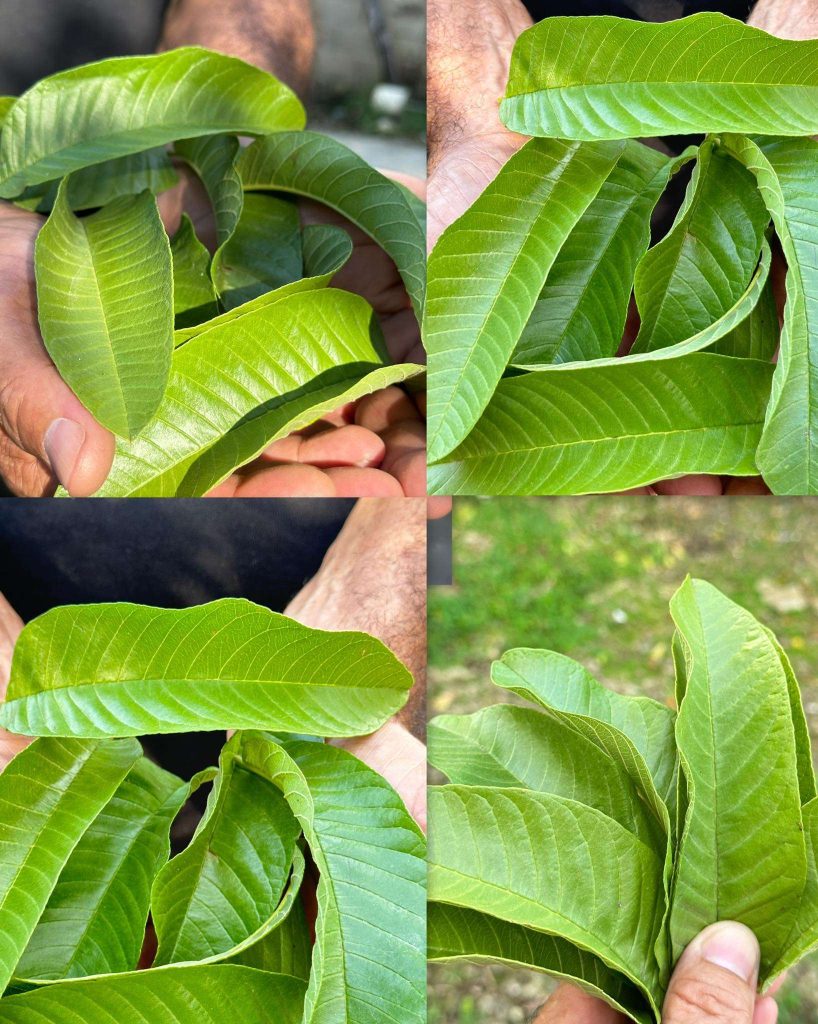
When we think of the guava tree, our minds often jump straight to its delicious, vitamin-C-packed fruit. 🍈 However, lurking just out of the spotlight are its verdant, glossy leaves, which have been a cornerstone of traditional medicine for centuries. Often discarded, these leaves are a veritable treasure trove of health-promoting compounds. This article will delve deep into the science and practical applications behind guava leaves, transforming your perspective from seeing them as mere foliage to recognizing them as a potent, natural wellness aid. Let's explore the multifaceted benefits and learn how to harness their power effectively and safely.
🌿 A Nutritional Powerhouse: What's Inside Guava Leaves?
Guava leaves (Psidium guajava) are loaded with bioactive substances that contribute to their therapeutic effects. They are exceptionally rich in powerful antioxidants like quercetin, flavonoids, and carotenoids, which combat oxidative stress—a key driver of aging and chronic diseases. Furthermore, they contain anti-inflammatory compounds such as tannins and saponins, along with essential vitamins (notably vitamin C and B-complex) and minerals like iron, magnesium, and potassium. This unique phytochemical profile is the foundation for their wide-ranging health applications, from blood sugar regulation to skin rejuvenation.
💊 Top Evidence-Based Health Benefits of Guava Leaf
The traditional uses of guava leaf are now being validated by modern scientific research. Here are some of the most compelling, evidence-backed benefits:
1. Blood Sugar Management: Several studies indicate that guava leaf tea can help lower blood glucose levels and improve insulin resistance. The compounds in the leaves inhibit the absorption of certain types of sugars in the intestine, making it a valuable supportive natural remedy for managing type 2 diabetes. However, it's crucial to consult with a healthcare provider before using it alongside prescribed medications. 🩺
2. Digestive Health Champion: Renowned for its anti-diarrheal and antimicrobial properties, guava leaf extract can inhibit harmful gut bacteria like Staphylococcus aureus and Salmonella. Drinking guava leaf tea can soothe stomach aches, reduce the duration of diarrhea, and even help with symptoms of dysentery. It also acts as a mild carminative, helping to relieve bloating and gas. 🤢➡️😌
3. Heart Health Ally: By helping to lower "bad" LDL cholesterol and triglycerides, and potentially reducing blood pressure, guava leaves support cardiovascular function. The high potassium content aids in balancing sodium levels and regulating blood pressure, while the antioxidants protect the heart from oxidative damage. ❤️
4. Skin and Hair Elixir: Applied topically, guava leaf paste or rinse can work wonders. Its antimicrobial and anti-inflammatory properties make it effective against acne, blackheads, and skin infections. For hair, it can strengthen follicles, reduce dandruff, and is sometimes used to slow down premature graying. The vitamin C also boosts collagen production, promoting skin elasticity. ✨
5. Immune System Boost and Cold Relief: The high concentration of vitamin C and antioxidants provides a solid boost to the immune system. Drinking warm guava leaf tea during a cold or flu can help relieve coughs, soothe a sore throat (due to its anti-inflammatory action), and reduce mucus congestion. It's a comforting, natural remedy for respiratory discomfort. 🤧
🫖 How to Use Guava Leaves: Practical Methods and Recipes
To integrate guava leaves into your wellness routine, here are the most common and effective methods:
Guava Leaf Tea (Infusion): This is the simplest and most popular method. Take 5-10 fresh, clean leaves (or 1 tablespoon of dried leaves) and steep them in a cup of hot water for 5-10 minutes. Strain and enjoy. You can add honey, ginger, or lemon for flavor. For optimal benefits, drink 1-2 cups daily, preferably between meals.
Topical Applications: For skin issues, crush fresh leaves into a fine paste with a little water and apply it to the affected area. Leave it on for 10-15 minutes before rinsing. For a hair rinse, boil a handful of leaves in a liter of water for 20 minutes, let it cool, and use it as a final rinse after shampooing.
Extract and Supplements: For a more concentrated dose, standardized guava leaf extract is available in capsule or tincture form. Always follow the dosage instructions on the supplement label or those provided by a healthcare professional.
⚠️ Important Precautions and Side Effects
While guava leaves are generally safe for most people, responsible use is key. Pregnant and breastfeeding women should avoid therapeutic doses due to a lack of sufficient safety data. As mentioned, individuals with diabetes must monitor their blood sugar closely, as the leaves can potentiate the effect of medication, risking hypoglycemia. Allergic reactions, though rare, are possible. The golden rule is to start with a small amount to see how your body reacts and consult a doctor if you have pre-existing conditions or are on medication. 🩺
🎯 Conclusion: Embracing Nature's Pharmacy
Guava leaves are far more than just tree decoration; they are a potent, accessible, and versatile natural remedy with a robust historical and growing scientific pedigree. From regulating metabolism and aiding digestion to enhancing skin beauty and fortifying the heart, their benefits are impressively broad. By learning to prepare and use guava leaf tea or topical applications safely, you can unlock a powerful ally in your journey toward holistic health. Remember, natural supplements complement but do not replace a balanced diet, exercise, or professional medical advice. Why not take a step into nature's pharmacy and brew your first cup of guava leaf tea today? Your body might just thank you for it. 🌿☕
Deja una respuesta