Benefits of Guava Leaves
 Espanol
Espanol
Espanol
Have you ever considered that the humble guava tree, often celebrated for its delicious fruit, might be hiding its most valuable secret in its leaves? 🌿 Often overlooked, guava leaves are a powerhouse of nutrients and bioactive compounds that have been used for centuries in traditional medicine across tropical regions. This article will explore the remarkable health benefits of guava leaves, backed by growing scientific interest, and provide you with practical ways to incorporate them into your wellness routine. Let's dive into the green treasure trove that is the guava leaf.
The Nutritional Powerhouse: What's Inside a Guava Leaf? 🔬
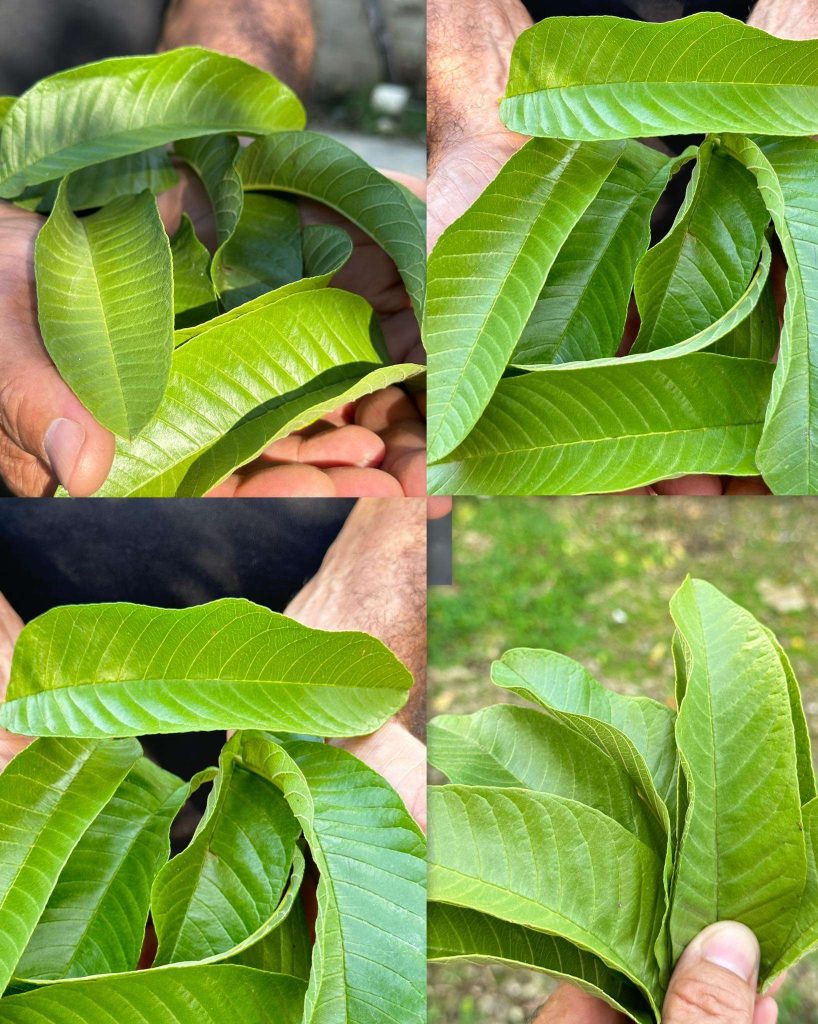
Guava leaves (Psidium guajava) are rich in antioxidants, anti-inflammatory agents, and antibacterial compounds. Key bioactive substances include quercetin, lycopene, and vitamin C, as well as beneficial compounds like flavonoids and tannins. This potent combination is responsible for most of their therapeutic effects. Unlike the fruit, the leaves have a low sugar content, making their benefits accessible without impacting blood glucose levels significantly.
Blood Sugar Regulation and Diabetes Support 🩺
One of the most well-researched benefits of guava leaves is their positive effect on blood sugar management. Studies suggest that compounds in the leaves can inhibit the absorption of certain types of sugars in the blood, such as maltose and sucrose. Drinking guava leaf tea after meals may help prevent blood sugar spikes. It is crucial to consult with a healthcare provider before using it as a complementary approach to diabetes management, as it may interact with medication.
Promoting Digestive Health and Relieving Discomfort 🤢➡️🤗
Guava leaves have been traditionally used to soothe various digestive issues. Their antibacterial properties can help combat harmful gut bacteria like Staphylococcus aureus and E. coli, potentially reducing food poisoning risk and bloating. Furthermore, their anti-inflammatory qualities can alleviate symptoms of gastritis and acid reflux. For a quick remedy, a warm cup of guava leaf tea can calm an upset stomach and reduce diarrhea.
Heart Health and Cholesterol Management ❤️
Supporting cardiovascular health is another significant advantage. The leaves may help lower "bad" LDL cholesterol and triglycerides while maintaining "good" HDL cholesterol, thanks to their high antioxidant content. This action helps prevent the oxidation of cholesterol, a key step in the formation of arterial plaque. By promoting healthier blood lipid profiles and potentially lowering blood pressure, guava leaves contribute to a reduced risk of heart disease and stroke.
Skin, Hair, and Anti-Aging Benefits ✨
The benefits extend to external applications as well. The antioxidants, particularly vitamin C, fight free radicals that cause skin aging and damage. Applying a cooled guava leaf tea rinse or paste can:
- Treat acne and reduce inflammation due to its antibacterial properties.
- Speed up the healing of minor wounds, cuts, and insect bites.
- Strengthen hair follicles and potentially reduce hair loss when used as a final scalp rinse.
It's a natural, multi-purpose addition to your beauty regimen.
Boosting Immunity and Fighting Infections 🛡️
In today's world, a robust immune system is paramount. The high vitamin C content in guava leaves—often higher than in the fruit itself—stimulates the production of white blood cells, the body's primary defense. Their antimicrobial and anti-inflammatory effects make them a useful ally against common colds, sore throats, and gum disease. Gargling with guava leaf tea can effectively reduce oral pathogens and soothe throat pain.
Practical Ways to Use Guava Leaves at Home 🏡
Incorporating guava leaves into your life is simple and cost-effective. The most common method is to prepare a tea:
- Wash 5-10 fresh, organic guava leaves thoroughly (or use 1 tablespoon of dried leaves).
- Boil them in 1 liter of water for about 10 minutes.
- Strain the liquid and let it cool slightly.
- Enjoy the tea warm or cold. You can add a hint of honey or lemon for taste, but it's best consumed without sugar to maximize benefits.
You can also find guava leaf extract in supplement form (capsules or tinctures), but always choose reputable brands and follow dosage instructions. For topical use, create a paste or use the cooled tea as a toner or rinse.
Important Precautions and Final Thoughts ⚠️
While guava leaves are generally safe for most people, moderation is key. Pregnant and breastfeeding women should avoid therapeutic doses without medical approval. Due to their blood sugar-lowering effects, individuals with diabetes or those scheduled for surgery should monitor their levels closely and inform their doctor. Start with small amounts to see how your body reacts. Remember, they are a complementary wellness tool, not a replacement for a balanced diet, exercise, or prescribed medical treatment.
In conclusion, guava leaves are far more than just tree foliage; they are a versatile, natural remedy with a spectrum of proven benefits. From regulating blood sugar and aiding digestion to enhancing skin health and fortifying the immune system, this readily available resource is a testament to nature's pharmacy. 🌿 By integrating guava leaf tea or extract into your routine wisely, you can harness these ancient benefits for modern well-being. Why not brew your first cup today and take a step toward a healthier, more natural lifestyle?
Deja una respuesta