Benefits of Guava Leaves
 Espanol
Espanol
In the world of natural wellness, few remedies are as humble yet as powerful as the leaves of the guava tree (Psidium guajava). 🌿 While the sweet, pulpy fruit often steals the spotlight, the verdant leaves have been a cornerstone of traditional medicine across various cultures for centuries. Modern science is now catching up, validating many of their long-touted health benefits. This article delves into the practical, evidence-backed advantages of incorporating guava leaves into your wellness routine, offering a professional yet friendly guide to harnessing their potential. Let's explore how these simple leaves can contribute to a healthier you.
Beyond the Fruit: Unveiling the Power of the Leaf 🍃
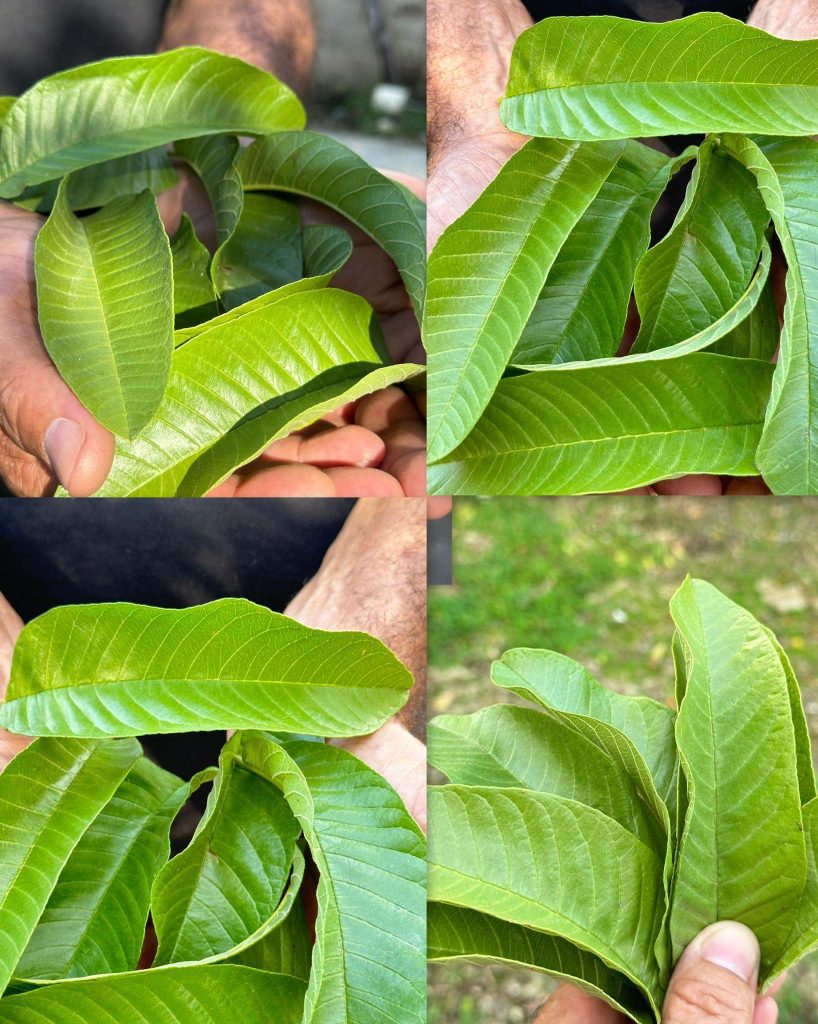
Guava leaves are a nutritional powerhouse, packed with potent antioxidants like quercetin and flavonoids, along with anti-inflammatory and antimicrobial compounds. Unlike the fruit, the leaves are typically not eaten raw but are used to make tea, extracts, or topical applications. Their bioactive properties are what make them so valuable for addressing a range of health concerns, from metabolic issues to skin care.
Key Health Benefits of Guava Leaves: A Deep Dive
The applications of guava leaves are impressively broad. Here, we break down the most significant benefits supported by both tradition and growing scientific research.
1. Blood Sugar Regulation and Diabetes Support 📉
One of the most celebrated benefits of guava leaf tea is its potential to help manage blood sugar levels. Compounds in the leaves inhibit the absorption of certain types of sugars in the blood, such as maltose and sucrose. Drinking guava leaf tea after meals may help prevent blood sugar spikes. Some studies suggest it can also improve insulin resistance, making it a valuable complementary approach for those managing type 2 diabetes. However, it is crucial to consult with a healthcare provider before using it alongside prescribed medication.
2. Digestive Health and Relief from Discomfort 🤢➡️😌
Guava leaves have strong antimicrobial and anti-inflammatory properties that can soothe the digestive tract. They are particularly effective against common culprits of digestive upset. Drinking guava leaf tea can help alleviate symptoms of diarrhea, reduce stomach cramps, and even combat food poisoning by targeting harmful bacteria like Staphylococcus aureus. For a settling cup of digestive tea, steep 5-6 washed leaves in hot water for about 10 minutes.
3. A Boost for Heart Health ❤️
Supporting cardiovascular wellness is another key benefit. The leaves can help lower "bad" LDL cholesterol and triglycerides while potentially raising "good" HDL cholesterol, thanks to their high antioxidant content. Furthermore, the antihypertensive properties may contribute to lowering blood pressure. By improving lipid profiles and reducing oxidative stress in the bloodstream, guava leaves support overall heart function and circulatory health.
4. Enhancing Skin and Hair Beauty ✨
The benefits aren't just internal. The antimicrobial and anti-inflammatory traits make guava leaves excellent for topical use. A cooled guava leaf tea rinse or paste can combat acne, reduce skin redness, and slow down the appearance of aging by fighting free radicals. For hair, it may help with dandruff and strengthen the hair follicles to reduce hair loss. Apply cooled guava leaf tea to your scalp and hair after washing as a final rinse for a nourishing treatment.
5. Immune System and Anti-Cold Properties 🛡️
Packed with vitamin C and antioxidants, guava leaves are fantastic for fortifying the immune system. Drinking the tea at the first sign of a cold or sore throat can provide relief—its antimicrobial action fights infection, while its anti-inflammatory effect soothes a cough and painful throat. It acts as a natural expectorant, helping to clear mucus from the respiratory tract.
Practical Ways to Use Guava Leaves at Home
Incorporating guava leaves into your life is simple and cost-effective. Here are the most common methods:
Guava Leaf Tea: This is the most popular method. Wash 5-10 fresh leaves (or use 1 tablespoon of dried leaves). Crush them slightly to release the oils, then steep in a cup of boiling water for 5-10 minutes. Strain and enjoy. You can drink 1-2 cups daily. 🍵
Topical Application: For skin or hair, prepare a stronger decoction by boiling a handful of leaves in a liter of water for 15-20 minutes. Let it cool completely, then use it as a face wash, skin toner, or hair rinse.
Extract and Powder: Concentrated extracts and powders are available as supplements. Always follow dosage instructions and choose reputable brands.
Important Considerations and Precautions ⚠️
While generally safe for most people, consider these points:
- Pregnancy and Breastfeeding: There is insufficient data on its safety, so it's best to avoid medicinal use during these periods.
- Medication Interaction: Due to its effects on blood sugar, those on diabetes medication must use it under medical supervision to avoid hypoglycemia.
- Allergies: Those allergic to plants in the Myrtle family should exercise caution.
- Start Slowly: Begin with small amounts to see how your body reacts.
Conclusion: A Leaf Worth Exploring
The unassuming guava leaf proves that true value often lies beyond the obvious. 🌟 From regulating blood sugar and aiding digestion to promoting radiant skin and a stronger heart, its benefits are both diverse and profound. As we've seen, it offers a natural, accessible complement to a healthy lifestyle. While not a substitute for professional medical advice or treatment, guava leaf tea and extracts represent a time-honored remedy that modern science continues to appreciate. We encourage you to explore its potential—brew a cup, experience its earthy flavor, and discover how this ancient leaf can contribute to your modern wellness journey. Start simple, listen to your body, and consult a professional for personalized guidance.
Deja una respuesta