Benefits of Guava Leaves
 Espanol
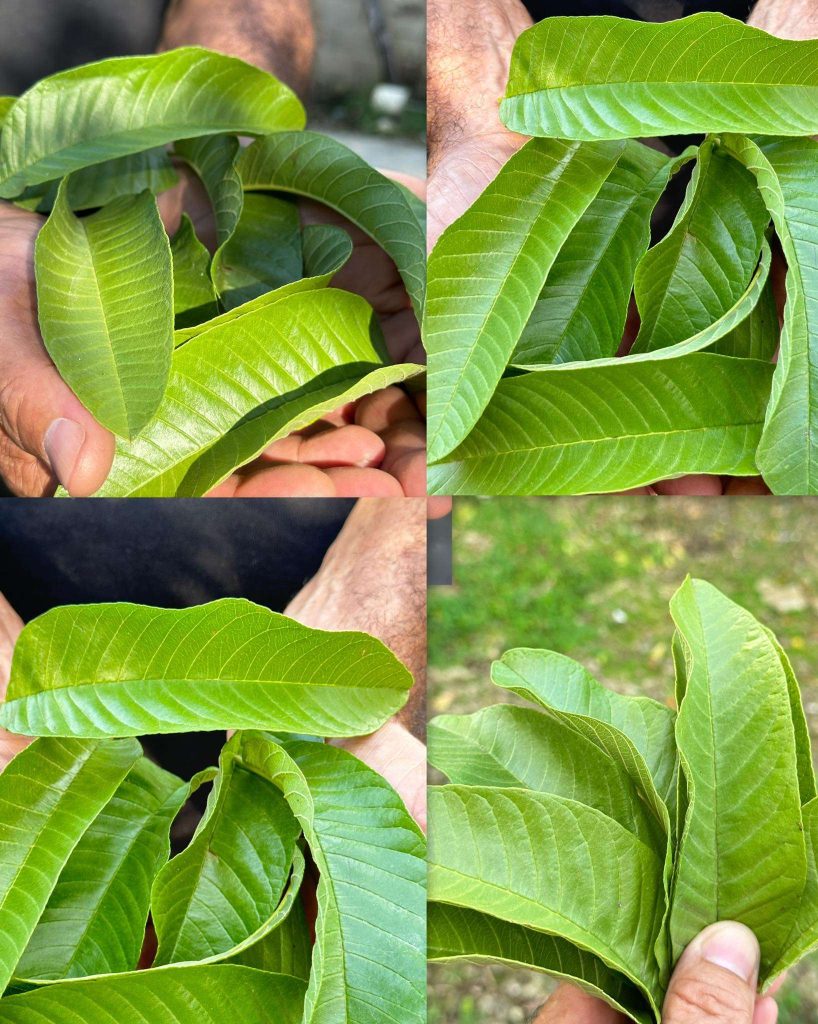
Welcome to a deep dive into one of nature's most versatile and often underrated gifts: the guava leaf 🌿. While the sweet, fragrant guava fruit rightfully enjoys its fame, the leaves of the *Psidium guajava* tree hold a treasure trove of health benefits that have been utilized in traditional medicine for centuries. This article will explore the science-backed advantages of incorporating guava leaves into your wellness routine, offering practical tips and clear insights. Get ready to discover why these humble leaves deserve a prominent place in your natural health arsenal.
Espanol
Nutritional Powerhouse: What's Inside the Leaf? 🧪
Before diving into the specific benefits, it's crucial to understand what makes guava leaves so special. They are packed with a potent mix of bioactive compounds, including powerful antioxidants like quercetin and flavonoids, essential vitamins (notably Vitamin C and B vitamins), and beneficial minerals such as iron and potassium. Furthermore, they possess significant anti-inflammatory, antimicrobial, and anti-diabetic properties, largely attributed to compounds like tannins, saponins, and carotenoids. This rich phytochemical profile is the foundation for their wide-ranging health applications.
Top Health Benefits of Guava Leaves Unveiled 💚
Let's explore the specific, evidence-supported ways guava leaves can enhance your health.
1. Blood Sugar Regulation: One of the most celebrated benefits is their positive effect on blood glucose levels. Studies suggest that guava leaf tea can inhibit the absorption of certain types of sugars in the blood, such as maltose and sucrose. Drinking guava leaf tea after meals may help prevent blood sugar spikes, making it a valuable supportive tool for individuals managing insulin resistance or type 2 diabetes. However, it should complement, not replace, medical advice.
2. Digestive Health Champion: Guava leaves are excellent for your gut. Their anti-microbial properties can help combat harmful bacteria like *Staphylococcus aureus* and *E. coli*, potentially reducing the risk of food poisoning and bacterial diarrhea. The anti-inflammatory nature also soothes the gastrointestinal tract, alleviating symptoms of conditions like gastritis and acid reflux. A cup of warm guava leaf tea can calm an upset stomach and promote healthy digestion. 🫖
3. Heart Health Support: The combination of potassium, soluble fiber, and antioxidants in guava leaves contributes to cardiovascular well-being. Potassium helps regulate blood pressure by counteracting the effects of sodium, while the antioxidants help reduce oxidative stress and inflammation in the arteries. Some research indicates that long-term consumption of guava leaf extract may help lower "bad" LDL cholesterol and triglycerides.
4. Skin and Hair Elixir: 🧴 The antioxidant and antimicrobial benefits extend topically. Applying cooled guava leaf tea or a paste to the skin can help reduce acne, inflammation, and signs of aging. It may also accelerate wound healing due to its bioactive compounds. For hair, a guava leaf rinse is traditionally used to strengthen hair follicles, combat dandruff, and prevent hair loss, thanks to its nutrient content that nourishes the scalp.
5. Weight Management Aid: Guava leaves contain compounds that may help prevent the conversion of complex carbohydrates into sugars, which the body uses for energy or stores as fat. By helping to regulate blood sugar and improving metabolism, guava leaf tea can be a supportive element in a holistic weight management plan, especially when combined with a balanced diet and exercise.
Practical Guide: How to Use Guava Leaves 🍃
Knowing the benefits is one thing; applying them is another. Here are simple, effective ways to harness the power of guava leaves.
Guava Leaf Tea (Infusion): This is the most common and versatile method. Rinse 5-10 fresh, organic leaves (or 1 tablespoon of dried leaves). Lightly crush them to release their essence and add to a cup of boiling water. Cover and let it steep for 5-10 minutes. Strain and enjoy. You can drink it warm or cold. For best results, consume 1-2 cups daily, preferably after meals.
Topical Applications: For skin and hair, prepare a strong tea by boiling a handful of leaves in water for 15-20 minutes. Let it cool completely. Use it as a facial toner with a cotton pad, a hair rinse after shampooing, or apply the wet leaves directly as a poultice on minor skin irritations.
Important Consideration: Always source leaves from trees not treated with pesticides. If you have a known allergy to guava, are pregnant, breastfeeding, or on medication (especially for diabetes or blood thinners), consult your healthcare provider before making guava leaves a regular part of your regimen. ⚠️
Conclusion: Embracing Nature's Green Pharmacy
In summary, guava leaves are far more than just tree foliage; they are a multifaceted natural remedy with proven benefits for blood sugar control, digestive health, heart function, skin vitality, and metabolic support. By incorporating a simple practice like drinking guava leaf tea, you can tap into this ancient wisdom backed by modern science. Remember, the key to natural wellness is consistency and integration into a healthy lifestyle. We encourage you to explore this gentle yet powerful botanical, starting with a single cup of tea, and observe the positive changes it can bring to your holistic health journey. Here's to discovering the profound benefits hidden in plain sight! 🌟
Deja una respuesta