Benefits of Guava Leaves
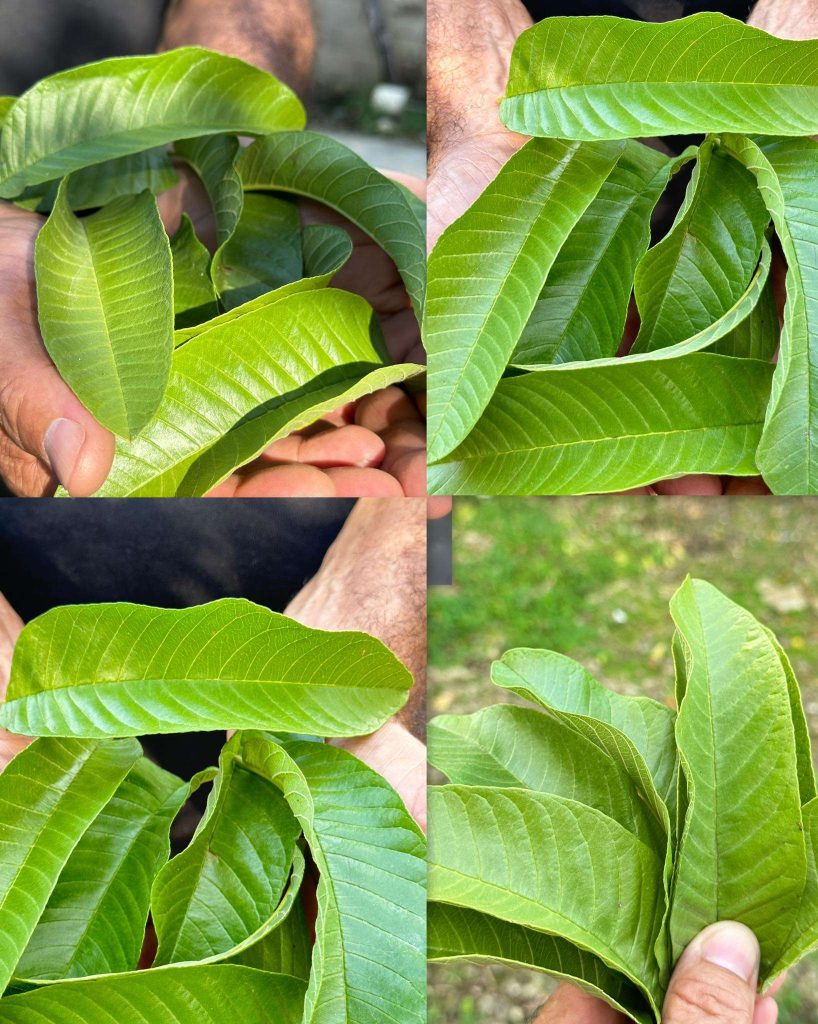
The Humble Powerhouse: Unveiling the Remarkable Benefits of Guava Leaves 🍃
 Espanol
Often overshadowed by its sweet, vitamin C-rich fruit, the guava tree (Psidium guajava) holds a secret in its unassuming foliage. For centuries, guava leaves have been a cornerstone in traditional medicine systems across tropical and subtropical regions. Today, modern science is beginning to validate what ancient healers knew: these simple leaves are packed with bioactive compounds that offer a multitude of health benefits. This article delves into the science-backed advantages of guava leaves, transforming them from garden waste into a valuable addition to your wellness toolkit. Get ready to discover why you should think twice before discarding these potent leaves.
Espanol
A Treasure Trove of Nutrients and Antioxidants 🛡️
Guava leaves are a rich source of vitamins (notably B vitamins like niacin), minerals, and powerful antioxidant compounds. They contain flavonoids like quercetin, as well as essential oils and tannins. These substances are the key players behind their therapeutic effects. The high antioxidant content is crucial for combating oxidative stress, a process linked to chronic inflammation, premature aging, and various diseases. By neutralizing free radicals, the compounds in guava leaves help protect your cells from damage, supporting overall long-term health.
Supporting Digestive Wellness and Soothing Discomfort 🤢➡️😌
One of the most celebrated uses of guava leaves is for digestive health. Their antimicrobial and anti-inflammatory properties can help manage common issues. Research suggests they may be effective against harmful gut bacteria like Staphylococcus aureus and E. coli, which are often responsible for food poisoning and diarrhea. For acute diarrhea, a tea made from guava leaves may help reduce abdominal pain and slow stool frequency. Furthermore, the leaves contain compounds that can inhibit the activity of specific digestive enzymes, which may help in managing symptoms of conditions like fructose malabsorption.
A Natural Ally in Blood Sugar Management 📊
This is an area of significant interest. Several studies indicate that guava leaf tea can help improve insulin resistance and lower blood sugar levels. The leaves appear to influence the enzymes responsible for carbohydrate breakdown in the digestive system, slowing the absorption of sugars like sucrose and maltose into the bloodstream. For individuals with prediabetes or type 2 diabetes, incorporating guava leaf tea (under medical guidance) could be a supportive dietary measure. It is not a replacement for medication but may contribute to a more stable glycemic profile when combined with a healthy diet and exercise.
Boosting Heart Health and Cholesterol Profile ❤️
The benefits of guava leaves extend to your cardiovascular system. The antioxidants help protect the heart from oxidative damage, while other compounds may positively influence cholesterol levels. Evidence points to guava leaf extract helping to lower "bad" LDL cholesterol and triglycerides while raising "good" HDL cholesterol. This lipid-balancing effect, coupled with a potential mild blood pressure-lowering action (due to their potassium content and vasodilating properties), makes guava leaves a heart-friendly herbal supplement.
Enhancing Skin, Hair, and Oral Health ✨
The anti-inflammatory and antimicrobial power of guava leaves isn't just for internal use. Topically, a cooled guava leaf decoction can be used as a rinse or compress for various skin conditions:
- Acne and Skin Infections: Apply the liquid to affected areas to reduce redness and fight bacteria.
- Hair Loss and Dandruff: Rinsing your scalp with guava leaf tea may strengthen hair follicles and reduce flakiness.
- Oral Health: Chewing on clean, young leaves or using the tea as a mouthwash can relieve toothache, soothe inflamed gums, and combat bad breath thanks to its astringent and antimicrobial qualities.
How to Incorporate Guava Leaves into Your Routine: Practical Tips ☕
To harness these benefits, the most common and effective method is to prepare guava leaf tea.
Here is a simple guide:
1. Harvest or purchase organic, pesticide-free guava leaves. Young, bright green leaves are often preferred.
2. Wash 5-10 fresh leaves thoroughly (or use 1 tablespoon of dried leaves).
3. Boil the leaves in about 1 liter (4 cups) of water for 10-15 minutes.
4. Strain the liquid and allow it to cool.
5. You can drink the tea warm or cold. A cup daily is a typical starting point. The taste is earthy, slightly bitter, and herbaceous—you may add a hint of raw honey or lemon if desired.
Important: While generally safe, it is crucial to consult with a healthcare professional before using it therapeutically, especially if you are pregnant, breastfeeding, on medication (particularly for diabetes or blood thinners), or have a scheduled surgery.
Conclusion: Embracing Nature's Pharmacy 🌿
From aiding digestion and blood sugar control to promoting radiant skin and a healthier heart, guava leaves prove that nature often provides powerful remedies in the most unexpected places. They are a testament to the holistic wisdom of traditional medicine, now being illuminated by scientific inquiry. While not a magical cure-all, they represent a supportive, natural adjunct to a balanced lifestyle. By understanding and utilizing the multifaceted benefits of guava leaves, you can tap into an accessible, cost-effective resource for enhanced well-being. So, the next time you see a guava tree, remember that its true value extends far beyond its delicious fruit.
Deja una respuesta