Benefits of Guava Leaves
 Espanol
Espanol
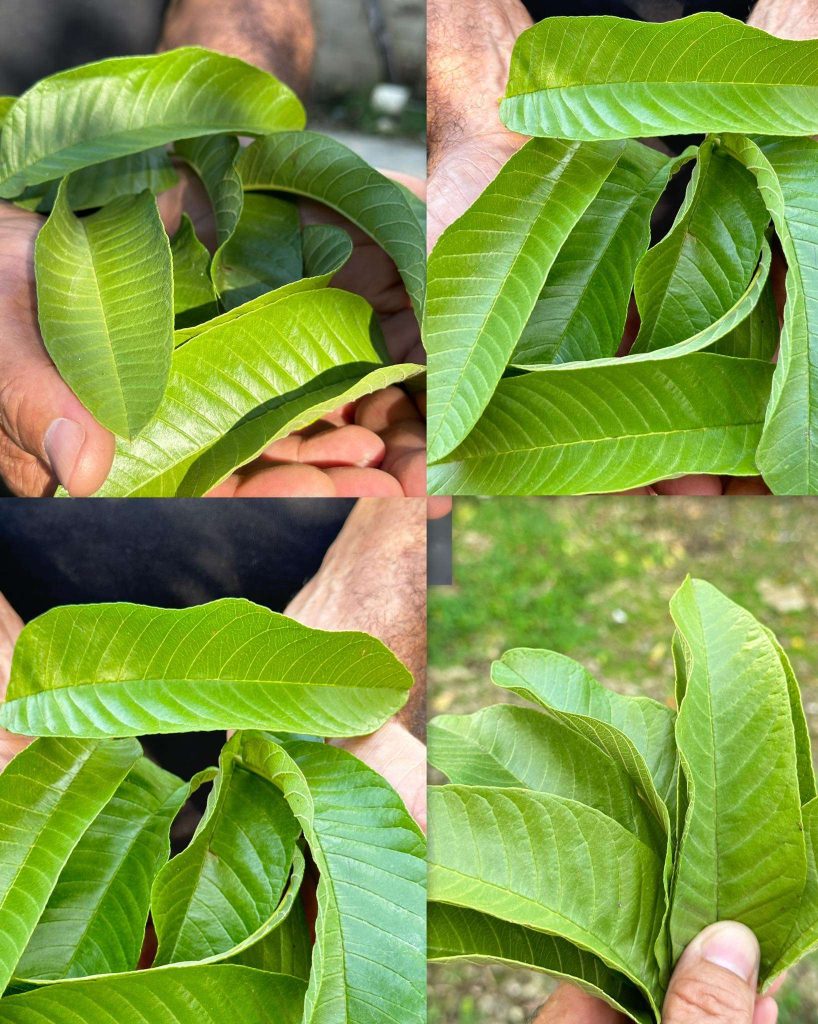
Unlocking Nature's Pharmacy: The Remarkable Benefits of Guava Leaves 🌿
Often overshadowed by the delicious, vitamin-C-packed fruit, the humble guava leaf is a powerhouse of wellness hiding in plain sight. 🍃 For centuries, these aromatic leaves have been a staple in traditional medicine across tropical regions, and modern science is now catching up to validate their impressive health-promoting properties. This article delves deep into the science-backed and traditional benefits of guava leaves, offering you a comprehensive guide to harnessing their potential for improved health and well-being. Let's explore how these simple leaves can become a valuable addition to your natural health toolkit.
Nutritional Powerhouse: What's Inside a Guava Leaf? 🔬
Guava leaves (Psidium guajava) are brimming with bioactive compounds that contribute to their therapeutic effects. They are rich in antioxidants like quercetin and flavonoids, which combat oxidative stress and inflammation in the body. They also contain essential oils, tannins (like gallic acid), and beneficial compounds such as triterpenoids. Furthermore, the leaves possess significant amounts of vitamin C and B vitamins, along with minerals like potassium and magnesium. This potent combination is what makes guava leaf tea, extracts, and topical applications so effective for a wide array of health concerns.
Top Health & Wellness Benefits Explored
The applications of guava leaves are surprisingly broad, addressing issues from metabolic health to skin care. Here are some of the most significant, research-supported benefits.
Blood Sugar Regulation and Diabetes Management 🩸
One of the most celebrated benefits of guava leaves is their ability to help regulate blood sugar levels. Compounds in the leaves inhibit the absorption of certain types of sugars (like maltose and sucrose) in the intestine. More importantly, they may improve insulin sensitivity and help manage type 2 diabetes. Drinking guava leaf tea after meals may help prevent blood sugar spikes. While it is not a replacement for prescribed medication, it can be a valuable complementary dietary strategy under a doctor's guidance. 📊
Digestive Health and Gut Relief 🤢
If you suffer from digestive discomfort, guava leaves might offer relief. Their antimicrobial and anti-inflammatory properties can help combat harmful gut bacteria like Staphylococcus aureus and Salmonella, which are responsible for many digestive infections. The leaves are also known to alleviate symptoms of diarrhea and dysentery by reducing the frequency of stools and abdominal pain. A cup of warm guava leaf tea can be a soothing remedy for an upset stomach or food poisoning. 🍵
Heart Health and Cholesterol Support ❤️
Supporting cardiovascular health is another key area where guava leaves shine. The antioxidants help protect the heart from oxidative damage, while the leaves' properties may contribute to lowering "bad" LDL cholesterol and triglycerides, and raising "good" HDL cholesterol. They also have a mild antihypertensive effect, which can help manage blood pressure. Incorporating guava leaf tea into a heart-healthy lifestyle that includes a balanced diet and exercise can provide added protective benefits. 🏃♂️
Skin, Hair, and Anti-Aging Applications ✨
Don't just ingest guava leaves—apply them topically! Their antiseptic and anti-inflammatory qualities make them excellent for treating acne, blackheads, and skin irritation. A simple paste or toner made from boiled leaves can reduce redness and fight acne-causing bacteria. The antioxidants also combat free radicals that cause premature aging, potentially reducing the appearance of wrinkles. For hair, a leaf decoction used as a rinse can strengthen hair follicles, combat dandruff, and promote healthier scalp conditions. 🧴
Weight Management and Metabolic Boost ⚖️
For those on a weight management journey, guava leaves can be a helpful ally. They prevent complex carbohydrates from converting into sugars, which can promote satiety and reduce cravings. This, combined with their blood sugar stabilizing effect, can help curb unnecessary snacking. The leaves may also give a slight boost to the metabolism. Remember, the key is consistency: Drinking guava leaf tea regularly, alongside a healthy diet, can support your weight loss goals. 🥗
How to Use Guava Leaves: Practical Tips and Methods
To reap these benefits, you need to know how to prepare and use guava leaves safely and effectively.
- Guava Leaf Tea: The most common method. Wash 5-10 fresh leaves (or use 1 tbsp dried leaves). Boil them in 1 liter of water for 10 minutes. Strain and enjoy warm or cold. You can add honey or lemon for taste. ☕
- Topical Paste/Toner: Crush fresh leaves into a paste with a little water, or use a strong, cooled tea. Apply directly to the skin, leave on for 10-15 minutes, and rinse.
- Supplemental Extracts: Capsules and liquid extracts are available. Always choose reputable brands and follow dosage instructions, consulting a healthcare professional first.
A crucial safety note: While generally safe, start with small amounts to check for allergies. Pregnant or breastfeeding women and individuals on medication (especially for diabetes or blood pressure) should consult a doctor before regular use. ⚠️
Conclusion: A Leaf of Great Value
From regulating blood sugar and aiding digestion to enhancing skin health and supporting your heart, guava leaves are a testament to the profound healing power found in nature. 🌍 They offer a simple, accessible, and cost-effective way to complement modern healthcare practices. By integrating guava leaf tea into your daily routine or using it as a targeted topical treatment, you can tap into an ancient tradition of wellness backed by growing scientific evidence. Start by trying a cup of tea after your next meal and observe how your body responds. Embrace this natural remedy and discover how these versatile leaves can contribute to a healthier, more balanced you. 🌟
Deja una respuesta