Benefits of Guava Leaves
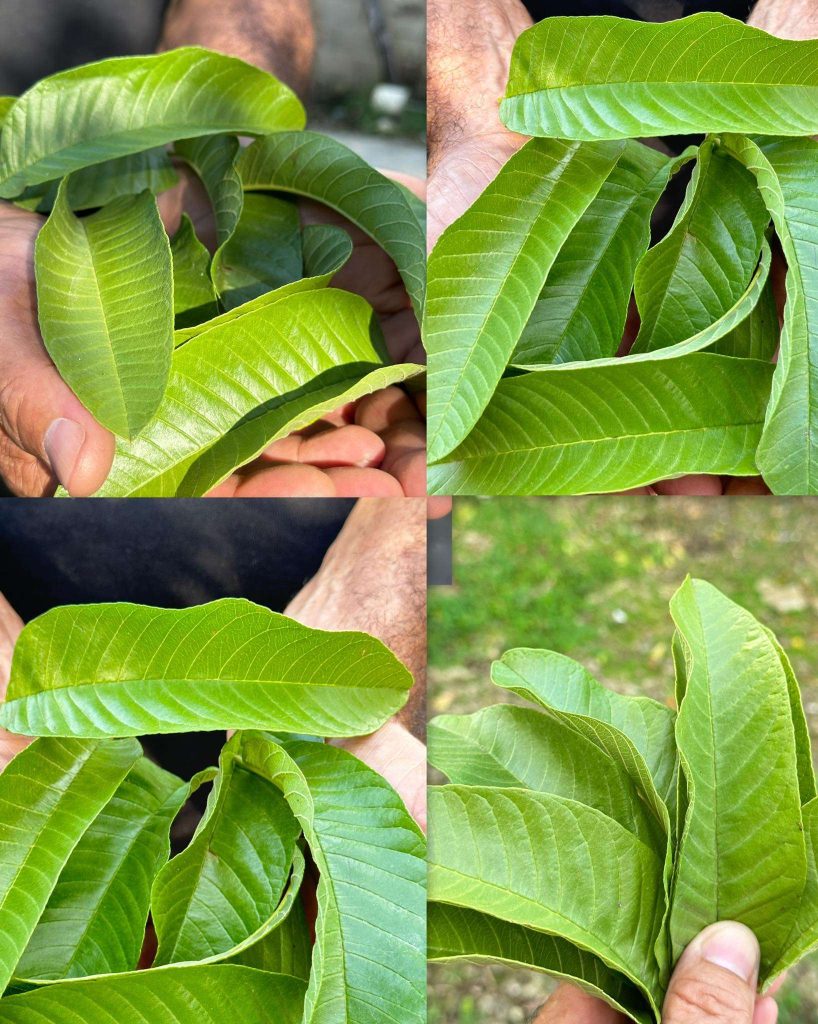
Introduction: The Unsung Hero of Natural Remedies 🌿
 Espanol
In the world of natural wellness, certain ingredients steal the spotlight, while others, equally potent, remain quietly in the background. Guava fruit is widely celebrated for its delicious taste and vitamin C content, but its leaves are truly the unsung hero. Often overlooked, guava leaves are a powerhouse of nutrients and bioactive compounds that offer a myriad of health benefits. This article will delve deep into the practical, science-backed advantages of incorporating guava leaves into your wellness routine. We aim to move beyond superficial knowledge, providing you with a comprehensive guide to how these humble leaves can support everything from digestive health to blood sugar management. Get ready to discover a natural ally for your health that is both accessible and remarkably effective.
Espanol
Digestive Health: A Soothing Solution for Your Gut 🤰
Guava leaves have been traditionally used to address various gastrointestinal issues. They possess strong anti-microbial and anti-inflammatory properties that can help combat harmful bacteria like E. coli and Staphylococcus aureus in the gut, potentially reducing the risk of food poisoning and infections. For those suffering from indigestion, bloating, or gastritis, a warm tea made from guava leaves can provide significant relief by calming the stomach lining. Furthermore, the leaves are known for their anti-diarrheal effects; compounds in the leaves inhibit the growth of specific diarrhea-causing bacteria. Practical Tip: Steep 5-6 fresh, washed guava leaves in a cup of hot water for 10 minutes. Strain and drink this tea after meals to aid digestion and soothe discomfort.
Blood Sugar Regulation: A Natural Support System 🩸
One of the most researched benefits of guava leaves is their positive impact on blood glucose levels. Studies suggest that compounds in the leaves, such as quercetin and flavonoids, inhibit the absorption of certain types of sugars in the intestine (like maltose and sucrose). More importantly, guava leaf extract may improve insulin sensitivity and resistance, which is crucial for long-term blood sugar management. While not a replacement for prescribed medication, guava leaf tea can be a valuable complementary dietary addition for individuals with prediabetes or type 2 diabetes. Consistently drinking this tea may help prevent sharp spikes in blood sugar after carbohydrate-rich meals.
Oral Health: Beyond Fresh Breath 😁
Forget just minty freshness; guava leaves offer profound benefits for your oral cavity. Thanks to their potent anti-inflammatory and antibacterial abilities, they are excellent for combating oral pathogens. Chewing on tender guava leaves or using a decoction as a mouthwash can help reduce plaque formation, fight gingivitis (gum inflammation), and alleviate toothache pain. The leaves contain compounds that act as natural analgesics and can soothe painful mouth ulcers. Practical Tip: Boil a handful of leaves in water for 15 minutes, let it cool, and use it as a therapeutic mouthwash twice a day for healthier gums and teeth.
Skin and Hair Benefits: Your Topical Elixir ✨
The benefits of guava leaves aren't limited to internal health; they extend to your skin and hair. The high antioxidant content, including vitamin C, helps fight free radicals that cause premature aging, such as wrinkles and fine lines. For acne-prone skin, the leaves' antimicrobial and anti-inflammatory properties can reduce redness and combat the bacteria that cause breakouts. A simple paste applied to the skin can aid in healing wounds and insect bites faster. For hair, a guava leaf rinse can strengthen hair follicles, reduce breakage, and combat dandruff due to its antiseptic qualities, promoting a healthier, more resilient scalp.
Weight Management and Heart Health ❤️
Guava leaves may support weight management efforts by preventing the conversion of complex carbohydrates into usable sugars, which can lead to reduced calorie absorption and less fat storage. For cardiovascular health, the leaves contribute by helping to manage "bad" LDL cholesterol and triglycerides, while potentially increasing "good" HDL cholesterol. This dual action, combined with their antioxidant properties that protect against oxidative stress in blood vessels, supports overall heart function and reduces the risk of atherosclerosis. Incorporating guava leaf tea as part of a balanced diet and active lifestyle can be a smart strategy for holistic wellness.
How to Use Guava Leaves: Practical Methods and Precautions ⚠️
To harness these benefits, it's essential to know how to use guava leaves correctly. The most common method is preparing a simple tea or decoction. You can use fresh, organic leaves (thoroughly washed) or dried leaves. For optimal extraction of compounds, simmer the leaves in water for 10-15 minutes rather than just steeping. The tea can be consumed warm or cold. You can also find guava leaf extract in supplement form, but it is crucial to consult with a healthcare professional before starting any new supplement, especially if you are pregnant, breastfeeding, on medication (particularly for diabetes or blood thinners), or have a scheduled surgery. Start with small amounts to see how your body reacts.
Conclusion: Embracing Nature's Pharmacy 🌍
Guava leaves are a testament to the idea that powerful medicine often grows on trees. From providing digestive relief and supporting metabolic health to enhancing your skin and oral care routine, the benefits are both diverse and profound. While modern science continues to explore the full extent of their potential, traditional use and emerging research paint a compelling picture. We encourage you to explore this natural remedy with mindfulness, integrating guava leaf tea into your diet as a complementary practice. Remember, consistency is key with natural remedies, and they work best alongside a healthy lifestyle. By understanding and utilizing the gifts of nature like guava leaves, we take an active, informed step towards sustainable well-being. Why not brew your first cup today and experience the difference? 🍃
Deja una respuesta