Benefits of Guava Leaves
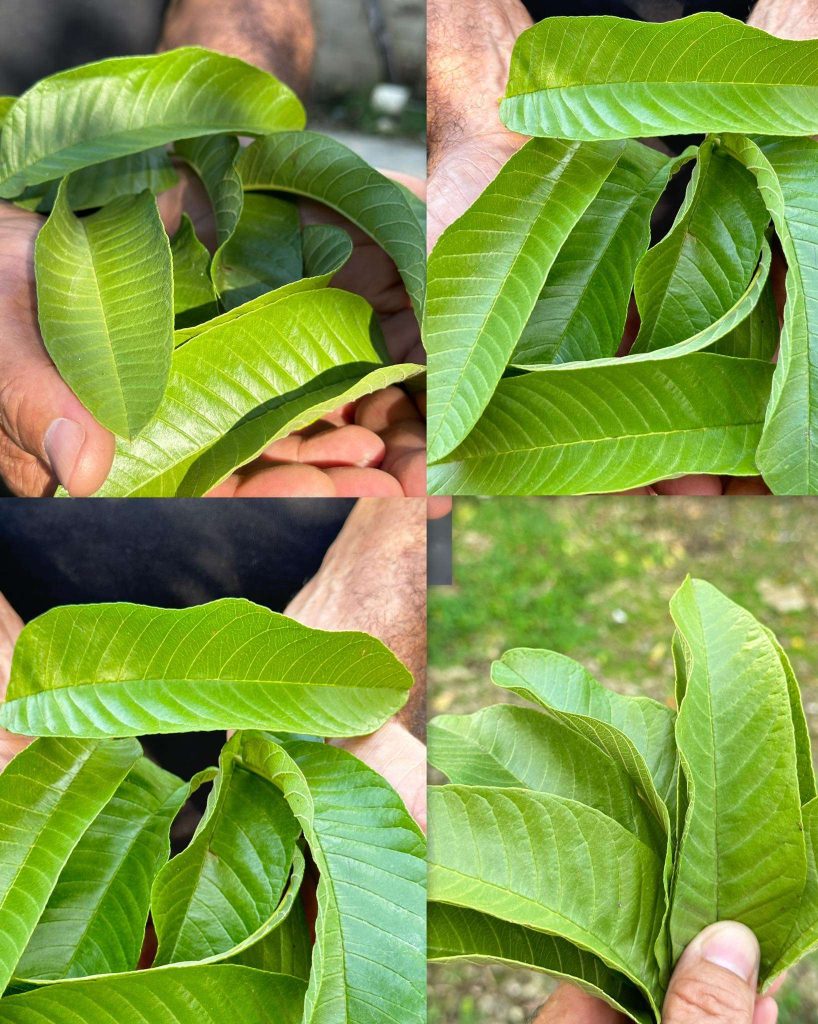
Unlocking Nature's Pharmacy: The Remarkable Benefits of Guava Leaves 🌿
 Espanol
Often overshadowed by its sweet, pink-fleshed fruit, the humble guava tree (Psidium guajava) holds a secret powerhouse in its foliage. For centuries, guava leaves have been a cornerstone in traditional medicine systems across tropical regions, from Ayurveda to folk remedies in Asia and the Americas. Today, modern science is beginning to validate what ancient healers long knew: these simple leaves are packed with potent bioactive compounds. This article delves deep into the impressive health benefits of guava leaves, moving beyond superficial claims to provide you with a practical, evidence-based guide. We'll explore how to harness their potential safely and effectively, transforming this common leaf into a valuable addition to your wellness toolkit.
Espanol
Nutritional Powerhouse: What's Inside the Leaf? 🔬
Guava leaves are rich in antioxidants like quercetin, flavonoids, and carotenoids, which combat oxidative stress and inflammation in the body. They are also a notable source of vitamin C and beneficial plant compounds such as tannins and saponins. This unique composition is responsible for their wide-ranging therapeutic effects, from blood sugar regulation to skin health. Understanding that the power lies in these phytochemicals is the first step to utilizing guava leaves effectively.
A Friend to Your Digestive System 🫀
Perhaps one of the most celebrated uses of guava leaves is for gastrointestinal health. Their antimicrobial and anti-inflammatory properties can help soothe an upset stomach and combat harmful bacteria like Salmonella and E. coli. A warm tea made from the leaves is a traditional remedy for diarrhea and dysentery, as the tannins help reduce intestinal inflammation and secretion. For a quick digestive aid, try sipping on a cup of guava leaf tea after meals. Furthermore, their potential anti-ulcer activity can protect the stomach lining, making them a holistic digestive ally.
Supporting Balanced Blood Sugar Levels 📊
Emerging research presents promising data on guava leaves and diabetes management. Compounds in the leaves appear to inhibit certain enzymes that convert carbohydrates into glucose in the bloodstream, potentially leading to lower blood sugar spikes after meals. Some studies also suggest they may improve insulin sensitivity. While not a replacement for prescribed medication, incorporating guava leaf tea could be a supportive dietary strategy, but always under medical supervision. It’s a perfect example of how natural remedies can complement modern healthcare approaches.
Boosting Heart Health and Cholesterol Profile ❤️
The benefits extend to your cardiovascular system. The antioxidants in guava leaves help prevent the oxidation of LDL ("bad") cholesterol, a key step in the formation of arterial plaque. By supporting healthier cholesterol levels and potentially lowering blood pressure due to their mild diuretic and vasorelaxant properties, these leaves contribute to overall heart health. Think of them as part of a heart-smart lifestyle that includes a balanced diet and regular exercise.
Enhancing Skin and Hair Beauty ✨
Your external beauty can also get a boost from guava leaves. Their antimicrobial and anti-inflammatory qualities make a topical wash or paste beneficial for treating acne, eczema, and skin irritations. The antioxidants fight free radicals that cause premature aging. For hair, a cooled guava leaf decoction used as a final rinse can strengthen hair follicles, potentially reduce hair loss, and combat dandruff. It’s a natural, cost-effective beauty treatment hiding in plain sight.
How to Use Guava Leaves: Practical Methods 🍵
To reap the benefits, you need to know how to prepare them properly. The most common method is as a tea or decoction.
- Tea: Wash 5-10 fresh, organic leaves (or use 1 tablespoon of dried leaves). Gently crush them to release the compounds. Steep in a cup of hot water for 5-10 minutes. Strain and enjoy. You can add honey or lemon for taste.
- Decoction (Stronger): Boil a handful of leaves in 1 liter of water for 10-15 minutes. Strain and let it cool. This concentrated liquid can be drunk in small doses (e.g., a cup per day) or used topically on skin and hair.
- Topical Paste: Grind fresh leaves with a little water to create a paste. Apply directly to affected skin areas for 10-15 minutes before rinsing.
Always source leaves from trees not treated with pesticides, or opt for high-quality, organic dried leaves from reputable suppliers.
Important Considerations and Precautions ⚠️
While generally safe for most people, moderation is key. Pregnant and breastfeeding women should avoid therapeutic use due to a lack of comprehensive safety data. As they can affect blood sugar, individuals with diabetes or those scheduled for surgery should use them cautiously and only after consulting a doctor, as they might interact with diabetes medications. Start with small amounts to see how your body reacts. Remember, natural does not automatically mean risk-free for everyone.
Conclusion: A Leaf Worth Exploring
From aiding digestion and supporting metabolic health to nurturing your skin and heart, guava leaves offer a remarkable array of benefits backed by both tradition and growing scientific interest. 🌱 They stand as a testament to the profound healing potential found in everyday nature. By incorporating guava leaf tea or topical applications into your routine wisely, you can tap into this ancient, natural wisdom. We encourage you to view them not as a magic cure, but as a powerful, supportive element within a holistic approach to health and well-being. Why not explore what this versatile leaf can do for you? Start with a simple cup of tea and experience its gentle benefits firsthand.
Deja una respuesta