Benefits of Guava Leaves
 Espanol
Espanol
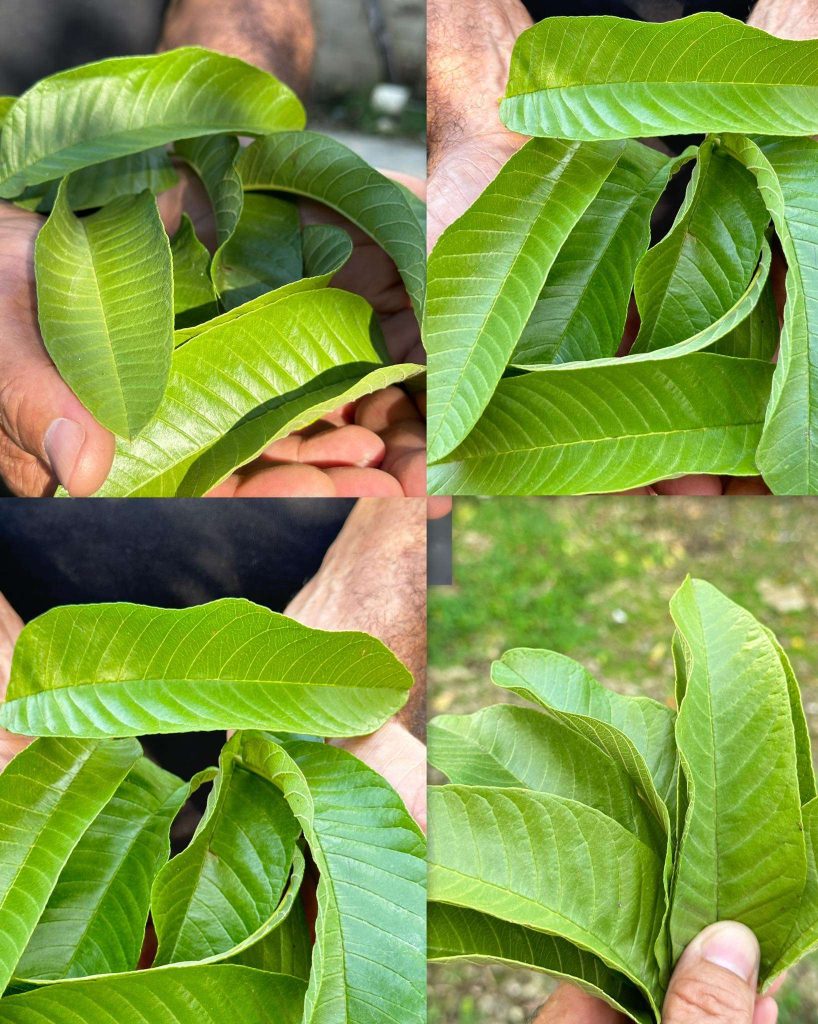
The Hidden Power of the Guava Tree: Unlocking the Benefits of Guava Leaves 🌿
When we think of the guava tree, our minds immediately jump to its sweet, fragrant fruit. However, lurking just out of the spotlight are its vibrant green leaves, a powerhouse of nutrients and medicinal properties that have been revered in traditional medicine for centuries. This article delves deep into the remarkable benefits of guava leaves, moving beyond common knowledge to explore the science and practical applications behind this natural remedy. Get ready to discover how these humble leaves can contribute significantly to your health and wellness routine.
1. A Potent Ally for Digestive Health 🤢➡️😌
Guava leaves are exceptionally beneficial for the gastrointestinal system. They possess strong anti-microbial and anti-inflammatory properties that can help combat harmful bacteria like Staphylococcus aureus and E. coli, often responsible for food poisoning and digestive discomfort. Drinking guava leaf tea is a renowned remedy for soothing stomach aches, reducing the symptoms of diarrhea, and even treating gastroenteritis. The leaves help inhibit the production of excess mucus in the intestines that can irritate the digestive system, thereby promoting smoother digestion and nutrient absorption. For best results, steep a handful of clean leaves in hot water for about 10 minutes and drink the infusion on an empty stomach.
2. Blood Sugar Regulation and Diabetes Management 🩺📉
One of the most researched benefits of guava leaves is their positive effect on blood glucose levels. Studies suggest that compounds in the leaves inhibit the absorption of certain types of sugars (like maltose and sucrose) in the bloodstream. They also improve insulin sensitivity and resistance, making them a valuable natural adjunct for managing Type 2 diabetes. Regular consumption of guava leaf tea may help prevent sharp spikes in blood sugar after meals. It is crucial, however, to consult with your healthcare provider before incorporating it into your regimen, especially if you are on diabetic medication, to avoid the risk of hypoglycemia.
3. Boosting Heart Health and Improving Cholesterol ❤️
Your cardiovascular system can also reap rewards from guava leaves. The leaves are rich in antioxidants, particularly vitamin C and flavonoids like quercetin, which help protect the heart from oxidative damage. More importantly, evidence indicates that consuming guava leaf extract can help lower "bad" LDL cholesterol and triglycerides while raising "good" HDL cholesterol. This dual action helps prevent the buildup of plaque in the arteries (atherosclerosis), thereby reducing the risk of hypertension, heart attacks, and strokes. Incorporating the tea into a balanced diet and active lifestyle offers a holistic approach to heart care.
4. Enhancing Skin Health and Combating Aging 👩⚕️✨
Move over expensive serums—guava leaves offer impressive dermatological benefits. Their high antioxidant content fights free radicals, the primary agents behind premature skin aging, wrinkles, and loss of elasticity. The anti-inflammatory and antimicrobial properties make a topical application of guava leaf decoction an excellent remedy for acne, blackheads, and skin redness. You can create a simple, effective face toner by boiling leaves, cooling the liquid, and applying it with a cotton pad. The leaves also contain vitamin C, which is essential for collagen synthesis, helping to maintain your skin's firmness and youthful glow from within.
5. Immune System Support and Anti-Cancer Potential 🛡️🔬
The immune-boosting capacity of guava leaves is formidable. Packed with vitamin C and having significant anti-bacterial and anti-viral capabilities, they help your body fend off common infections like colds and the flu. Furthermore, ongoing scientific research is exploring the anti-proliferative effects of guava leaf extract on various cancer cell lines. The bioactive compounds, including lycopene and quercetin, appear to induce apoptosis (programmed cell death) in cancer cells and inhibit tumor growth. While this is promising and highlights the leaf's potent bioactive nature, it is vital to understand that it is not a cure, but rather a area of significant research for potential supportive therapies.
How to Incorporate Guava Leaves into Your Daily Routine ☕
To harness these benefits, the most common and effective method is preparing a herbal tea. Here’s a simple guide:
- Tea: Wash 5-10 fresh, organic guava leaves (or use 1 tablespoon of dried leaves). Boil them in 1 liter of water for about 10-15 minutes. Strain and enjoy warm or cold. You can add honey or lemon for taste.
- Topical Use: For skin or hair health, use the cooled tea as a rinse or apply directly to the affected area.
- Extract/Supplements: Concentrated extracts are available in capsule form, but these should be taken under professional supervision.
Start with a small amount to see how your body reacts, and always ensure the leaves are sourced from trees not treated with pesticides.
Important Precautions and Final Thoughts ⚠️
While guava leaves are generally safe for most people, moderation is key. Pregnant and breastfeeding women should avoid therapeutic doses due to a lack of comprehensive safety data. As mentioned, individuals with diabetes or those scheduled for surgery (due to potential blood sugar-lowering effects) must seek medical advice. Natural does not automatically mean risk-free for everyone.
In conclusion, the guava tree generously offers more than just its delicious fruit. Its leaves are a versatile, accessible, and potent natural resource with wide-ranging benefits from digestion and diabetes support to heart, skin, and immune health. 🌟 By understanding and utilizing guava leaves wisely, you can tap into an ancient, yet scientifically-supported, tradition of natural wellness. Why not brew a cup of guava leaf tea today and take a simple step towards harnessing nature's pharmacy for a healthier tomorrow?
Deja una respuesta