Benefits of Guava Leaves
 Espanol
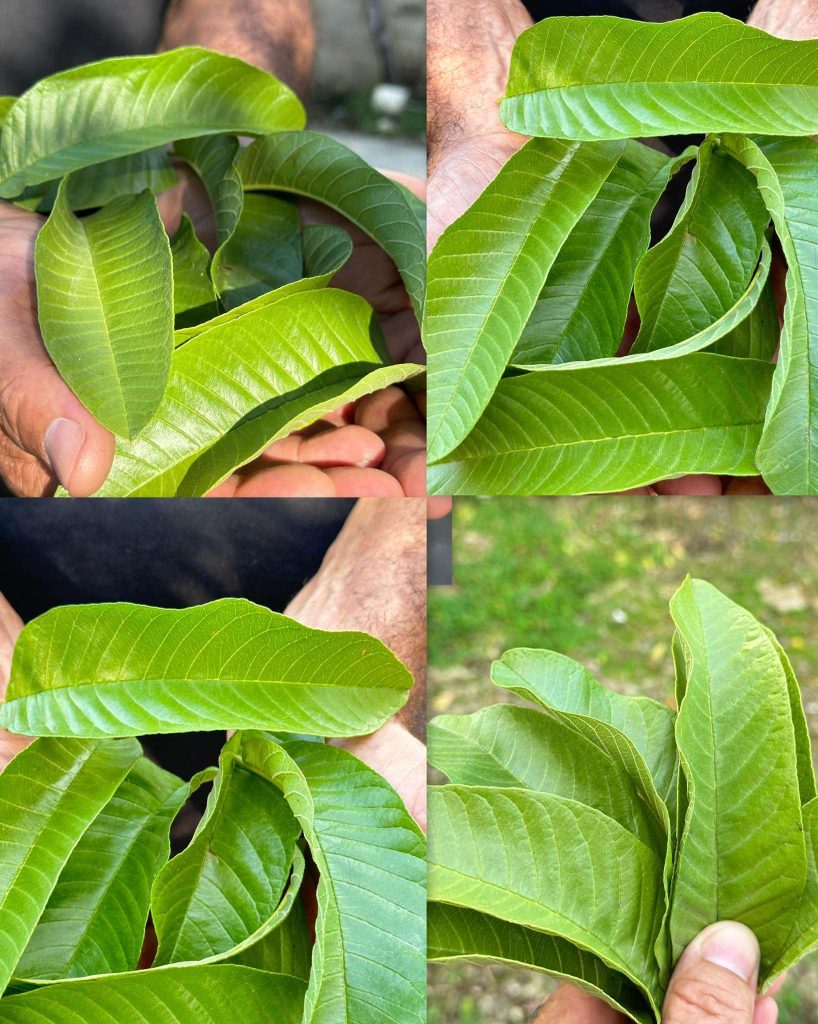
Welcome to a deep dive into the often-overlooked powerhouse of the tropical world: the guava leaf 🌿. While the sweet, fragrant fruit rightfully gets much attention, its leaves hold a treasure trove of health benefits backed by both traditional wisdom and modern science. This article will explore the impressive advantages of incorporating guava leaves into your wellness routine, offering practical ways to harness their potential. Get ready to discover how this humble leaf can contribute significantly to your health from the inside out.
Espanol
Introduction: More Than Just a Tree's Accessory
Native to Central and South America but now cultivated in many tropical regions, the guava tree (Psidium guajava) is a gift that keeps on giving. Beyond its delicious fruit, the leaves have been a staple in folk medicine for centuries across Asia, Africa, and the Americas. Today, research is beginning to validate what many cultures have long known: guava leaves are packed with potent antioxidants, anti-inflammatory compounds, and essential nutrients like vitamin C and flavonoids. Let's unravel their key benefits and how you can easily tap into them.
Digestive Health & Weight Management Support 🤰
One of the most celebrated uses of guava leaf is for soothing digestive issues. The leaves contain compounds that have been shown to reduce the intensity and duration of diarrhea and dysentery by inhibiting harmful gut bacteria. For a quick remedy, a strong cup of guava leaf tea can help calm an upset stomach. Furthermore, the leaves may prevent complex carbohydrates from turning into sugars, potentially aiding in weight management efforts. This modulation of carbohydrate absorption can help reduce sudden spikes in blood sugar and insulin, supporting a more balanced metabolic state.
A Powerful Ally for Blood Sugar Control 📉
Emerging studies suggest guava leaf tea can be remarkably beneficial for people with diabetes or insulin resistance. Compounds in the leaf appear to improve insulin sensitivity and lower blood sugar levels after meals. Drinking guava leaf tea after meals may help moderate glucose absorption, making it a valuable dietary adjunct. It's crucial, however, to consult with a healthcare provider before using it as part of a diabetes management plan, as it may interact with medications. The anti-glycation properties also help protect against long-term complications associated with high blood sugar.
Boosting Heart Health & Lowering Cholesterol ❤️
Your cardiovascular system may also reap rewards from guava leaves. The high potassium and soluble fiber content contribute to this effect. Regular consumption of guava leaf extract has been linked to reduced "bad" LDL cholesterol and triglyceride levels while maintaining "good" HDL cholesterol. Incorporating guava leaf tea into a heart-healthy lifestyle could provide synergistic benefits for blood pressure and cholesterol management. The antioxidants also fight oxidative stress in blood vessels, promoting better circulation and overall vascular health.
Skin, Hair, and Oral Health Beauty Treatments ✨
The anti-inflammatory and antimicrobial properties of guava leaves make them excellent for topical applications. A cooled guava leaf tea rinse can soothe scalp irritation, reduce dandruff, and potentially strengthen hair follicles. For the skin, applying a leaf decoction can help treat acne, diminish dark spots, and tone the complexion due to its astringent qualities. Chewing on tender guava leaves or using a leaf-infused mouthwash is a traditional and effective way to combat bad breath, gum inflammation, and oral ulcers. It's a natural, multi-purpose beauty and care secret waiting in your garden or local market.
How to Prepare and Use Guava Leaves: A Practical Guide 🍵
To harness these benefits, the most common method is preparing a simple tea. Here's how:
- For Fresh Leaves: Thoroughly wash 5-10 tender leaves. Gently crush them to release their essence and add to a pot with about one liter of boiling water. Simmer for 10-15 minutes, then strain. You can enjoy it warm or cold, with a hint of honey or lemon if desired.
- For Dried Leaves: Use 1-2 teaspoons of crushed dried leaves per cup of hot water. Steep for 5-10 minutes.
Start with one cup per day to see how your body responds. For topical use, simply prepare a stronger decoction (simmer longer), let it cool completely, and apply it to the skin or scalp with a cotton pad or as a final hair rinse.
Important Considerations and Precautions ⚠️
While generally safe for most people, it's wise to exercise caution. Pregnant and breastfeeding women should avoid therapeutic doses due to a lack of comprehensive safety data. As mentioned, those on diabetes or blood-thinning medications must consult a doctor, as guava leaves can potentiate their effects. Always source leaves from organic, pesticide-free trees if possible, and wash them meticulously. Moderation is key—think of it as a herbal supplement, not a regular beverage to be consumed in excessive quantities.
Conclusion: Embracing Nature's Pharmacy
From aiding digestion and blood sugar control to enhancing skin radiance and heart health, guava leaves prove that sometimes the greatest gifts come in unassuming packages. 🌿 This versatile leaf offers a natural, accessible, and cost-effective way to complement your health and wellness journey. We encourage you to try a cup of guava leaf tea and experience its subtle, earthy benefits firsthand. Remember, integrating natural remedies should be a thoughtful addition to a balanced lifestyle, not a replacement for professional medical advice. Here's to discovering the profound benefits hidden in nature's foliage!
Deja una respuesta