Benefits of Guava Leaves
 Espanol
Espanol
Introduction: Discover the Humble Powerhouse 🍃
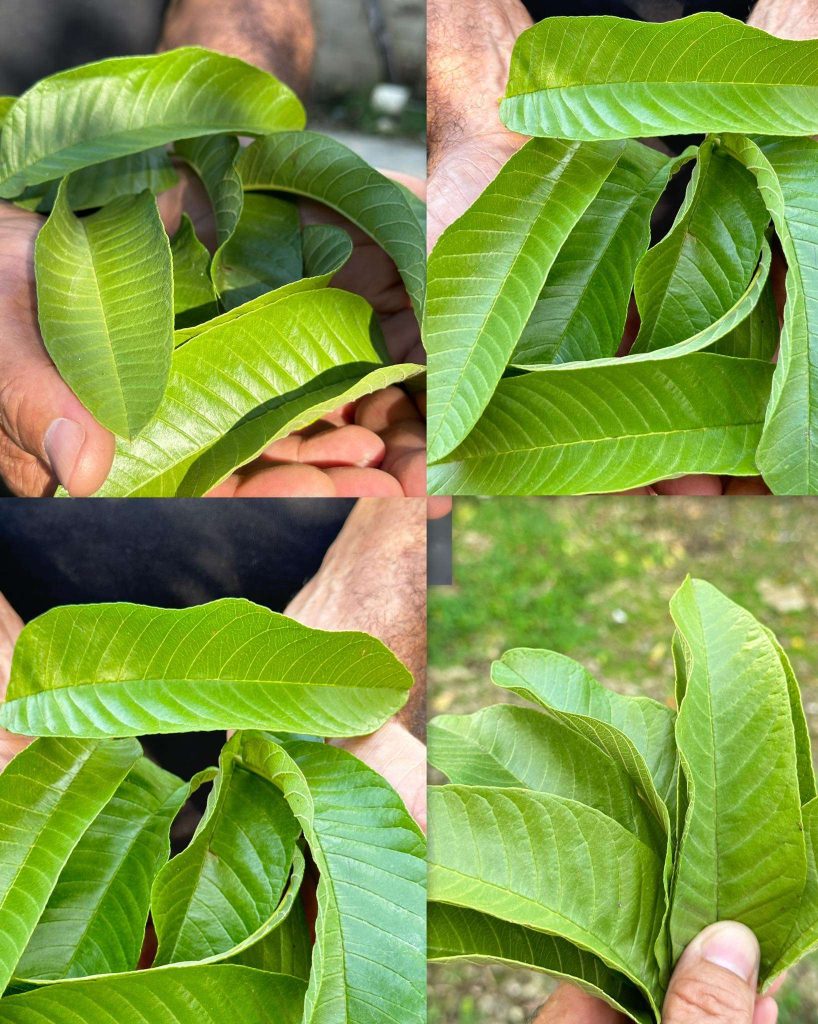
Often overshadowed by its sweet, tangy fruit, the guava leaf is a treasure trove of wellness waiting to be discovered in your own backyard or local market. While many enjoy the fruit for its taste, the leaves of the Psidium guajava tree have been a cornerstone in traditional medicine for centuries, from Asia to the Americas. Modern science is now catching up, validating many of these ancient uses. This article delves deep into the impressive, research-backed benefits of guava leaves, moving beyond superficial mentions to provide you with a comprehensive guide on how this natural remedy can support your health, complete with practical ways to incorporate it into your daily routine.
The Nutritional and Phytochemical Profile: Nature's Pharmacy 🌿
To understand why guava leaves are so potent, we must look at their rich composition. They are packed with powerful bioactive compounds, including flavonoids (like quercetin), carotenoids, polyphenols, and essential oils. Notably, they are an excellent source of antioxidants such as vitamin C and flavonoids, which combat oxidative stress and free radical damage in the body. They also contain compounds with anti-inflammatory, antimicrobial, and astringent properties. This unique blend of nutrients and phytochemicals is the foundation for the wide array of health benefits they offer, acting as a natural, multi-targeted therapy for various conditions.
Key Health Benefits of Guava Leaves Unveiled 🔬
Let's explore the specific, evidence-supported advantages of integrating guava leaves into your wellness regimen.
Blood Sugar Management: One of the most celebrated benefits is their positive effect on blood glucose levels. Studies suggest that guava leaf tea can inhibit the absorption of certain types of sugars (like maltose and sucrose) in the intestine and improve insulin sensitivity. Drinking guava leaf tea after meals may help prevent blood sugar spikes, making it a valuable supportive habit for those managing diabetes or pre-diabetes, though it should not replace prescribed medication. 📉
Digestive Health Champion: Guava leaves are renowned for their gastrointestinal benefits. Their antimicrobial properties can help combat harmful gut bacteria like Staphylococcus aureus and E. coli, while their anti-inflammatory nature soothes the gut lining. For bouts of diarrhea or dysentery, a strong guava leaf tea acts as a powerful astringent, reducing symptoms and discomfort. Furthermore, they may help reduce symptoms of irritable bowel syndrome (IBS) and general stomach upsets. 🤢➡️😊
Immune System Booster: With their high vitamin C content and antimicrobial compounds, guava leaves are excellent for fortifying the body's defenses. Regular consumption can help your body ward off common pathogens, potentially reducing the frequency and severity of colds, the flu, and other infections. They also act as an effective natural cough suppressant and expectorant, loosening mucus and soothing a sore throat. 🛡️
Heart Health Supporter: The holistic action of guava leaves benefits cardiovascular wellness. The antioxidants help protect LDL ("bad") cholesterol from oxidation, a key step in the formation of arterial plaque. Some research indicates they may also help lower blood pressure and triglycerides. By improving lipid profiles and reducing oxidative stress, they contribute to a healthier heart and circulatory system. ❤️
Skin and Hair Health: Applied topically, guava leaf's antiseptic and anti-inflammatory qualities work wonders. A cooled tea wash can help treat acne, reduce redness, and minimize the appearance of pores. For wounds or insect bites, applying crushed leaves or a concentrated paste can prevent infection and speed up healing. When used as a final hair rinse, it can strengthen roots, reduce dandruff, and add a healthy shine. ✨
Practical Ways to Use Guava Leaves: Your How-To Guide 🍵
Knowing the benefits is one thing; applying them is another. Here are the most effective methods to harness the power of guava leaves.
Guava Leaf Tea (Infusion): This is the simplest and most popular method. Rinse 5-10 fresh, organic leaves (or 1 tablespoon of dried leaves). Gently crush them to release their oils. Boil them in 1 liter of water for about 10 minutes. Strain and enjoy warm or cool. You can add a dash of honey or lemon for taste. For optimal blood sugar benefits, consider drinking a cup about 30 minutes after a meal.
Topical Applications: For skin issues, prepare a strong tea, let it cool completely, and apply it to the affected area with a clean cotton ball 1-2 times daily. For hair, use the tea as a final rinse after shampooing, massaging it into the scalp, and leaving it on for a few minutes before a quick cool-water rinse.
Precautions and Considerations: While generally safe, pregnant and breastfeeding women should consult a doctor before regular consumption. If you are on medication for diabetes or blood thinning, medical advice is crucial due to potential interactions. Start with small amounts to see how your body reacts.
Conclusion: Embracing a Leaf of Wellness 🌟
From supporting metabolic and digestive health to boosting immunity and enhancing skin vitality, guava leaves prove that sometimes the most powerful remedies are found in nature's simplest packages. This humble leaf offers a cost-effective, accessible, and multi-functional approach to complementary wellness. While not a magic bullet or a substitute for professional medical treatment, incorporating guava leaf tea or extracts can be a profoundly beneficial addition to a holistic health lifestyle. We encourage you to explore this natural ally—brew a cup of tea, try a topical application, and experience the traditional wisdom, now backed by science, for yourself.
Deja una respuesta