BENEFITS OF GUAVA LEAVES
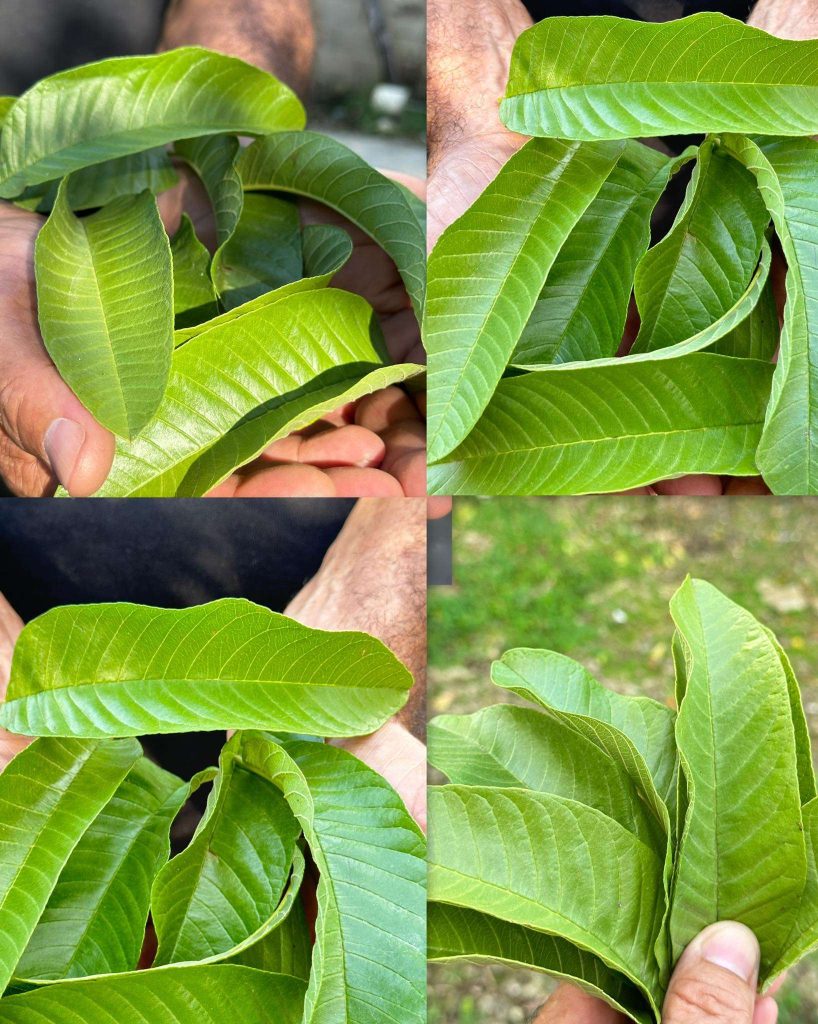
🌿 Discover the Amazing Power of Nature: An Introduction to Guava Leaves
 Espanol
Often overshadowed by its delicious fruit, the humble guava leaf is a powerhouse of wellness hiding in plain sight. 🍃 For centuries, traditional medicine systems across the tropics have harnessed its potent properties, and modern science is now catching up, validating many of these age-old uses. This article delves deep into the remarkable benefits of guava leaves, moving beyond superficial claims to provide you with practical, evidence-backed insights. Whether you seek to enhance your digestive health, manage blood sugar, or simply incorporate a powerful natural ally into your routine, understanding the full spectrum of guava leaf benefits is the first step. Let's explore how this readily available leaf can become a cornerstone of a proactive, natural health strategy.
Espanol
💊 A Nutritional Powerhouse: What’s Inside the Leaf?
To understand the benefits, we must look at the composition. Guava leaves (Psidium guajava) are rich in bioactive compounds. They contain potent antioxidants like quercetin and flavonoids, which combat oxidative stress and inflammation in the body. 🛡️ They are also a source of essential vitamins, particularly Vitamin C and B vitamins (like niacin), and minerals such as iron, potassium, and zinc. Furthermore, they possess significant antimicrobial and anti-inflammatory tannins, like gallic acid, and beneficial volatile oils. This unique blend of nutrients and phytochemicals works synergistically, making the leaf far more than just a simple plant part—it's a complex, natural supplement.
📈 Top Evidence-Based Benefits of Guava Leaves
The applications of guava leaves are diverse, targeting some of the most common modern health concerns. Here are the key areas where they shine:
1. Blood Sugar Management 🩸
Several studies indicate that guava leaf tea can help lower blood glucose levels. The compounds in the leaves inhibit the absorption of certain types of sugars (like maltose and sucrose) in the intestine and improve insulin sensitivity. Drinking guava leaf tea after meals may help prevent sharp blood sugar spikes. This makes it a valuable dietary adjunct for those managing prediabetes or type 2 diabetes, though it should not replace prescribed medication.
2. Digestive Health & Weight Management 🤢⚖️
Guava leaves are excellent for the gut. Their antimicrobial properties can help combat harmful bacteria like Salmonella and E. coli, potentially easing infectious diarrhea. The leaves also contain fiber and compounds that may reduce the secretion of mucus in the intestines and lessen abdominal pain. For weight management, the tea's ability to block carbohydrate conversion to usable sugars can be a helpful supportive tool when combined with a balanced diet and exercise.
3. Heart Health ❤️
By helping to lower "bad" LDL cholesterol and triglycerides, and potentially raising "good" HDL cholesterol, guava leaf extract contributes to a healthier cardiovascular profile. The high potassium content helps regulate blood pressure by counteracting the effects of sodium and easing tension in the blood vessel walls.
4. Skin & Hair Health ✨
Applied topically or consumed, the antioxidant and antimicrobial benefits translate to your largest organ: your skin. A paste made from crushed leaves can aid in healing acne, wounds, and insect bites due to its anti-inflammatory and infection-fighting properties. For hair, boiling the leaves into a rinse can combat dandruff, strengthen hair follicles, and potentially reduce hair loss.
5. Immune System Support 🛡️
The high Vitamin C content, coupled with its immune-modulating properties, makes guava leaf tea a great beverage during cold and flu season. It helps the body fend off pathogens and recover more quickly.
🧑🔬 How to Use Guava Leaves: Practical Tips and Methods
Knowing the benefits is one thing; applying them is another. Here’s how to integrate guava leaves into your wellness routine safely and effectively.
Preparing Guava Leaf Tea: This is the most common and accessible method.
- Wash 5-10 fresh, organic guava leaves thoroughly (or use 1 tablespoon of dried leaves).
- Add them to a pot with about 2 cups of water.
- Bring to a boil, then simmer for 10-15 minutes to extract the compounds.
- Strain the leaves and enjoy the tea. You can add a natural sweetener like honey or lemon for taste. Consume 1-2 cups daily, preferably after meals for digestive and blood sugar benefits. ☕
Topical Applications: For skin issues, crush fresh, clean leaves into a fine paste with a little water. Apply directly to the affected area (do a patch test first) and rinse after 10-15 minutes. For a hair rinse, follow the tea preparation method, let it cool, and use it as a final rinse after shampooing.
Important Safety Note: While generally safe, those with underlying health conditions (especially diabetes on medication) or who are pregnant/breastfeeding should consult a healthcare professional before using guava leaves therapeutically, as they can potentiate the effects of drugs. Always prioritize quality—use leaves from trees not treated with pesticides.
✅ Conclusion: Embracing a Time-Tested Natural Remedy
In summary, guava leaves offer a compelling, multi-faceted approach to supporting health, backed by both tradition and growing scientific research. From regulating metabolic functions like blood sugar and cholesterol to providing relief for digestive woes and enhancing skin vitality, this leaf is a versatile and potent natural tool. 🌿 The key is consistency and informed use—incorporating a cup of guava leaf tea into your daily regimen or using it as a targeted topical treatment can yield significant benefits over time. We encourage you to explore this gift from nature, but to do so mindfully, respecting its potency and consulting an expert when needed. Start small, observe how your body responds, and unlock the profound wellness potential that has been growing on the guava tree all along. Your journey to a more natural, holistic health strategy could begin with a single leaf. 🍃
Deja una respuesta