Benefits of Guava Leaves
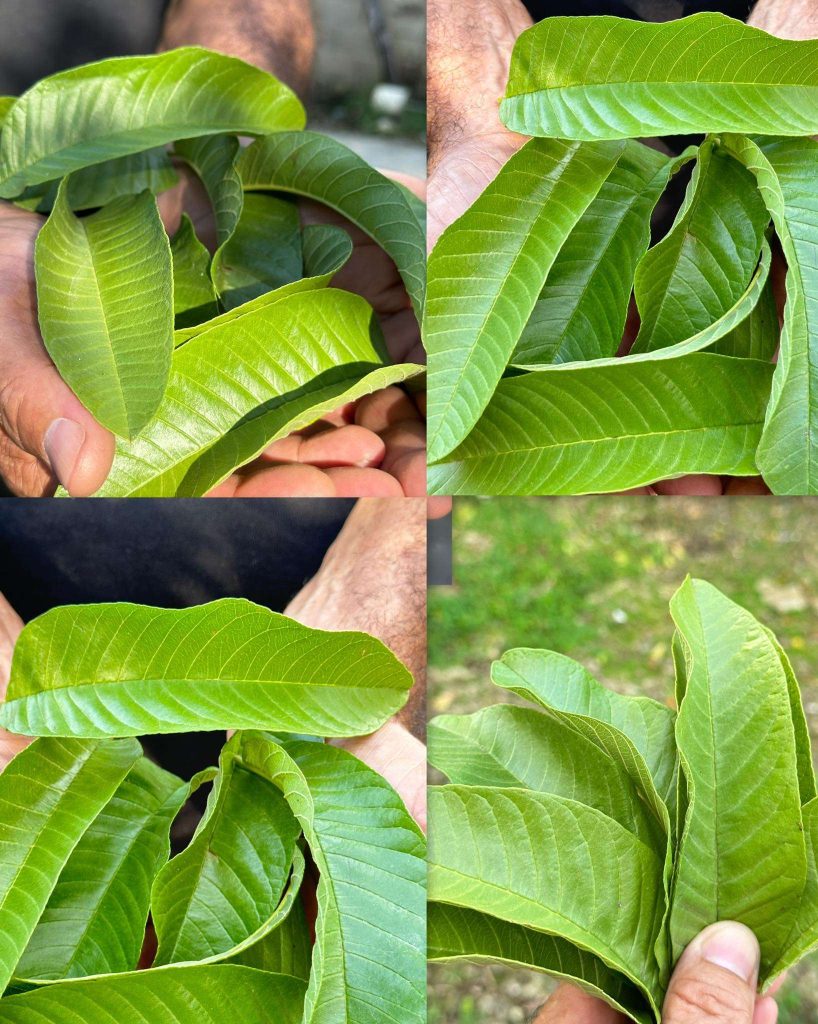
Introduction: The Hidden Power in Your Backyard 🍃
 Espanol
Often overshadowed by its sweet, tangy fruit, the humble guava leaf is a powerhouse of wellness waiting to be discovered. While many enjoy the guava for its delicious taste, its leaves have been a cornerstone of traditional medicine for centuries, from the Amazon rainforest to Southeast Asia. This article delves into the remarkable, science-backed benefits of guava leaves, transforming them from simple foliage into a valuable component of your natural health toolkit. We will explore their potent properties, practical applications, and how you can easily incorporate them into your daily routine for enhanced well-being.
Espanol
Nutritional Profile: Nature's Potent Pharmacy 🌿
Guava leaves (Psidium guajava) are rich in a complex blend of bioactive compounds that drive their health benefits. They are an exceptional source of powerful antioxidants like quercetin and flavonoids, which combat oxidative stress in the body. Furthermore, they contain significant anti-inflammatory agents, essential vitamins (notably vitamin C and B vitamins), and minerals such as iron and potassium. This unique phytochemical composition is what makes the simple guava leaf a subject of growing scientific interest for its therapeutic potential.
Key Health Benefits and Practical Uses
The applications of guava leaves are diverse, addressing everything from metabolic health to skincare. Here are some of the most prominent, evidence-supported benefits:
Managing Blood Sugar Levels ⚕️
One of the most celebrated benefits of guava leaf tea is its positive impact on blood glucose regulation. Compounds in the leaves inhibit the absorption of certain types of sugars in the bloodstream, such as maltose and sucrose. Drinking guava leaf tea after meals may help prevent blood sugar spikes. For those managing pre-diabetes or type 2 diabetes, this can be a valuable, natural supportive measure, though it should never replace prescribed medication without consulting a healthcare provider.
Promoting Digestive Wellness 🤰
Guava leaves are a traditional remedy for a range of digestive issues. Their antimicrobial properties help combat harmful bacteria like Staphylococcus aureus and Salmonella that can cause food poisoning. More commonly, a warm tea made from the leaves is highly effective in soothing stomach aches, reducing symptoms of diarrhea, and calming indigestion. For acute digestive discomfort, a cup of strong guava leaf tea can provide noticeable relief.
Enhancing Heart Health ❤️
The synergy of potassium, fiber, and antioxidants in guava leaves contributes to cardiovascular health. Potassium helps regulate blood pressure by counteracting the effects of sodium and easing tension in the blood vessel walls. Meanwhile, the antioxidants help reduce the oxidation of LDL ("bad") cholesterol, a key factor in the development of artery-clogging plaque. Regular consumption, as part of a balanced diet, supports overall heart function.
Boosting Hair and Skin Vitality ✨
Don't overlook the topical uses of guava leaves! A cooled decoction can be used as a final hair rinse to strengthen hair follicles, combat dandruff, and promote hair growth due to its nutrient and antioxidant content. For the skin, applying a leaf paste or infused water can help reduce acne and inflammation thanks to its antibacterial and astringent qualities. Applying crushed guava leaves to minor wounds or insect bites can accelerate healing and prevent infection.
Aiding in Weight Management ⚖️
Guava leaf tea can be a supportive ally in weight management journeys. It helps prevent complex carbohydrates from being converted into sugars by the liver, which the body would otherwise store as fat. Furthermore, as a calorie-free beverage, it serves as an excellent substitute for sugary drinks, promoting hydration and a feeling of fullness.
How to Prepare and Use Guava Leaves: A Practical Guide
To harness these benefits, proper preparation is simple. For tea:
- Wash 5-10 fresh, organic guava leaves thoroughly (or use 1 tablespoon of dried leaves).
- Bring 2 cups of water to a boil, add the leaves, and simmer for 10-15 minutes.
- Strain the leaves and enjoy the tea warm or cold. You can add a touch of honey or lemon for flavor, though it's best consumed without sugar to maximize health benefits.
For topical use, create a stronger decoction by boiling a larger handful of leaves in water, then let it cool before applying to hair or skin.
Important Precautions and Side Effects ⚠️
While generally safe for most people, it's crucial to exercise caution. Pregnant and breastfeeding women should consult a doctor before consuming guava leaf tea medicinally. Due to its blood sugar-lowering potential, individuals with diabetes on medication must monitor their levels closely to avoid hypoglycemia. As with any new supplement, start with a small amount to see how your body reacts. Always source leaves that are clean, organic, and free from pesticides.
Conclusion: Embracing a Leaf of Life
From stabilizing blood sugar to nurturing your skin, the benefits of guava leaves are a testament to the profound wisdom found in nature. 🍃 This unassuming leaf offers a holistic, accessible, and natural approach to supporting various aspects of health. By incorporating guava leaf tea into your routine or using it topically, you are tapping into an ancient tradition backed by modern science. We encourage you to explore this natural remedy, but always in conjunction with professional medical advice for specific conditions. Start with a simple cup of tea and experience the gentle, powerful benefits of this remarkable leaf for yourself.
Deja una respuesta