Benefits of Guava Leaves
 Espanol
Espanol
Unlocking Nature's Pharmacy: The Remarkable Benefits of Guava Leaves 🌿
Often overshadowed by its delicious fruit, the humble guava leaf is a powerhouse of wellness hiding in plain sight. 🍃 For centuries, traditional medicine systems across the globe have harnessed its potent properties, and modern science is now catching up, validating many of these ancient uses. This article delves deep into the science-backed benefits of guava leaves, moving beyond superficial claims to offer you a comprehensive guide on how to integrate this natural remedy into your health regimen. We'll explore its nutritional profile, practical applications, and important precautions to consider.
A Nutritional Powerhouse in Every Leaf 🔬
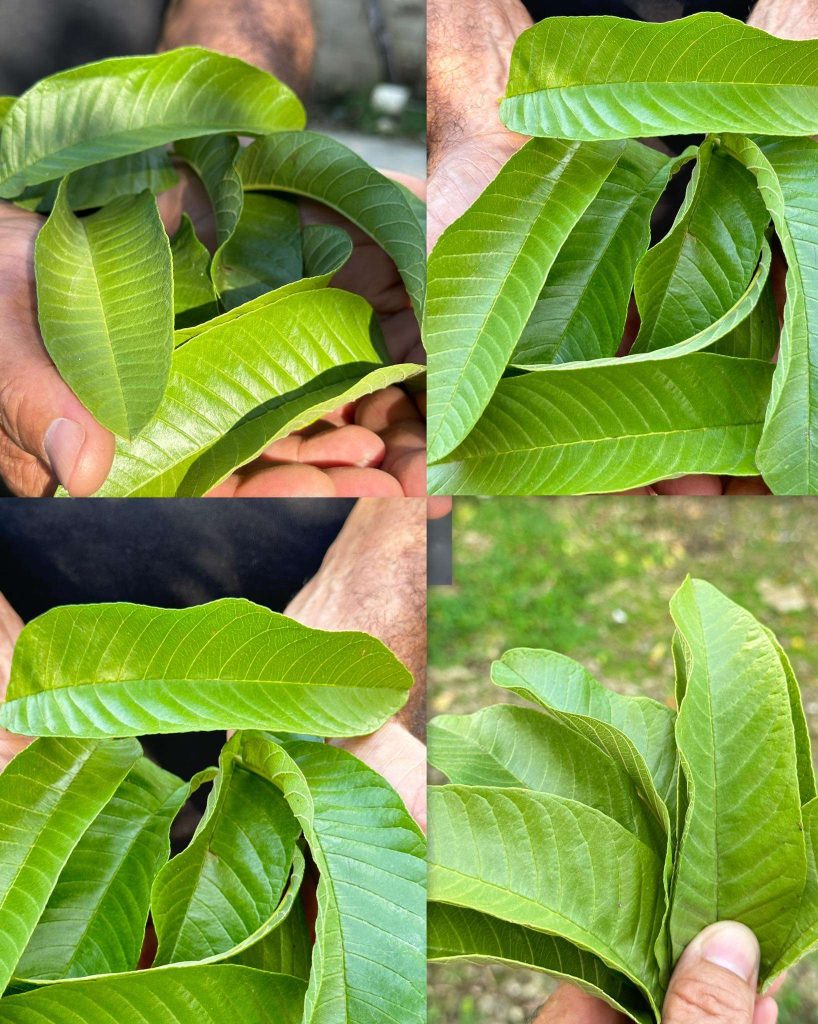
Guava leaves (Psidium guajava) are loaded with bioactive compounds that contribute to their therapeutic effects. They are exceptionally rich in potent antioxidants like quercetin, flavonoids, and carotenoids, which combat oxidative stress and cellular damage. Furthermore, they contain anti-inflammatory agents, essential oils, and vital vitamins such as Vitamin C and B-complex vitamins. This unique blend of nutrients is responsible for the wide array of health benefits associated with the leaves. The presence of tannins provides the characteristic astringent property, beneficial for both internal and external use.
Top Evidence-Based Health Benefits ✨
Let's explore the key areas where guava leaf preparations, primarily tea, can make a significant impact on your well-being.
1. Blood Sugar Regulation: One of the most celebrated benefits is its potential to help manage blood glucose levels. Compounds in the leaves inhibit the absorption of certain types of sugars in the intestine, such as maltose and sucrose. Drinking guava leaf tea after meals may help prevent blood sugar spikes. Several studies suggest it can improve insulin resistance, making it a valuable complementary tool for prediabetes and type 2 diabetes management, though it should not replace prescribed medication. 📉
2. Digestive Health Champion: From soothing an upset stomach to combating foodborne pathogens, guava leaves are excellent for your gut. Their antimicrobial properties can help manage diarrhea and dysentery by inhibiting harmful bacteria like Staphylococcus aureus. The anti-inflammatory effects can also ease symptoms of gastritis and acid reflux. For digestive distress, a warm cup of guava leaf tea is a time-tested natural remedy. 🫖
3. Heart Health Support: The leaves contribute to cardiovascular wellness in multiple ways. The antioxidants help protect the heart from oxidative damage, while the potassium helps regulate blood pressure. Some research indicates that long-term consumption of guava leaf extract can positively affect cholesterol levels by lowering "bad" LDL cholesterol and triglycerides. ❤️
4. Skin and Hair Elixir: Applied topically, guava leaf decoctions work wonders. The antioxidants and antimicrobial compounds can treat acne, reduce skin inflammation, and delay signs of aging. For hair, it's traditionally used to combat hair loss and dandruff. A simple face rinse or scalp treatment with cooled guava leaf tea can revitalize your skin and hair health. 💆♀️
5. Weight Management Aid: By preventing the conversion of complex carbohydrates into sugars, guava leaves can be a supportive element in a weight management plan. The tea is virtually calorie-free and can create a feeling of fullness, helping to curb unnecessary snacking.
How to Prepare and Use Guava Leaves: A Practical Guide 🍵
To reap the benefits, you need to know how to prepare them correctly. The most common method is making an infusion or tea.
Guava Leaf Tea Recipe:
- Wash 5-10 fresh, organic guava leaves (or use 1 tablespoon of dried leaves).
- Boil the leaves in 1 liter of water for about 10 minutes.
- Strain the liquid and allow it to cool slightly.
- You can drink it warm or cold. For flavor, add a slice of ginger, a cinnamon stick, or a teaspoon of honey (remember, honey adds sugar).
Start with one cup per day to assess your body's response. For topical use, allow the tea to cool completely before applying it to your skin or scalp with a cotton ball, or use it as a final hair rinse.
Important Precautions and Final Thoughts ⚠️
While generally safe for most people, it's crucial to exercise caution. Always consult with your healthcare provider before starting any new herbal regimen, especially if you are pregnant, breastfeeding, on medication (particularly for diabetes or blood thinning), or scheduled for surgery. Possible side effects, though rare, can include stomach irritation. Sourcing is also key—ensure your leaves are clean, pesticide-free, and properly identified.
In conclusion, the guava tree truly offers a gift beyond its fruit. Its leaves present a versatile, accessible, and natural avenue to support various aspects of health, from metabolic and digestive function to skin vitality. 🍃 By incorporating guava leaf tea into your routine responsibly, you are tapping into an ancient wisdom now backed by modern science. We encourage you to explore this natural remedy, but to do so with mindfulness and professional guidance. Your journey to enhanced well-being might just be a leaf away.
Deja una respuesta