Benefits of Guava Leaves
 Espanol
Espanol
The Hidden Power of Nature: Unveiling the Remarkable Benefits of Guava Leaves 🌿
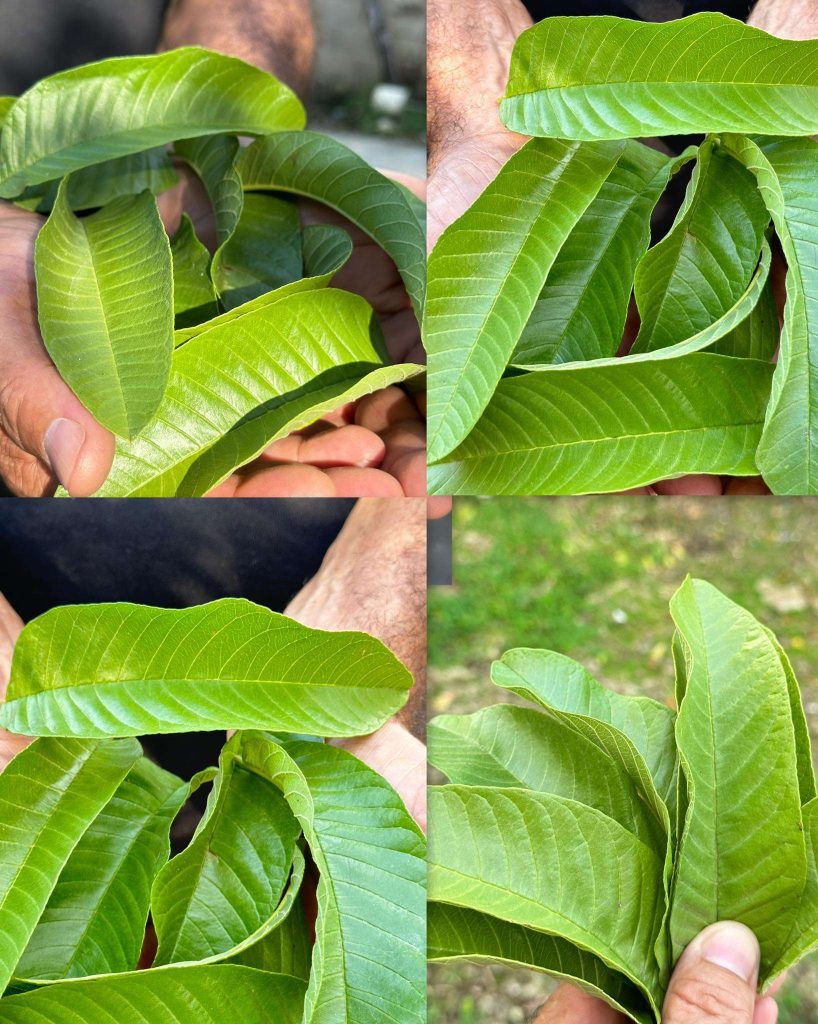
Often overshadowed by its sweet, tangy fruit, the humble guava tree (Psidium guajava) holds a secret treasure in its foliage. For centuries, guava leaves have been a cornerstone in traditional medicine across various cultures, from Asia to South America. Today, modern science is beginning to validate what herbalists have long known: these simple leaves are a powerhouse of nutrients and bioactive compounds. This article delves deep into the science-backed benefits of guava leaves, moving beyond superficial claims to provide you with practical, actionable knowledge. Discover how this readily available natural resource can support your digestive health, blood sugar balance, skin vitality, and much more.
Nutritional Profile: What's Inside the Leaf? 🔬
To understand their potency, we must first look at what makes guava leaves so special. They are rich in powerful antioxidants like vitamin C and flavonoids (such as quercetin), which combat oxidative stress and inflammation in the body. They also contain essential anti-inflammatory and antimicrobial compounds, alongside key minerals like iron, potassium, and zinc. This unique blend is responsible for the wide array of therapeutic effects associated with the leaves, making them more than just a simple herbal tea.
Key Health Benefits Explored in Depth
1. A Champion for Digestive Health 🤢
Guava leaf tea is renowned for its soothing effects on the digestive tract. Its anti-spasmodic and antimicrobial properties can help alleviate stomach cramps, bloating, and symptoms of food poisoning. The leaves are particularly effective against common culprits like Staphylococcus aureus and E. coli. For those suffering from diarrhea or dysentery, a strong brew of guava leaf tea can act as a powerful astringent, reducing discomfort and promoting faster recovery.
2. Blood Sugar Regulation and Diabetes Management 📉
This is one of the most researched and promising benefits. Studies indicate that compounds in guava leaves can help improve insulin sensitivity and lower blood glucose levels. They inhibit certain enzymes that convert carbohydrates into glucose in the bloodstream, leading to a more gradual sugar absorption. Drinking guava leaf tea after meals may help prevent sudden blood sugar spikes. While not a replacement for prescribed medication, it can be a valuable complementary dietary strategy under medical guidance.
3. A Friend to Your Heart and Blood Pressure ❤️
The high potassium content in guava leaves helps regulate blood pressure by counteracting the effects of sodium and easing tension in the blood vessel walls. Furthermore, the antioxidants contribute to reducing "bad" LDL cholesterol and preventing the oxidation that can lead to atherosclerosis (hardening of the arteries). Incorporating guava leaf tea into a heart-healthy lifestyle can be a simple, supportive step.
4. Boosting Immunity and Fighting Illness 🛡️
With their high vitamin C content and proven antibacterial abilities, guava leaves are excellent for fortifying your immune system. Drinking the tea at the onset of a cold or sore throat can provide relief. The leaves' expectorant qualities help loosen mucus, making coughs more productive. You can even use a cooled tea as a gargle to soothe an inflamed throat directly.
5. Enhancing Skin and Hair Beauty ✨
Applied topically, guava leaf decoctions work wonders for skin and hair. Their antiseptic and anti-inflammatory properties help treat acne, reduce redness, and prevent infections. Crushing the leaves into a paste can address issues like blackheads and itchy skin. For hair, rinsing with guava leaf water is believed to strengthen hair follicles, combat dandruff, and even slow down premature graying thanks to its catalase enzyme content, which breaks down hair-damaging hydrogen peroxide.
How to Use Guava Leaves: Practical Tips and Recipes
Harnessing these benefits is remarkably straightforward. The most common method is preparing a simple Guava Leaf Tea:
- Wash 5-10 fresh, organic guava leaves thoroughly (or use 1 tablespoon of dried leaves).
- Boil them in 1 liter of water for about 10 minutes.
- Strain the liquid and enjoy it warm or cold. You can add honey or lemon for taste, but its natural, earthy flavor is quite pleasant.
For topical use, create a stronger decoction by boiling more leaves in less water. Let it cool completely before applying it to your skin or scalp with a cotton pad or as a final hair rinse. Always perform a patch test first to check for any skin sensitivity.
Important Considerations and Precautions ⚠️
While generally safe for most people, it's crucial to practice moderation. If you are pregnant, breastfeeding, or have a pre-existing medical condition (especially related to blood sugar or surgery), consult your healthcare provider before regular consumption. Due to its potential blood-sugar-lowering effects, those on diabetes medication should monitor their levels closely to avoid hypoglycemia. Start with one cup per day to see how your body responds.
Conclusion: Embracing a Time-Tested Natural Remedy
From aiding digestion and managing blood sugar to enhancing your natural beauty, the benefits of guava leaves are both diverse and impressive. 🌟 This often-overlooked part of the guava tree offers an accessible, natural way to support overall wellness. By integrating guava leaf tea into your routine or using it topically, you are tapping into centuries of traditional wisdom now supported by growing scientific insight. Remember, the key is consistency and informed usage. We encourage you to explore this natural remedy, start with a soothing cup of tea, and experience firsthand the gentle, powerful benefits that these remarkable leaves have to offer. Why not begin your journey to better health today with this simple, green gift from nature?
Deja una respuesta