Benefits of Guava Leaves
 Espanol
Espanol
The Surprising Health Powerhouse: Unveiling the Benefits of Guava Leaves 🍃
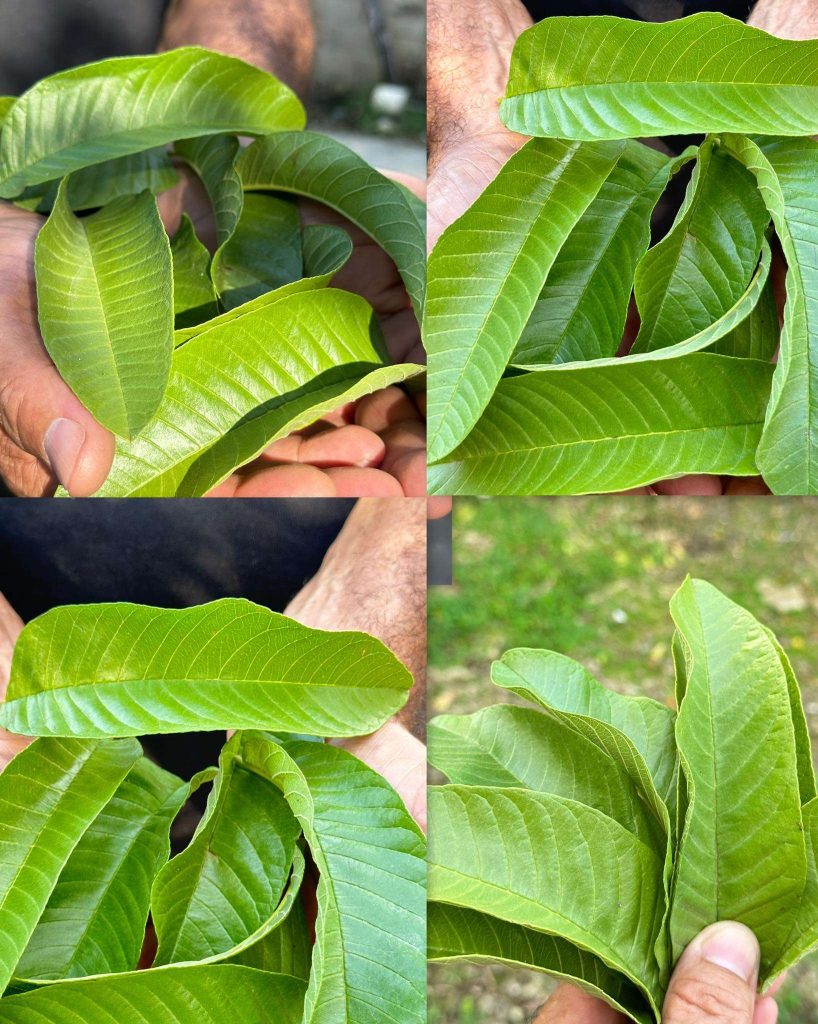
When we think of guava, our minds often jump to its sweet, fragrant fruit. However, lurking in the shadows of those tasty treats are the vibrant green leaves of the guava tree (Psidium guajava), a traditional remedy packed with a modern punch of health benefits. Far more than just tree foliage, these leaves are a concentrated source of antioxidants, anti-inflammatory agents, and antimicrobial compounds. This article will delve deep into the science and tradition behind guava leaves, transforming the way you see this common plant. We'll explore their remarkable benefits and provide practical ways to incorporate them into your wellness routine.
🧪 A Nutritional and Medicinal Profile
Guava leaves are a treasure trove of bioactive compounds. They are exceptionally rich in powerful antioxidants like quercetin, flavonoids, and carotenoids, which combat oxidative stress and cellular damage. Furthermore, they contain significant anti-inflammatory tannins (such as guavinoside), essential oils, and vitamins like Vitamin C and niacin. This potent combination is what underpins their diverse therapeutic applications, making them a versatile tool in natural medicine for centuries across Asia, Africa, and South America.
🩺 Key Health Benefits of Guava Leaves
Let's break down the most significant, evidence-backed benefits of incorporating guava leaves into your health regimen.
Blood Sugar Regulation
One of the most celebrated benefits is their positive effect on blood glucose levels. Compounds in the leaves inhibit the absorption of certain types of sugars in the bloodstream, such as maltose and sucrose. Regular consumption of guava leaf tea may help manage type 2 diabetes and insulin resistance. Several studies suggest that drinking guava leaf tea after meals can help suppress blood sugar spikes, making it a valuable dietary adjunct. 🍵
Digestive System Support
Guava leaves are excellent for gut health. Their antimicrobial and anti-inflammatory properties can help combat harmful bacteria like Staphylococcus aureus and Salmonella, potentially easing symptoms of food poisoning and gastroenteritis. They also have a mild anti-spasmodic effect, which can soothe stomach aches, reduce bloating, and alleviate symptoms of irritable bowel syndrome (IBS). For diarrhea, a concentrated tea acts as an effective astringent.
Heart Health and Cholesterol Management
The leaves contribute to cardiovascular wellness in multiple ways. The antioxidants help protect the heart from oxidative damage, while the hypolipidemic effect aids in lowering "bad" LDL cholesterol and triglycerides. They may also help increase "good" HDL cholesterol. By supporting healthy blood pressure and lipid profiles, guava leaves promote overall circulatory health. ❤️
Weight Management Aid
Guava leaf tea is a calorie-free beverage that can support weight loss efforts. It prevents complex carbohydrates from converting into sugars, potentially reducing the body's urge to store fat. Furthermore, its ability to stabilize blood sugar can help curb sudden hunger pangs and cravings, making it easier to maintain a balanced diet.
Skin, Hair, and Anti-Aging Properties
Applied topically or consumed, guava leaves work wonders for beauty. Their high antioxidant content fights free radicals, a primary cause of skin aging and wrinkles. The antimicrobial properties make a leaf decoction an excellent natural toner for acne-prone skin. For hair, rinsing with guava leaf tea can strengthen hair follicles, combat dandruff, and promote healthier, shinier hair growth. ✨
Immunity Boost and Anti-Cancer Potential
The vitamin C and immune-boosting compounds in the leaves enhance the body's natural defense mechanisms. More intriguingly, preliminary research indicates that guava leaf extract may have anti-proliferative effects on certain cancer cells, particularly those of the prostate and stomach. While more human studies are needed, the apoptotic (cancer cell-killing) properties observed in lab studies are promising.
🛠️ How to Use Guava Leaves: Practical Tips
To harness these benefits, here are simple and effective methods:
Guava Leaf Tea (Infusion): This is the most common method. Steep 5-10 fresh or dried leaves in hot water for 5-10 minutes. Strain and enjoy. You can drink 1-2 cups daily. For a stronger medicinal effect, boil the leaves for 10-15 minutes to make a decoction.
Topical Application: For skin issues, boil a handful of leaves, let the water cool, and use it as a facial wash or compress. For sore throats, use the cooled tea as a gargle.
Leaf Extract/Powder: You can find standardized supplements in capsule or powder form. Always consult a healthcare provider before starting any new supplement regimen, especially if you are on medication (like for diabetes or blood thinners).
⚠️ Important Considerations and Side Effects
While generally safe for most people, moderation is key. Excessive consumption may lead to constipation in some individuals due to the tannin content. Pregnant and breastfeeding women should use caution and consult a doctor. The most crucial warning is for individuals with diabetes: guava leaves can potentiate the effects of diabetes medication, leading to hypoglycemia. Blood sugar levels must be monitored closely if combining both.
🎯 Conclusion: Embracing a Natural Ally
Guava leaves stand as a powerful testament to the idea that often, the best remedies are found in nature's simplest offerings. From regulating blood sugar and aiding digestion to enhancing skin health and protecting the heart, their spectrum of benefits is both wide and deeply rooted in both tradition and emerging science. By integrating guava leaf tea into your daily routine or using it as a targeted natural treatment, you are tapping into an ancient, accessible, and potent source of wellness. Start with a simple cup of tea, observe how your body responds, and discover how this humble leaf can contribute significantly to a healthier, more balanced life. 🌿
Deja una respuesta