Benefits of Guava Leaves
 Espanol
Espanol
Unlocking Nature's Pharmacy: The Remarkable Benefits of Guava Leaves 🌿
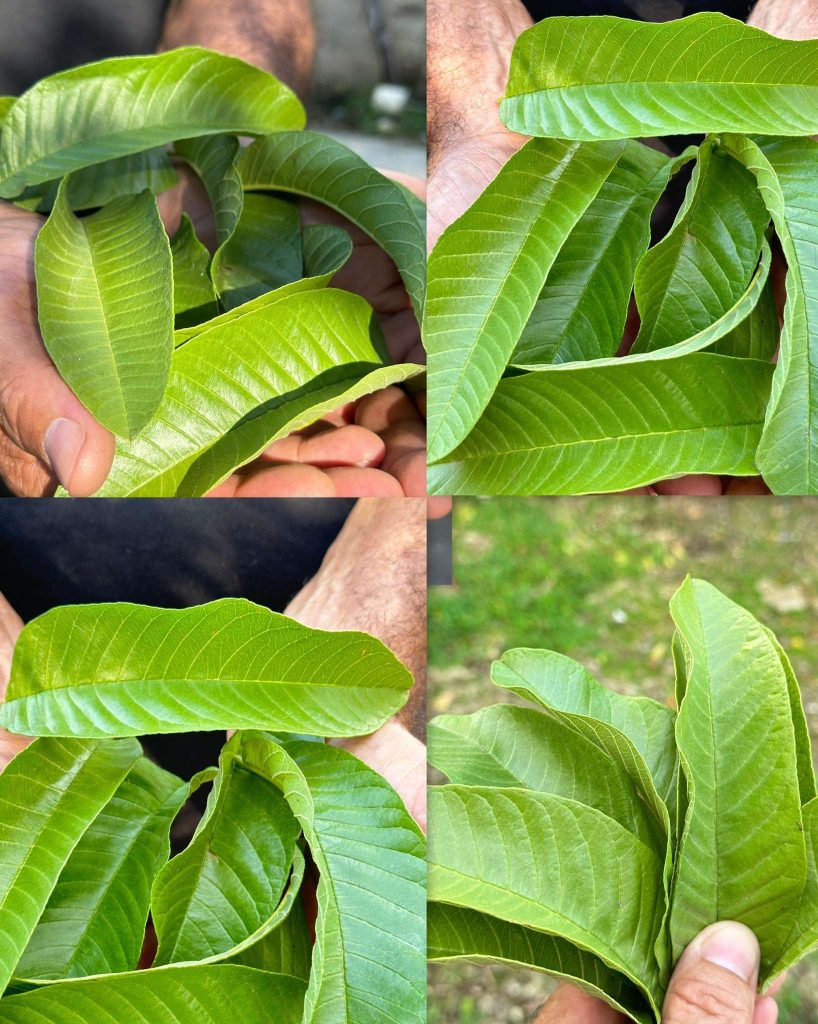
Often overshadowed by its delicious fruit, the humble guava leaf is a powerhouse of wellness waiting to be discovered. While the sweet and tangy guava fruit enjoys global fame, its leaves have been a cornerstone of traditional medicine across various cultures for centuries. This article delves deep into the science and tradition behind guava leaves, exploring their impressive health benefits and offering practical ways to integrate this natural remedy into your daily routine. From managing blood sugar to enhancing skin health, prepare to uncover the untapped potential of this readily available botanical treasure.
Nutritional Powerhouse: What's Inside the Leaf? 🔬
Guava leaves (Psidium guajava) are rich in potent bioactive compounds. They contain significant amounts of antioxidants like quercetin and flavonoids, which combat oxidative stress in the body. Furthermore, they are a source of essential vitamins, notably Vitamin C, and minerals like zinc and potassium. Most importantly, they possess powerful anti-inflammatory, antimicrobial, and astringent properties, which form the basis for most of their health applications. This unique composition transforms a simple leaf into a multi-targeted therapeutic agent.
Key Health Benefits Explored
Blood Sugar Regulation and Diabetes Support 🩸
One of the most researched benefits of guava leaves is their positive effect on blood glucose levels. Studies suggest that compounds in the leaves can inhibit the absorption of certain types of sugars in the bloodstream, such as maltose and sucrose. Drinking guava leaf tea after meals may help prevent blood sugar spikes. For individuals managing type 2 diabetes or insulin resistance, this can be a valuable, natural adjunct to a balanced diet and medical plan. The leaves may also improve insulin sensitivity, though consulting a healthcare professional is crucial before making any changes to a diabetes management regimen.
Digestive Health and Relief from Discomfort 🤢
Guava leaves have long been used to soothe various digestive ailments. Their anti-inflammatory properties can help calm an upset stomach, while their antimicrobial action may combat harmful gut bacteria responsible for diarrhea. For instance, a warm cup of guava leaf tea can provide relief from food poisoning symptoms or acute gastroenteritis. The leaves also contain compounds that may help reduce intestinal spasms and the secretion of excess digestive fluids, making them a versatile tool for gut health.
Cholesterol and Heart Health ❤️
Emerging research points to guava leaves' potential in supporting cardiovascular wellness. The antioxidants help protect "bad" LDL cholesterol from oxidation, a key step in the formation of arterial plaque. Some animal studies indicate that long-term consumption of guava leaf extract can lead to a decrease in LDL cholesterol and triglycerides while increasing "good" HDL cholesterol. Incorporating guava leaf tea as part of a heart-healthy lifestyle could contribute to better lipid profiles. This, combined with their potential blood pressure-lowering effects, makes them a friend to your heart.
Skin, Hair, and Anti-Aging Applications ✨
Applied topically, guava leaf concoctions can work wonders for skin and hair. The antiseptic and anti-inflammatory properties make it excellent for treating acne, redness, and skin infections. A simple face rinse with cooled guava leaf tea can tone skin, minimize pores, and reduce the appearance of blemishes. For hair, the leaves are believed to strengthen roots and prevent hair loss. Boiling leaves in water creates a potent rinse that can combat dandruff and promote a healthy, shiny scalp, thanks to its nutrient and antioxidant content that fights free radical damage.
Weight Management and Metabolic Boost ⚖️
While not a magic solution, guava leaves can support weight management efforts. By helping to regulate blood sugar and potentially blocking the conversion of complex carbohydrates into sugars, they can indirectly reduce cravings and promote a feeling of satiety. Furthermore, replacing sugary beverages with unsweetened guava leaf tea reduces overall calorie and sugar intake. Combine this natural aid with a balanced diet and regular exercise for optimal results. Its mild diuretic effect may also help reduce water retention.
How to Use Guava Leaves: Practical Tips
To harness these benefits, here are the most common and effective methods:
Guava Leaf Tea: This is the simplest way. Wash 5-7 fresh leaves (or use 1 tablespoon of dried leaves). Crush them lightly to release compounds, add to a cup of boiling water, cover, and steep for 8-10 minutes. Strain and enjoy. You can drink it warm or cold. For a more potent extract, simmer the leaves in water for 15-20 minutes.
Topical Applications: For skin and hair, prepare a strong decoction by simmering a large handful of leaves in 1 liter of water for 20-30 minutes. Let it cool completely, then use it as a facial toner, a soak for affected skin, or a final hair rinse after shampooing.
Powder Form: Dried, powdered guava leaves can be added to smoothies, juices, or even face masks.
Important Note: Always use leaves from a guava tree that has not been treated with pesticides. Start with small amounts to ensure you have no adverse reactions.
Conclusion: Embracing a Leaf of Wellness 🌱
In summary, guava leaves are far more than just tree foliage; they are a versatile, accessible, and natural supplement with a broad spectrum of health-promoting properties. From offering crucial support for metabolic health and digestion to enhancing your natural beauty from the outside in, the evidence—both traditional and scientific—is compelling. While they are not a substitute for professional medical advice or treatment, integrating guava leaf tea or extracts into a healthy lifestyle can be a proactive step toward enhanced well-being. We encourage you to explore this gift from nature, start with a simple cup of tea, and experience its benefits firsthand. Your journey to discovering nature's hidden pharmacies starts with a single leaf.
Deja una respuesta