Benefits of Guava Leaves
 Espanol
Espanol
The Hidden Powerhouse: Unveiling the Remarkable Benefits of Guava Leaves 🍃
Often overshadowed by the delicious and vitamin-C-rich guava fruit, the humble guava leaf is a treasure trove of wellness waiting to be discovered. 🌟 For centuries, these aromatic leaves have been a cornerstone in traditional medicine systems across the tropics, and modern science is now catching up, validating their impressive health-promoting properties. This article delves deep into the science and practical applications of guava leaves, moving beyond common knowledge to explore how this accessible natural remedy can be a powerful ally for your health. We'll uncover their nutritional profile, specific benefits, and exactly how you can incorporate them into your daily routine.
A Nutritional Powerhouse in Leaf Form 🔬
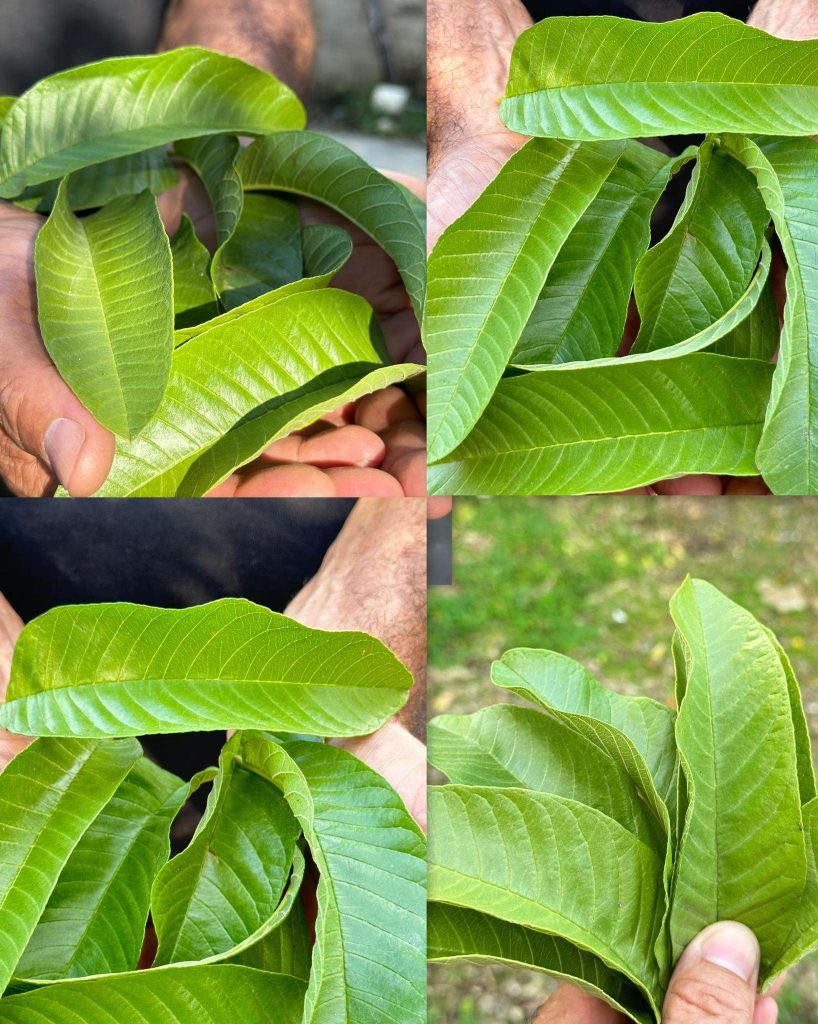
Guava leaves (Psidium guajava) are packed with a potent blend of bioactive compounds. They are rich in powerful antioxidants like quercetin and flavonoids, which combat oxidative stress and cellular damage. Furthermore, they contain essential vitamins (notably B vitamins and vitamin C) and minerals such as potassium and magnesium. However, their most celebrated components are their anti-inflammatory and antimicrobial agents, including various tannins and volatile oils. This unique composition is the foundation for their wide-ranging therapeutic effects.
Top Evidence-Based Health Benefits of Guava Leaves
Let's explore the key areas where guava leaf preparations, primarily tea, have shown significant promise.
1. A Natural Ally for Blood Sugar Management 🩸
This is one of the most well-researched benefits. Compounds in guava leaves inhibit the absorption of certain types of sugars in the intestine, such as maltose and sucrose. Drinking guava leaf tea after meals may help prevent blood sugar spikes. Several studies suggest it can improve insulin resistance and lower blood glucose levels in people with type 2 diabetes, making it a valuable complementary approach. Always consult your doctor before using it alongside diabetes medication.
2. Boosting Digestive Wellness 🤰
Guava leaves are excellent for your gut. Their antimicrobial properties help combat harmful bacteria like Salmonella and E. coli, potentially easing infectious diarrhea. More than just fighting bugs, the leaves have antispasmodic effects that can soothe stomach cramps and reduce discomfort from indigestion or irritable bowel syndrome (IBS). A warm cup of guava leaf tea can be a gentle, effective remedy for an upset stomach.
3. Supporting Heart Health and Cholesterol Levels ❤️
The antioxidants in guava leaves contribute to cardiovascular protection by preventing the oxidation of LDL ("bad") cholesterol, a key step in plaque formation. Some animal studies indicate that long-term consumption of guava leaf extract can help lower LDL cholesterol and triglycerides while raising HDL ("good") cholesterol. The potassium content also supports healthy blood pressure levels, offering a multi-faceted approach to heart health.
4. Enhancing Skin, Hair, and Oral Health ✨
Applied topically, guava leaf's anti-inflammatory and antimicrobial magic works wonders. A cooled tea rinse or crushed leaf poultice can accelerate the healing of wounds, acne, and insect bites. For hair, it may combat dandruff and strengthen follicles, reducing hair loss. As a mouthwash, it fights bacteria that cause bad breath and gingivitis, promoting overall oral hygiene.
5. Anti-Inflammatory and Pain-Relief Properties 😌
The quercetin in the leaves is a potent anti-inflammatory agent. This makes guava leaf tea a helpful natural remedy for soothing internal inflammation, such as arthritic pain, and reducing the discomfort of menstrual cramps (dysmenorrhea). It acts as a natural analgesic, providing relief without the side effects of over-the-counter drugs.
How to Use Guava Leaves: Practical Tips and Recipes
To harness these benefits, the most common method is preparing a simple infusion or tea.
Basic Guava Leaf Tea Recipe:
- Wash 5-10 fresh, organic guava leaves (or use 1 tablespoon of dried leaves).
- Bring 2 cups of water to a boil in a pot.
- Add the leaves, reduce heat, and let it simmer for 10-15 minutes to extract the compounds.
- Strain the liquid into a cup. The tea will have a distinct, earthy, and slightly sweet flavor.
- You can enjoy it warm or cold. For enhanced benefits, drink it once or twice daily, preferably after meals. You may add a teaspoon of honey or a slice of lemon for taste.
For Topical Use: Create a stronger decoction by boiling more leaves in less water. Let it cool completely before using it as a facial toner, hair rinse, or skin compress.
Important Precautions and Final Thoughts
While guava leaves are generally safe for most people, pregnant and breastfeeding women should consult a healthcare professional before use. Due to their potent effect on blood sugar, individuals with diabetes must monitor their levels closely if consuming regularly. As with any herbal remedy, moderation is key—start with small amounts to see how your body responds.
Conclusion: A Leaf Worth Embracing 🌿
From regulating blood sugar and soothing digestive issues to promoting radiant skin and a healthier heart, guava leaves offer an impressive array of benefits backed by both tradition and emerging science. They represent a perfect example of how nature provides powerful, accessible tools for wellness. By integrating guava leaf tea into your routine, you're not just enjoying a warm beverage; you're tapping into a centuries-old tradition of natural healing. We encourage you to explore this gentle yet effective remedy and experience its multifaceted benefits for your holistic health journey. Remember, the greatest health investments are often the simplest ones found in nature.
Deja una respuesta