Benefits of Guava Leaves
 Espanol
Espanol
Have you ever walked past a guava tree and admired its fruit, unknowingly overlooking one of its most powerful components? 🌿 While the sweet, fragrant guava fruit is widely enjoyed, its leaves hold a treasure trove of health benefits that have been utilized in traditional medicine for centuries. This article delves into the science-backed advantages of incorporating guava leaves into your wellness routine, offering practical ways to harness their potential. From blood sugar regulation to glowing skin, discover why this humble leaf deserves a spot in your pantry.
Unlocking the Nutritional Powerhouse 🧪
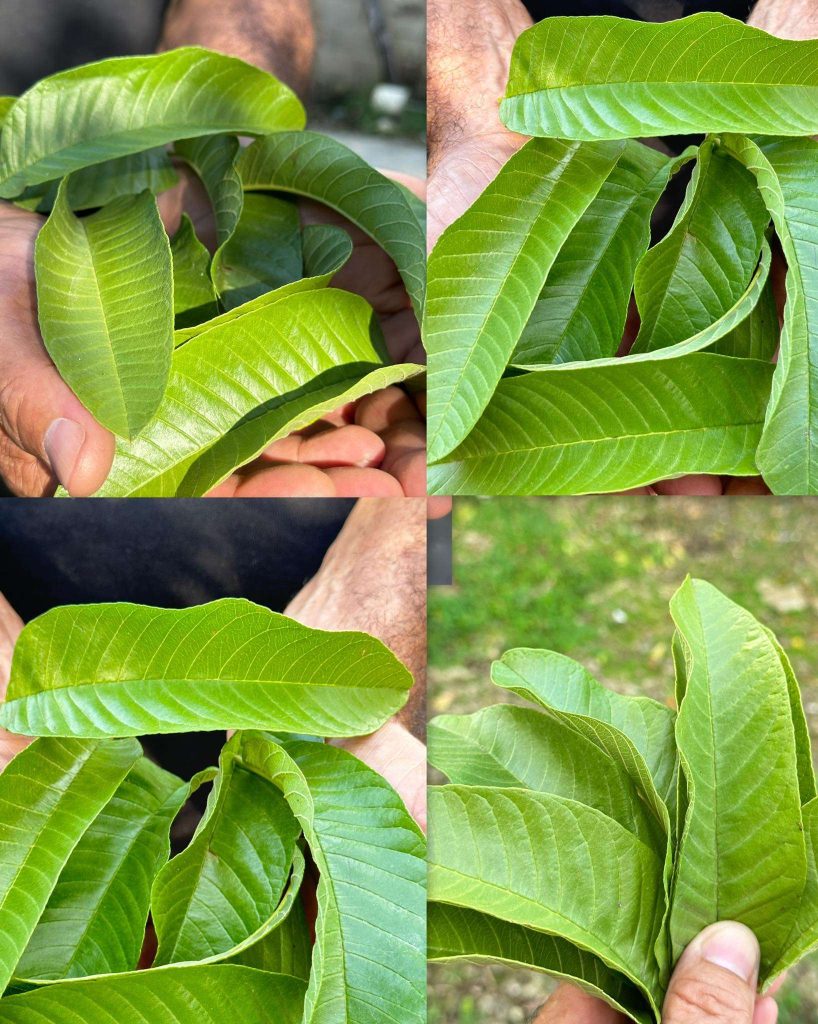
Guava leaves (Psidium guajava) are packed with potent bioactive compounds. They are rich in antioxidants like quercetin and vitamin C, as well as anti-inflammatory agents such as flavonoids and tannins. These compounds work synergistically to combat oxidative stress—the root cause of many chronic diseases. Furthermore, the leaves contain essential oils and antimicrobial substances, making them a versatile natural remedy. Understanding this dense nutritional profile is the first step to appreciating their wide-ranging applications for health and well-being.
Key Health Benefits and Practical Applications
Let's explore the specific, evidence-based benefits of guava leaves and how you can easily integrate them into your daily life.
Supports Digestive Health 🤢
Guava leaf tea is renowned for its soothing effects on the digestive system. Its anti-inflammatory properties can help alleviate symptoms of diarrhea and stomach aches. More importantly, the leaves possess antimicrobial power that can combat harmful gut bacteria like Staphylococcus aureus and E. coli, while promoting the growth of beneficial flora. For a practical remedy, simply steep a handful of clean leaves in hot water for 5-10 minutes and drink the tea after meals.
Aids in Blood Sugar Management 🩸
This is one of the most celebrated benefits. Studies suggest that compounds in guava leaves can help improve insulin sensitivity and lower blood glucose levels. They inhibit certain enzymes that convert carbohydrates into sugar in the bloodstream, leading to a more gradual sugar absorption. Consistent consumption of guava leaf tea, alongside a balanced diet, can be a supportive natural strategy for managing diabetes. However, it should complement, not replace, medical advice.
Promotes Heart Health ❤️
The trio of hypotensive (blood pressure-lowering), hypolipidemic (cholesterol-reducing), and antioxidant effects in guava leaves creates a powerful shield for your cardiovascular system. They help lower "bad" LDL cholesterol and triglycerides while preventing the oxidation of cholesterol—a key step in the formation of arterial plaque. By supporting healthier blood pressure and lipid profiles, guava leaves contribute significantly to long-term heart health.
Enhances Skin and Hair Beauty ✨
Applied topically, guava leaf extract can work wonders for your skin and hair. Its antimicrobial and anti-inflammatory qualities make it effective against acne and blemishes. You can create a simple face toner by boiling leaves, cooling the water, and applying it with a cotton pad. For hair, a rinse made from guava leaf decoction is believed to strengthen hair follicles, combat dandruff, and prevent hair loss, thanks to its nutrient-rich composition that nourishes the scalp.
Boosts Immunity and Fights Inflammation 🛡️
The high concentration of vitamin C and antioxidants in the leaves strengthens the body's immune defense system. Regularly drinking guava leaf tea can help your body ward off common infections like coughs and colds. Moreover, its anti-inflammatory properties are beneficial for reducing pain and swelling associated with conditions like arthritis. It acts as a natural analgesic, providing relief from discomfort.
How to Prepare and Use Guava Leaves: A Simple Guide
To reap these benefits, here are the most common and effective preparation methods:
- Tea/Infusion: Wash 5-10 fresh leaves (or use 1 tablespoon of dried leaves). Boil in 1 liter of water for 10 minutes. Strain and enjoy hot or cold. You can add honey or lemon for taste.
- Topical Paste: Crush fresh leaves into a fine paste and apply directly to affected skin areas for acne, insect bites, or minor wounds.
- Hair Rinse: Boil a large handful of leaves in water for 20 minutes. After shampooing, cool the mixture and use it as a final rinse on your hair and scalp.
- Supplement Form: Guava leaf extract is also available in capsule or tincture form. Always consult a healthcare professional before starting any new supplement regimen.
Conclusion: Embracing Nature's Green Pharmacy
In summary, guava leaves are far more than just tree foliage; they are a potent, accessible, and multi-purpose natural remedy. From aiding digestion and blood sugar control to enhancing heart health and beauty routines, their applications are impressively broad. 🌍 By incorporating guava leaf tea into your diet or using it in topical applications, you can tap into centuries of traditional wisdom now supported by modern science. We encourage you to explore this natural option, always in conjunction with a healthy lifestyle and professional medical guidance for specific conditions. Start small—perhaps with a cup of soothing guava leaf tea—and experience the benefits of this remarkable gift from nature.
Deja una respuesta