Benefits of Guava Leaves
 Espanol
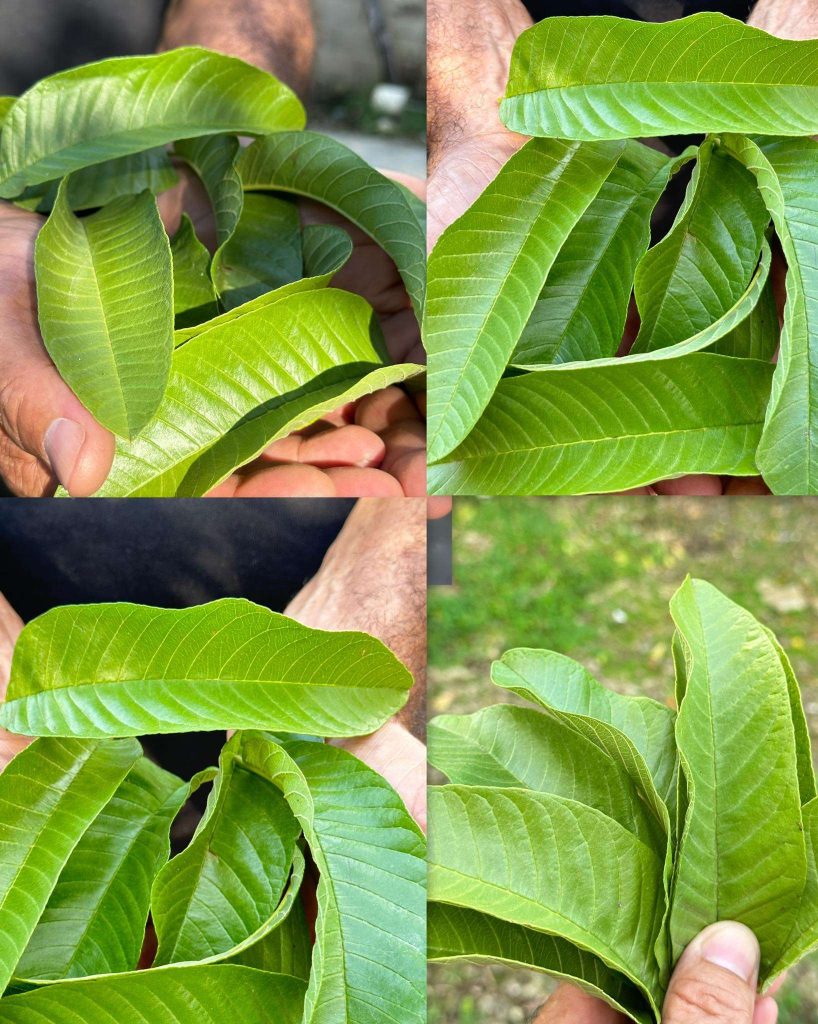
In the world of natural remedies and superfoods, the guava tree (Psidium guajava) is often celebrated for its delicious and vitamin C-rich fruit. 🌳 However, a true treasure trove of health benefits lies in its often-overlooked foliage. Guava leaves are packed with powerful bioactive compounds that have been used in traditional medicine for centuries. This article delves into the science-backed benefits of guava leaves, offering practical insights on how to harness their potential for improved wellness. Let's explore why these humble leaves deserve a spot in your natural health toolkit.
Espanol
Nutritional Powerhouse: What's in Guava Leaves?
Guava leaves are more than just tree foliage; they are a concentrated source of vital nutrients and antioxidants. They contain significant amounts of flavonoids like quercetin, powerful antioxidants such as vitamin C and carotenoids, and anti-inflammatory compounds like tannins. 🧪 Furthermore, they possess essential oils, triterpenes, and have a notable antimicrobial property. This unique blend of compounds is responsible for the wide array of therapeutic effects associated with guava leaf extracts and teas.
Digestive Health and Diarrhea Relief 🍃
One of the most traditional uses of guava leaves is for treating various digestive ailments. The leaves have strong antibacterial and anti-inflammatory properties that can help combat pathogens like Salmonella and E. coli in the gut. Drinking guava leaf tea is an effective remedy for soothing stomach pain, reducing the intensity of diarrhea, and treating food poisoning. The key is to prepare a strong decoction by boiling a handful of leaves for 10-15 minutes. For acute diarrhea, sipping on this tea 2-3 times a day can provide significant relief.
Blood Sugar Regulation and Diabetes Management
Emerging research highlights guava leaf tea as a promising ally for blood sugar control. Studies suggest that compounds in the leaves inhibit the absorption of certain types of sugar (like maltose and sucrose) in the bloodstream. 🩸 More importantly, they may improve insulin sensitivity and reduce blood glucose levels after meals. While not a substitute for prescribed medication, incorporating a cup of unsweetened guava leaf tea into a balanced diet can be a supportive practice for those managing type 2 diabetes or prediabetes. Always consult with your healthcare provider first.
Heart Health and Cholesterol Control ❤️
Supporting cardiovascular health is another remarkable benefit. The antioxidants in guava leaves help protect the heart from oxidative stress. Perhaps more impactful is their potential effect on cholesterol levels. Regular consumption of guava leaf extract has been linked to lowering "bad" LDL cholesterol and triglycerides while raising "good" HDL cholesterol. This lipid-balancing act, combined with a mild blood-pressure-lowering effect, contributes to a reduced risk of atherosclerosis and heart disease.
Skin and Hair Benefits: A Natural Beauty Secret
Your skincare routine could benefit greatly from guava leaves! Their high antioxidant content fights free radicals that cause premature aging, such as wrinkles and loss of elasticity. 🧴 Their antimicrobial and anti-inflammatory nature makes a cooled guava leaf tea an excellent natural toner for acne-prone skin, helping to reduce redness and prevent breakouts. For hair health, boiling guava leaves into a rinse can strengthen hair follicles, combat dandruff, and potentially slow down hair loss, leaving your scalp healthier and your hair shinier.
Immune System Boost and Antimicrobial Effects
The vitamin C and flavonoid content in guava leaves provides a solid boost to your immune system, enhancing your body's natural defense mechanisms. 🛡️ Moreover, research confirms their broad-spectrum antimicrobial activity against various bacteria, fungi, and even viruses. This makes guava leaf extract a valuable natural agent for oral health (fighting plaque bacteria), treating wounds to prevent infection, and supporting overall resilience against common pathogens.
How to Use Guava Leaves: Practical Tips
Incorporating guava leaves into your wellness routine is simple and versatile. The most common method is to make a tea or decoction. Here’s how:
- For Tea: Wash 5-10 fresh, organic leaves (or use 1 tablespoon of dried leaves). Place them in a cup and pour boiling water over them. Steep for 5-10 minutes, strain, and enjoy. You can drink 1-3 cups daily.
- For a Stronger Decoction: Boil a handful of leaves in 1 liter of water for 10-15 minutes until the water reduces and changes color. Strain and let it cool. Use this as a drink, a skin toner, or a hair rinse.
- Topical Use: Crush fresh leaves into a paste and apply directly to minor wounds, insect bites, or acne spots to leverage their healing properties.
Remember to source your leaves from trees not treated with pesticides, and start with small amounts to see how your body reacts. 🍵
Conclusion: A Leaf of Great Worth
As we have explored, guava leaves are far from ordinary. From promoting digestive comfort and regulating blood sugar to enhancing heart health, skin radiance, and immune defense, their benefits are both vast and impressive. 🌿 This natural remedy, backed by both tradition and growing scientific evidence, offers a simple, cost-effective way to support holistic health. We encourage you to explore the use of guava leaf tea as a refreshing, health-promoting beverage. Embrace this gift from nature, but always do so in conjunction with professional medical advice for specific health conditions. Here's to discovering the potent wellness hidden in the leaves of the common guava tree!
Deja una respuesta