Benefits of Guava Leaves
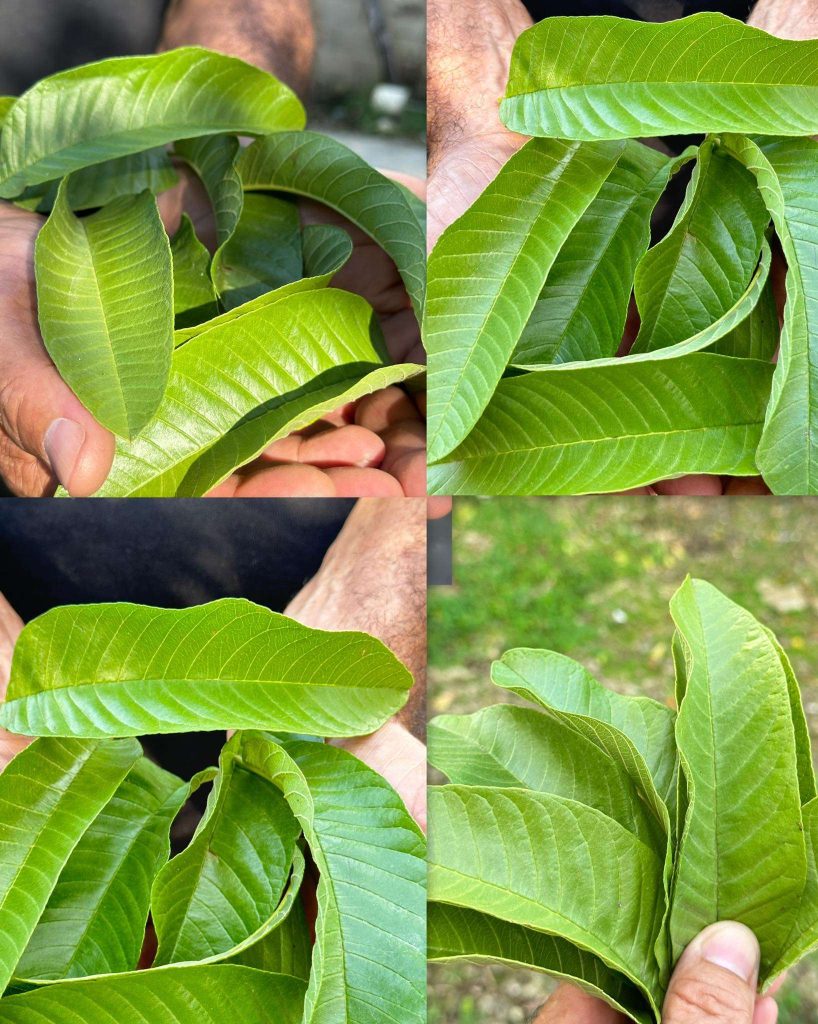
Introduction: Discover the Hidden Gem in Your Garden 🌿
 Espanol
When we think of guava, our minds often jump to the delicious, vitamin C-rich fruit. However, the true unsung hero of the Psidium guajava tree might just be its leaves. For centuries, these aromatic leaves have been a cornerstone in traditional medicine across various cultures, from Asia to Latin America. Today, modern science is beginning to validate what herbalists have long known: guava leaves are a potent source of wellness. This article delves deep into the remarkable benefits of guava leaves, moving beyond superficial claims to provide you with a comprehensive, practical guide. We'll explore their nutritional profile, specific health applications, and easy ways to incorporate them into your daily routine for a natural health boost.
Espanol
Nutritional Powerhouse: What's in Guava Leaves? 🔬
Guava leaves are more than just simple foliage; they are a dense concentration of bioactive compounds. The key to their efficacy lies in their rich composition of antioxidants (like quercetin and flavonoids), anti-inflammatory agents, and essential vitamins and minerals. They are particularly noted for their high vitamin C content—sometimes even higher than the fruit itself—and vitamins A, B, and K. Furthermore, they contain powerful compounds such as tannins, saponins, and eugenol, which contribute to their therapeutic properties. This unique blend makes the humble guava leaf a formidable ally against oxidative stress and inflammation, the root causes of many chronic conditions.
Digestive Health and Relief 🤢➡️😌
One of the most celebrated traditional uses of guava leaves is for soothing digestive ailments. The leaves possess strong antibacterial and anti-spasmodic properties that can help calm an upset stomach. If you suffer from diarrhea, food poisoning, or indigestion, a warm cup of guava leaf tea can provide significant relief. The tannins in the leaves have an astringent effect, which helps reduce intestinal inflammation and slow down digestive motility. Practical tip: To make a digestive tea, simply steep 5-6 washed leaves in hot water for 5-10 minutes. Strain and drink it warm. This simple remedy can be a game-changer for your gut health.
Blood Sugar Regulation: A Natural Aid for Diabetics 📉
Emerging research has shown promising results regarding guava leaves and blood sugar management. Compounds in the leaves appear to inhibit the absorption of sucrose and maltose in the blood, helping to prevent spikes in glucose levels after meals. Several studies suggest that drinking guava leaf tea can improve insulin sensitivity and lower blood sugar levels in people with type 2 diabetes. Important: While guava leaf tea can be an excellent complementary therapy, it is crucial to consult with your healthcare provider before making any changes to your diabetes management plan. It is not a replacement for prescribed medication but a supportive natural tool.
Skin and Hair Benefits: Your Natural Beauty Elixir ✨
Your journey to radiant skin and strong hair might start with a guava tree. The antimicrobial and antioxidant properties of the leaves make them excellent for topical application. For acne, blackheads, or skin irritation, a cool guava leaf decoction can be used as a facial toner to reduce redness and fight bacteria. The high antioxidant content also helps combat signs of aging by neutralizing free radicals. For hair care, boiling guava leaves into a potent rinse can strengthen hair follicles, reduce breakage, and combat dandruff. Pro tip: Create a hair rinse by boiling a handful of leaves for 20 minutes, let it cool, and use it as a final rinse after shampooing for visibly stronger hair.
Heart Health and Cholesterol Support ❤️
Supporting cardiovascular health is another significant benefit. The leaves' potent antioxidants help protect the heart from oxidative damage. More notably, regular consumption of guava leaf extract or tea has been linked to improving "good" HDL cholesterol and lowering "bad" LDL cholesterol and triglycerides. This effect is attributed to the leaves' ability to enhance hepatic lipid metabolism. By helping to manage cholesterol levels and potentially lowering blood pressure, guava leaves contribute to a healthier cardiovascular system, reducing the risk of atherosclerosis and related heart diseases.
How to Use Guava Leaves: Practical Tips and Precautions 🍵
Incorporating guava leaves into your wellness routine is surprisingly simple. The most common method is as a tea or decoction. You can use fresh, organic leaves (ensure they are clean) or dried leaves available in health stores. For a stronger medicinal brew, boil the leaves for 15-20 minutes. You can also find guava leaf extract in supplement form (capsules or tinctures). When using topically, always do a patch test first to check for skin sensitivity. While generally safe, it is wise to start with small amounts to see how your body reacts. Pregnant or breastfeeding women and individuals on blood-thinning medications should consult a doctor before use.
Conclusion: Embracing Nature's Pharmacy 🌱
In summary, guava leaves are a versatile and powerful natural remedy with a wide spectrum of proven benefits. From enhancing digestive health and regulating blood sugar to promoting radiant skin and supporting heart function, this readily available leaf is a testament to nature's ingenuity. By understanding its properties and learning simple ways to use it—like brewing a daily cup of tea—you can take a proactive step towards holistic health. Remember, the goal is to complement a balanced lifestyle, not replace professional medical advice. We encourage you to explore the potential of guava leaves and experience how this ancient wisdom can foster modern wellness. Your journey to natural health might just be a leaf away.
Deja una respuesta