BENEFITS OF GUAVA LEAVES
 Espanol
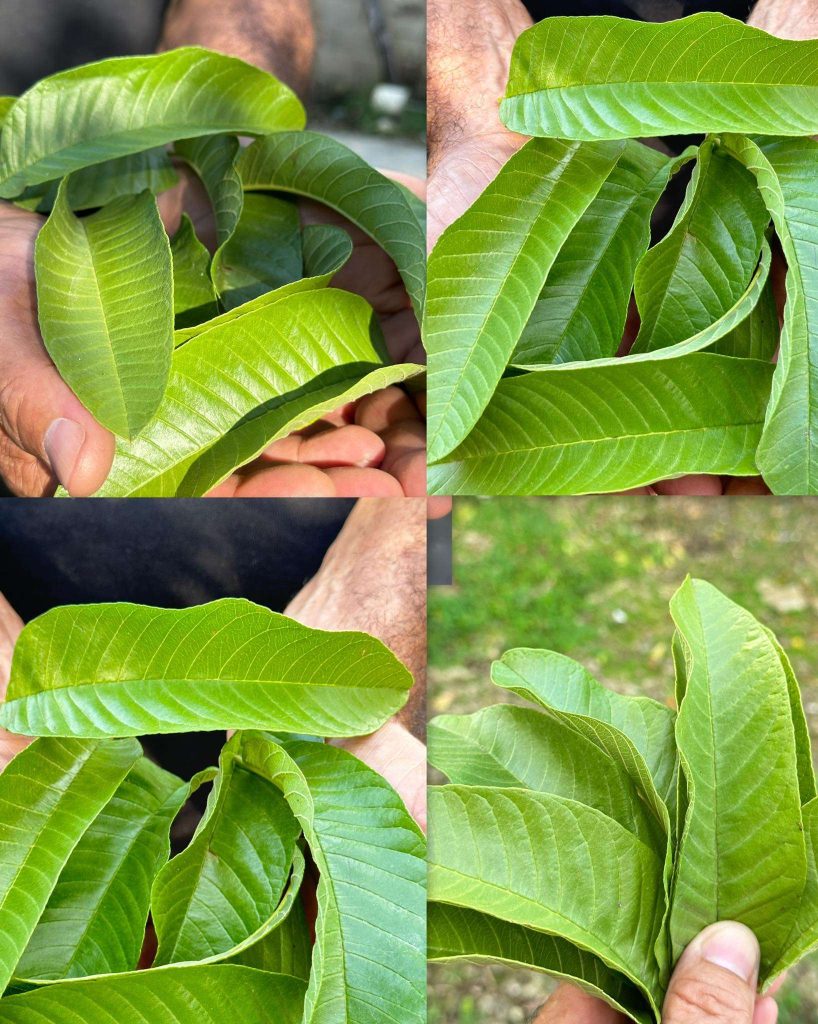
In the vast world of natural remedies, some of the most potent solutions are often found in the most common plants. The guava tree (Psidium guajava), celebrated for its delicious fruit, holds a secret powerhouse in its often-overlooked leaves. 🍃 Beyond the sweet pulp lies a treasure trove of health benefits, backed by both traditional wisdom and modern science. This article delves deep into the remarkable advantages of guava leaves, transforming them from garden waste into a cornerstone of natural wellness. We'll explore their nutritional profile, practical applications, and how you can easily integrate them into your daily routine for enhanced health.
Espanol
Unlocking the Nutritional Powerhouse 🌿
Guava leaves are packed with a formidable array of bioactive compounds. They are rich in powerful antioxidants like quercetin, flavonoids, and vitamin C, which combat oxidative stress and cellular damage. Furthermore, they contain essential anti-inflammatory agents and compounds with significant antimicrobial properties. This dense concentration of nutrients is what makes the humble guava leaf a multi-purpose tool for health, addressing everything from metabolic issues to skin care. Unlike the fruit, the leaves offer a more concentrated source of certain therapeutic compounds without the natural sugars.
Top Health Benefits of Guava Leaves Explored ⚕️
Let's break down the specific, science-backed benefits that make guava leaves so exceptional.
Blood Sugar Regulation: One of the most celebrated benefits is their ability to help manage blood glucose levels. Compounds in the leaves inhibit the absorption of certain types of sugars in the bloodstream, such as maltose and sucrose. Drinking guava leaf tea after meals may help prevent blood sugar spikes, making it a valuable supportive habit for those managing insulin sensitivity or type 2 diabetes. 🍵
Digestive Health Champion: Guava leaves have been used for centuries to tackle a range of digestive woes. Their anti-microbial properties can help combat harmful gut bacteria like Salmonella and E. coli, while their anti-inflammatory nature soothes the stomach lining. For issues like diarrhea, dysentery, or general stomach upset, a strong cup of guava leaf tea can provide relief by reducing the frequency and discomfort of bowel movements.
Heart Health Supporter: By helping to regulate blood pressure and "bad" LDL cholesterol levels, guava leaves contribute to cardiovascular wellness. The potassium and antioxidants help relax blood vessels, improving circulation and reducing strain on the heart. Incorporating guava leaf tea can be a simple, preventive measure for long-term heart health. ❤️
Skin and Hair Savior: Applied topically, guava leaf paste or rinse works wonders. Its antimicrobial and anti-inflammatory properties make it effective against acne, blackheads, and skin infections. For hair, it can combat dandruff, strengthen hair follicles to reduce hair loss, and even act as a natural conditioner, promoting shine and growth. It's nature's own skincare and haircare treatment.
Immunity and Anti-Cancer Potential: The high concentration of vitamin C and antioxidants bolsters the immune system's defenses. Notably, research suggests that the lycopene and quercetin in guava leaves may have anti-cancer properties, potentially inhibiting the growth of various cancer cells, though more human studies are needed in this promising area.
How to Use Guava Leaves: Practical Tips and Methods 🍵
Knowing the benefits is one thing; applying them is another. Here are the most effective and safe ways to use guava leaves.
Guava Leaf Tea (The Most Common Method):
- Rinse 5-10 fresh, organic guava leaves thoroughly.
- Add them to a pot with about 2 cups of water.
- Bring to a boil, then reduce heat and simmer for 10-15 minutes.
- Strain the liquid into a cup. You can add a touch of honey or lemon for flavor.
- Consume 1-2 cups daily, preferably after meals for digestive and blood sugar benefits.
Topical Application for Skin: Crush fresh leaves into a fine paste with a little water. Apply this paste directly to affected areas like acne, wounds, or itchy skin. Leave it on for 10-15 minutes before rinsing with cool water. Its astringent properties will help tone and clarify the skin.
Hair Rinse: Boil a large handful of leaves in a liter of water for 20 minutes. Allow the decoction to cool completely, then use it as a final rinse after shampooing. Massage it into your scalp and through your hair, then rinse with plain water or leave it in. This can soothe the scalp and add luster.
Important Safety Note: While generally safe, it is crucial to consult with a healthcare professional before using guava leaves therapeutically, especially if you are pregnant, breastfeeding, on medication (particularly for diabetes or blood thinners), or have scheduled surgery. Moderation is key.
Conclusion: Embracing Nature's Green Pharmacy 🌱
The journey through the benefits of guava leaves reveals a clear picture: this is a remarkably versatile and accessible natural remedy. From regulating blood sugar and soothing digestion to enhancing skin radiance and supporting heart health, guava leaves offer a holistic approach to well-being. They stand as a testament to the idea that profound healing often grows quietly in our own backyards. By incorporating guava leaf tea into your routine or using it in topical treatments, you are tapping into centuries of traditional knowledge validated by modern science. We encourage you to explore this natural ally—source fresh, clean leaves and experience the benefits firsthand. Your body will thank you for this simple, yet powerful, step toward natural health.
Deja una respuesta