Benefits of Guava Leaves
 Espanol
Espanol
Unlocking Nature's Pharmacy: The Remarkable Power of Guava Leaves 🌿
Often overshadowed by its delicious fruit, the humble guava leaf is a powerhouse of nutrients and medicinal compounds waiting to be discovered. While many enjoy the sweet, tropical taste of guava, few are aware that its leaves hold a secret trove of health benefits backed by both traditional wisdom and modern science. This article delves deep into the practical, evidence-based advantages of incorporating guava leaves into your wellness routine, offering you a natural, accessible path to better health. From stabilizing blood sugar to enhancing skin radiance, let's explore why this overlooked botanical deserves a prime spot in your kitchen cabinet.
The Science Behind the Green: Key Compounds in Guava Leaves 🔬
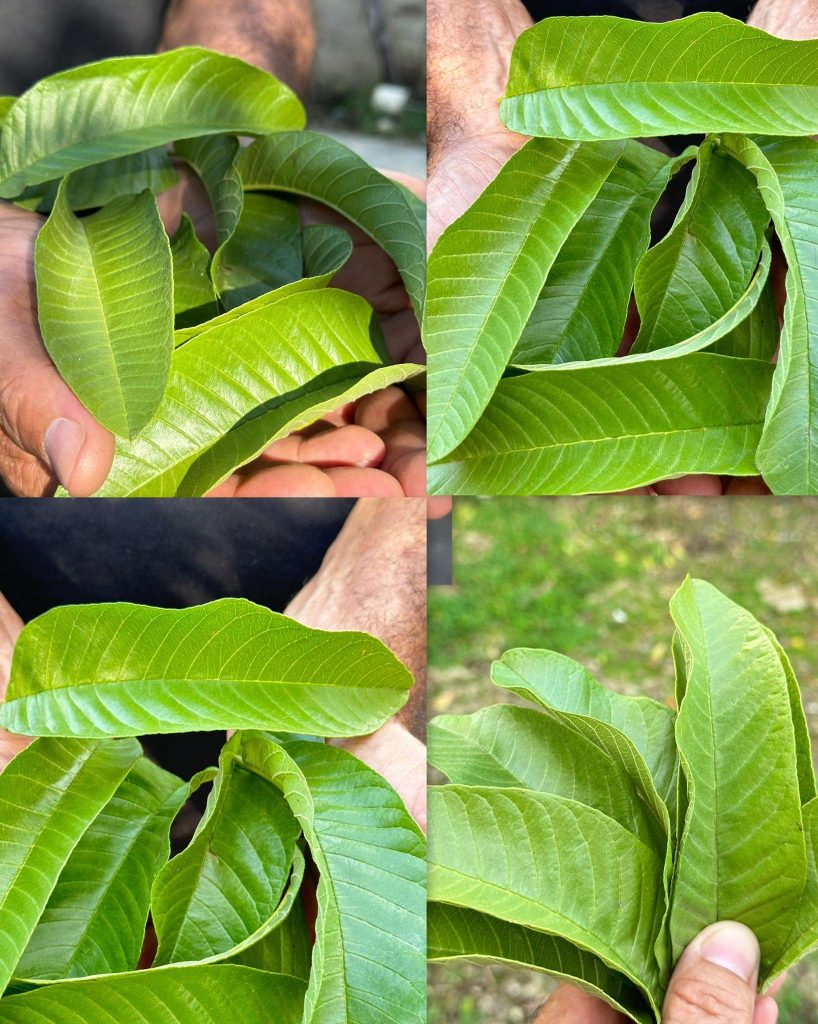
Guava leaves (Psidium guajava) are rich in potent bioactive substances including flavonoids (like quercetin), carotenoids, polyphenols, and essential oils. These compounds are responsible for their powerful anti-inflammatory, antimicrobial, and antioxidant properties. Notably, they contain quercetin, known for its anti-allergic and anti-histamine effects, and various tannins that contribute to their astringent quality. This unique phytochemical profile is the foundation for the wide array of health benefits we will explore.
Top Health & Wellness Benefits of Guava Leaves ✨
1. A Natural Ally for Blood Sugar Management 🩸
Research indicates that guava leaf tea can help improve insulin sensitivity and lower blood glucose levels. The leaves inhibit certain enzymes that convert carbohydrates into glucose in the bloodstream, leading to a more gradual sugar absorption. For those managing type 2 diabetes or prediabetes, drinking a cup of guava leaf tea after meals may be a beneficial complementary practice. Always consult with your healthcare provider before making changes to your diabetes management plan.
2. Promotes Digestive Harmony and Soothes Discomfort 🤢
The anti-microbial and anti-inflammatory properties of guava leaves make them excellent for gut health. They can help combat harmful bacteria like Staphylococcus aureus and E. coli, potentially reducing foodborne illnesses. A warm tea can alleviate symptoms of diarrhea, dysentery, and stomach cramps due to its astringent tannins, which help reduce intestinal inflammation and secretion.
3. Boosts Heart Health ❤️
Regular consumption of guava leaf extract may contribute to cardiovascular wellness. Studies suggest it can help lower "bad" LDL cholesterol and triglycerides while supporting "good" HDL cholesterol. The high potassium content helps regulate blood pressure, and the antioxidants protect against oxidative damage in blood vessels, reducing the risk of atherosclerosis.
4. Enhances Skin Health and Combats Aging 🧴
Applied topically or consumed, guava leaves are a skin savior. Their antioxidants fight free radicals that cause wrinkles and loss of elasticity. The anti-inflammatory and antimicrobial properties make a cooled guava leaf tea an effective toner for acne-prone skin, reducing redness and preventing breakouts. For minor wounds, insect bites, or rashes, a poultice can speed up healing.
5. Supports Weight Loss Efforts ⚖️
Guava leaf tea is a caffeine-free, low-calorie beverage that can aid weight management. It prevents complex starches from converting into sugars, potentially reducing calorie absorption. Furthermore, it promotes a feeling of fullness, helping to curb unnecessary snacking. Replacing sugary drinks with this herbal infusion is a simple, effective step.
6. Strengthens Immune Defense and Oral Health 🦷
Packed with vitamin C and flavonoids, guava leaves strengthen the immune system. Their potent antibacterial quality makes them fantastic for oral hygiene. Chewing on clean, tender leaves or using a mouth rinse made from boiled leaves can reduce plaque, soothe gum inflammation, and freshen breath by targeting oral pathogens.
How to Use Guava Leaves: Practical Tips and Preparations ☕
To harness these benefits, knowing how to prepare guava leaves is key. Always use fresh, organic leaves or high-quality dried leaves, ensuring they are free from pesticides.
✨ Guava Leaf Tea (Infusion): The most common method. Rinse 5-10 fresh leaves (or 1 tablespoon dried). Lightly crush them to release oils. Add to 2 cups of boiling water, reduce heat, and simmer for 10-15 minutes. Strain and enjoy warm or cold. You can add honey, ginger, or lemon for flavor.
✨ Topical Application (Skin & Hair): For a skin toner or hair rinse, prepare a strong decoction by simmering a handful of leaves in water for 20 minutes. Let it cool completely, strain, and apply to the face with a cotton pad or use as a final hair rinse to soothe the scalp and add shine.
✨ Powdered Form: Dried leaves can be ground into a fine powder using a spice grinder. This powder can be added to smoothies, juices, or even face masks.
Important Safety Note: While generally safe, start with small amounts to check for any allergic reactions. Pregnant or breastfeeding women and individuals on medication (especially for diabetes or blood thinning) should consult a doctor before regular consumption.
Conclusion: Embracing a Leaf of Good Health 🌟
Guava leaves are far more than just tree foliage; they are a versatile, natural remedy with a compelling scientific profile. From offering metabolic support and digestive relief to promoting radiant skin and a stronger heart, their benefits are both broad and profound. By integrating guava leaf tea into your daily ritual or using it as a targeted topical treatment, you are tapping into an ancient, yet scientifically relevant, source of wellness. Start with a simple cup of tea and observe how your body responds—this small step could open the door to significant, natural health improvements. Remember, the greatest treasures are often found in the simplest of nature's gifts. 🍃
Deja una respuesta