Benefits of Guava Leaves
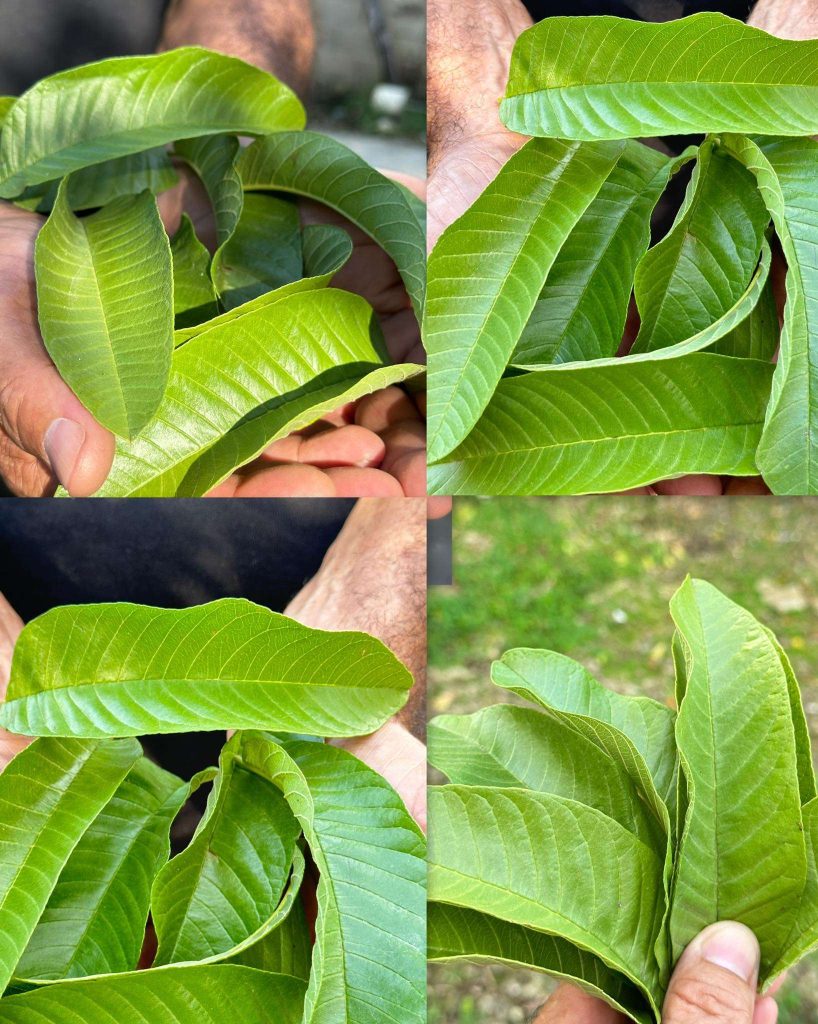
The Surprising Powerhouse: Unveiling the Remarkable Benefits of Guava Leaves 🍃
 Espanol
Often overshadowed by the sweet, fragrant fruit they nurture, guava leaves are a hidden gem in the world of natural wellness. While many enjoy the guava for its delicious taste, its leaves have been treasured in traditional medicine across various cultures for centuries. This article delves deep into the science-backed benefits of these versatile leaves, moving beyond common knowledge to explore their potent therapeutic properties. From managing blood sugar to enhancing skin health, we will uncover practical ways to incorporate this natural powerhouse into your daily routine for a healthier, more vibrant life.
Espanol
Nutritional Profile: What Makes Guava Leaves So Special? 🔬
Guava leaves (Psidium guajava) are packed with a rich array of bioactive compounds that contribute to their medicinal value. They are an excellent source of powerful antioxidants like quercetin and vitamin C, which combat oxidative stress and inflammation in the body. Furthermore, they contain beneficial flavonoids, tannins, and essential oils. Notably, they possess potent antibacterial and anti-inflammatory agents, making them a multifaceted tool for health. This unique composition is the foundation for the wide range of benefits they offer, acting not just as a supplement but as a functional food for holistic well-being.
Key Health Benefits Explored In-Depth
Let's explore the specific, evidence-supported advantages of integrating guava leaves into your health regimen.
1. Blood Sugar Regulation and Diabetes Management 📉
One of the most celebrated benefits of guava leaves is their potential to help regulate blood glucose levels. Compounds in the leaves inhibit the absorption of certain types of sugars in the bloodstream, such as maltose and sucrose. Drinking guava leaf tea after meals can be particularly effective. For optimal results, consider consuming a cup of guava leaf tea 20-30 minutes after your main meals. Studies suggest this practice can help prevent sharp spikes in blood sugar, making it a valuable complementary practice for those managing diabetes or pre-diabetic conditions, though it should never replace prescribed medication.
2. A Boon for Digestive Health 🤢➡️😊
Guava leaves have been traditionally used to soothe a troubled stomach. Their anti-microbial properties can help combat harmful gut bacteria like Staphylococcus aureus and Salmonella, which are often responsible for food poisoning and acute diarrhea. The leaves' anti-inflammatory nature also helps calm the gastrointestinal tract. Brewing a strong tea from the leaves is the most effective method to alleviate symptoms of indigestion, bloating, or mild foodborne illness. The tannins present provide an astringent effect, which can reduce mucus production and inflammation in the intestinal lining.
3. Heart Health and Cholesterol Support ❤️
Supporting cardiovascular health is another crucial benefit. The antioxidants in guava leaves help protect the heart from oxidative damage. More importantly, regular consumption of guava leaf extract has been linked to helping balance cholesterol levels. It may help reduce "bad" LDL cholesterol and triglycerides while maintaining or slightly elevating "good" HDL cholesterol. This lipid-regulating effect, combined with a potential mild blood-pressure-lowering property, contributes significantly to long-term heart health and reduced risk of atherosclerosis.
4. Skin and Hair Elixir ✨
The benefits of guava leaves extend powerfully to cosmetic applications. Their high antioxidant and antimicrobial content makes them excellent for skin care. A cooled guava leaf wash or paste can be applied topically to fight acne, reduce redness, and delay signs of aging by scavenging free radicals. For hair, boiling the leaves into a rinse can strengthen hair follicles, combat dandruff, and promote a healthy scalp due to its antimicrobial and nutrient-rich profile. It's a truly natural, multi-purpose beauty treatment.
5. Immune System and Anti-Inflammatory Powerhouse 🛡️
The significant vitamin C content in guava leaves—often higher than in the fruit itself—plays a vital role in strengthening the immune system. Additionally, the anti-inflammatory compounds like quercetin can help modulate the body's inflammatory response. This makes guava leaf tea a supportive drink during cold season or for managing conditions associated with chronic, low-grade inflammation. It’s a simple, warming beverage that supports your body's natural defense mechanisms from within.
How to Use Guava Leaves: Practical Tips and Methods ☕
Incorporating guava leaves into your routine is straightforward. The most common and effective method is to prepare a tea.
To make guava leaf tea:
- Wash 5-10 fresh, organic guava leaves thoroughly (or use 1 tablespoon of dried leaves).
- Add them to a pot with about 2 cups (500ml) of water.
- Bring to a boil, then reduce heat and let it simmer for 10-15 minutes to extract the beneficial compounds.
- Strain the leaves and enjoy the tea warm. You can add a touch of honey or lemon for flavor, but it's best consumed without sugar to maximize the health benefits.
For topical use, you can use the same boiled water as a facial toner after it cools, or crush fresh leaves into a paste for spot treatments on acne or irritated skin.
Conclusion: A Leaf Worth Discovering
In summary, guava leaves are far more than just tree foliage; they are a potent, accessible, and natural supplement with a wide spectrum of health applications. From aiding in blood sugar control and promoting digestive wellness to enhancing skin vitality and fortifying heart health, their benefits are both profound and practical. As we've explored, preparing a simple tea is an easy gateway to harnessing these advantages. While they are generally safe, it's always prudent to consult with a healthcare professional before making significant changes to your health regimen, especially if you have underlying conditions or are pregnant. Embrace the humble guava leaf as a powerful ally in your journey toward natural, holistic health. 🌿
Deja una respuesta