Benefits of Guava Leaves
 Espanol
Espanol
Introduction: Unlocking the Power of a Common Leaf
When we think of the guava tree, our minds often jump directly to its delicious and vitamin C-rich fruit. 🍈 However, a true wellness secret lies in its often-overlooked foliage. Guava leaves are a powerhouse of bioactive compounds, offering a remarkable range of health benefits backed by both traditional medicine and growing scientific research. This article delves deep into the practical advantages of incorporating guava leaves into your wellness routine, moving beyond superficial claims to provide you with clear, actionable insights. Let's explore how this humble leaf can contribute to a healthier you.
Nutritional Profile: What Makes Guava Leaves Special?
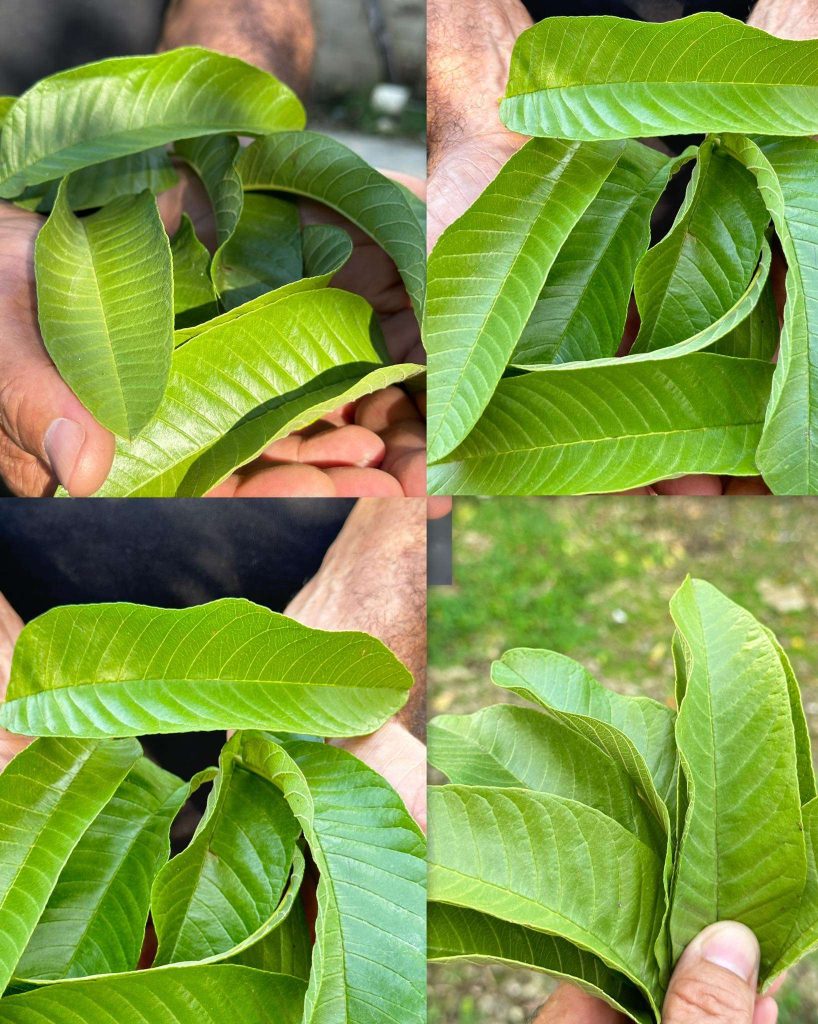
Guava leaves (Psidium guajava) are packed with potent antioxidants like quercetin, flavonoids, and carotenoids. They are also a rich source of anti-inflammatory tannins, essential oils, and vitamins, notably vitamin C and niacin. This unique combination is responsible for their wide-ranging therapeutic properties. Understanding this rich composition is key to appreciating their health impacts. 🧪
Digestive Health and Weight Management Support
One of the most celebrated uses of guava leaves is for digestive wellness. The leaves possess strong antimicrobial and anti-inflammatory properties that can help combat harmful gut bacteria like Staphylococcus aureus and Salmonella, potentially reducing foodborne illnesses and easing symptoms of diarrhea. 🌱
Furthermore, compounds in the leaves inhibit the absorption of dietary carbohydrates. This action can help lower blood sugar spikes after meals and may assist in weight management efforts by reducing the conversion of complex sugars into fat. A simple cup of guava leaf tea after a meal can be a soothing and beneficial ritual.
A Friend for Blood Sugar Regulation
For those monitoring their blood glucose levels, guava leaves present a promising natural ally. Several studies indicate that guava leaf extract can improve insulin resistance and help lower blood sugar levels. The leaves appear to inhibit certain enzymes that convert carbohydrates in the digestive tract into glucose, leading to a more gradual sugar release into the bloodstream. 📉
Important Note: While supportive, guava leaf tea or extract should not replace prescribed diabetes medication. Always consult with your healthcare provider before using it as part of your management plan.
Boosting Heart Health and Cholesterol Levels
The heart-healthy benefits of guava leaves are twofold. First, their high potassium and antioxidant content helps regulate blood pressure by improving sodium balance and protecting blood vessels from oxidative damage. ❤️ Second, research suggests that consuming guava leaf tea over several weeks can lead to a significant decrease in "bad" LDL cholesterol and triglycerides, without adversely affecting "good" HDL cholesterol. This lipid-modulating effect contributes to a lower risk of atherosclerosis and heart disease.
Enhancing Cognitive Function and Skin Vitality
The benefits extend to your brain and skin. The antioxidants in guava leaves, particularly quercetin, are neuroprotective and may help prevent the degeneration of brain cells, potentially lowering the risk of cognitive disorders like Alzheimer's. 🧠
For your skin, the antimicrobial and anti-inflammatory traits make guava leaf extract an excellent remedy for acne, eczema, and skin allergies. You can apply a cooled tea rinse topically to reduce redness and irritation, or look for skincare products containing guava leaf extract. The vitamin C also promotes collagen production, aiding in skin elasticity and fighting signs of aging. ✨
Practical Guide: How to Use Guava Leaves
To harness these benefits, here’s how you can prepare guava leaf tea, the most common method of consumption:
- Harvest or Purchase: Use fresh, organic guava leaves or dried ones from a reputable source.
- Wash: Rinse the leaves thoroughly under cold water. 💧
- Prepare: Boil 1-2 cups of water and add 5-10 fresh leaves (or 1 tablespoon of dried leaves).
- Steep: Let it simmer for 10-15 minutes on low heat to extract the active compounds fully.
- Strain and Serve: Strain the leaves and enjoy the tea warm. You can add a touch of honey or lemon for flavor, but avoid sugar to maximize health benefits.
For topical use, allow the tea to cool completely before applying it to clean skin with a cotton pad.
Conclusion: Embracing a Natural Wellness Aid
In summary, guava leaves are far more than just tree foliage; they are a versatile, natural supplement with profound benefits for digestive health, blood sugar and cholesterol regulation, heart function, cognitive support, and skin care. 🌿 From brewing a simple tea to using it as a topical treatment, incorporating this natural remedy into your lifestyle is both practical and rewarding.
However, moderation is key. While generally safe, it's prudent to start with small amounts and always seek advice from a healthcare professional, especially if you are pregnant, breastfeeding, or on medication. By understanding and utilizing the power of guava leaves, you take a proactive step towards holistic health, connecting with a tradition of natural healing that is both ancient and validated by modern science. Start your journey today by preparing your first cup of guava leaf tea and experience the difference nature can make. ☕
Deja una respuesta