Benefits of Guava Leaves
 Espanol
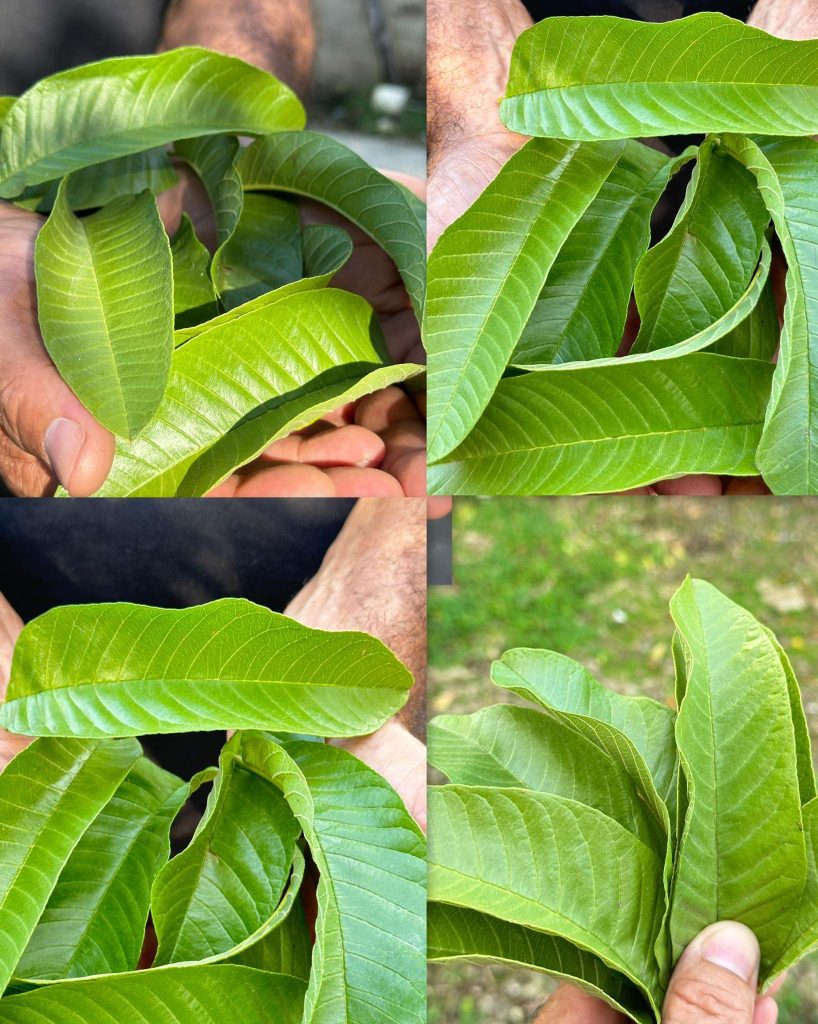
Welcome to a comprehensive exploration of the humble yet powerful guava leaf! 🍃 Often overshadowed by the delicious fruit it yields, the guava leaf is a treasure trove of health benefits backed by both traditional wisdom and modern science. This article will delve into the remarkable properties of these leaves, offering you practical insights into how they can enhance your well-being. From digestive health to blood sugar management, prepare to discover why this natural remedy deserves a spot in your wellness routine.
Espanol
Unlocking the Powerhouse: What Makes Guava Leaves Special? 🔬
Guava leaves (Psidium guajava) are rich in potent bioactive compounds, including flavonoids (like quercetin), carotenoids, polyphenols, and essential oils. These compounds are responsible for their powerful antioxidant, anti-inflammatory, antimicrobial, and anti-diabetic properties. Unlike the fruit, the leaves have a more concentrated medicinal profile, making them a staple in various herbal medicine systems across the globe for centuries. Their versatility allows them to be consumed as tea, extracts, or used topically.
A Friend to Your Gut: Digestive and Anti-Diarrheal Benefits 🤢➡️😌
One of the most celebrated traditional uses of guava leaf is for gastrointestinal issues. The leaves contain compounds that exhibit strong anti-spasmodic and antimicrobial activities. This makes guava leaf tea an excellent remedy for soothing stomach cramps, reducing bloating, and combating bacterial infections that cause diarrhea (such as from Staphylococcus aureus or E. coli). For a practical tip: steep 5-6 fresh or dried leaves in hot water for 5-10 minutes and drink this tea 1-2 times daily when experiencing digestive discomfort.
Nature's Aid for Blood Sugar Management 📉
Emerging research points to guava leaf's promising role in managing type 2 diabetes. Studies suggest that compounds in the leaves can help inhibit the absorption of sucrose and maltose in the intestine, leading to a more gradual rise in blood sugar levels after meals. Furthermore, they may improve insulin sensitivity. While not a replacement for prescribed medication, incorporating unsweetened guava leaf tea can be a supportive dietary strategy. Always consult with your healthcare provider before using it as part of a diabetes management plan. 💡
Boosting Heart Health and Circulation ❤️
The antioxidant prowess of guava leaves extends to cardiovascular protection. The high potassium content helps regulate blood pressure by counteracting the effects of sodium. More importantly, the leaves may help lower "bad" LDL cholesterol and triglycerides while potentially raising "good" HDL cholesterol. This combination of effects supports healthier blood vessels and reduces the risk of atherosclerosis. A simple daily cup of tea can be a heart-smart habit.
Skin and Hair Elixir: Topical Applications ✨
Don't just drink it—apply it! The anti-inflammatory and antimicrobial properties make guava leaf an excellent topical treatment. A cooled guava leaf tea rinse or paste can:
- Combat acne and reduce skin inflammation.
- Soothe insect bites and skin allergies.
- Strengthen hair follicles, potentially reducing hair loss.
- Treat minor wounds and infections due to its antiseptic quality.
For an easy face tonic, boil a handful of leaves, let the water cool, strain it, and use it as a final rinse after cleansing.
Weight Management Support and Metabolic Boost ⚖️
Guava leaves may aid weight management efforts. By preventing the complex carbohydrates in food from breaking down into absorbable sugars, they can help reduce calorie absorption. Additionally, the leaves are caffeine-free and can support metabolism without the jitters associated with other stimulants. Drinking a cup before meals might help you feel fuller and manage cravings more effectively. 🍵
How to Prepare and Use Guava Leaves Safely
To reap the benefits, proper preparation is key:
- Tea (Infusion): Use 5-10 dried leaves or 3-5 fresh leaves per cup. Pour boiling water over them, cover, and steep for 5-10 minutes. Strain and enjoy. You can add a dash of honey or lemon, but avoid sugar to maximize benefits.
- Decoction: For a stronger extract, simmer the leaves in water for 10-15 minutes. This is ideal for topical use or for a more potent tea.
- Topical Paste: Crush fresh leaves into a paste with a little water and apply directly to the affected skin area.
Start with one cup per day to assess tolerance. While generally safe, excessive consumption may cause constipation in some individuals. Pregnant or nursing women and those on medication should consult a doctor first.
Conclusion: Embracing a Leaf of Wellness 🌿
In summary, guava leaves are a multifaceted natural remedy offering significant benefits for digestive health, blood sugar control, heart function, skin vitality, and metabolic support. Their strength lies in the synergistic effect of their rich antioxidant and anti-inflammatory compounds. While they are a powerful adjunct to a healthy lifestyle, it's crucial to remember they are a supplement, not a substitute for professional medical advice or treatment. We encourage you to explore incorporating high-quality, organic guava leaf tea into your routine and observe the positive changes. Start small, be consistent, and unlock the gentle, potent power of nature's green pharmacy. Here's to your health! 🥂
Deja una respuesta