Benefits of Guava Leaves
 Espanol
Espanol
Espanol
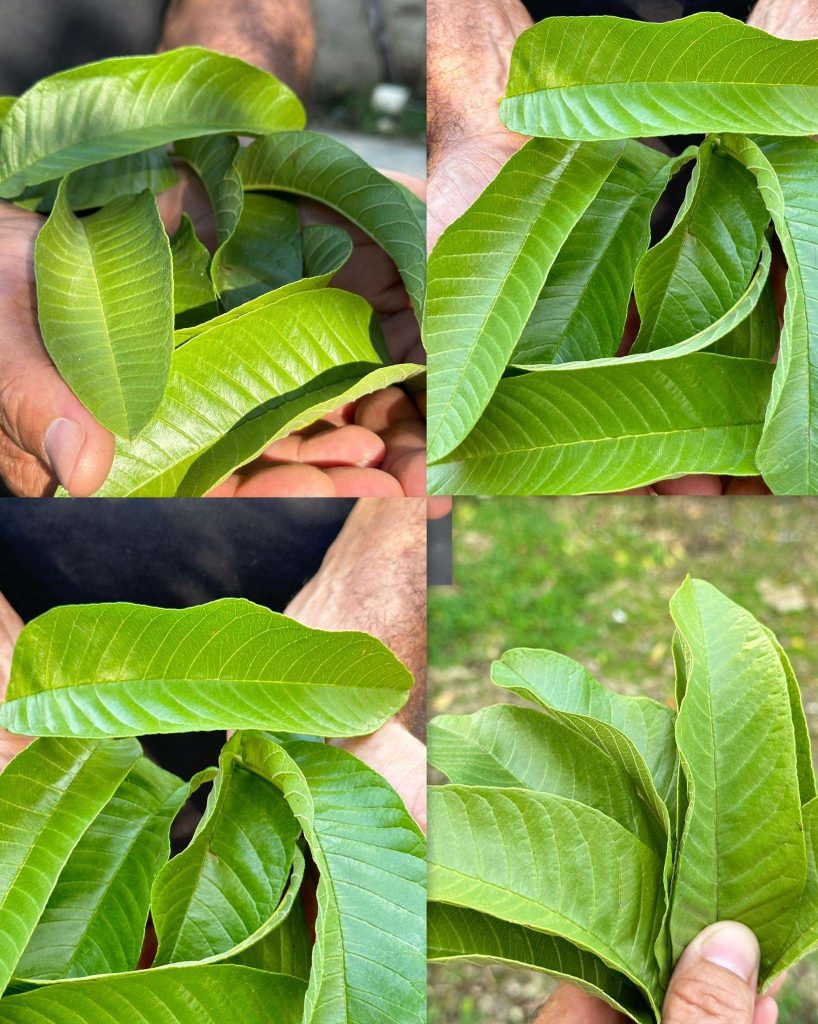
Often overshadowed by its sweet, tangy fruit, the humble guava tree (Psidium guajava) holds a secret powerhouse in its foliage. 🍃 While the fruit steals the spotlight for its vitamin C content, guava leaves have been revered for centuries in traditional medicine across tropical regions for their dense concentration of bioactive compounds. This article delves into the remarkable, science-backed benefits of guava leaves, transforming this common garden plant into a cornerstone of natural wellness. We will explore their diverse applications, from managing blood sugar to enhancing skin health, and provide practical ways to incorporate them into your daily routine.
Beyond the Fruit: Unveiling the Power of the Leaf 🌿
Guava leaves are a treasure trove of antioxidants, including powerful flavonoids like quercetin, and anti-inflammatory compounds such as tannins. They are also rich in vitamins (notably vitamin C and B vitamins) and minerals. This unique phytochemical profile is responsible for their wide-ranging therapeutic properties, offering a natural, holistic approach to supporting various aspects of health.
A Friend to Your Digestive System 🤢➡️😊
Perhaps one of the most traditional uses of guava leaves is for gastrointestinal relief. Their potent antibacterial and anti-inflammatory qualities can help combat harmful gut bacteria like Staphylococcus aureus and Salmonella, often responsible for food poisoning and diarrhea. Drinking guava leaf tea is a highly effective remedy for soothing an upset stomach, reducing abdominal pain, and firming up stools. Furthermore, the leaves may help inhibit the activity of specific digestive enzymes, potentially aiding in the management of symptoms related to irritable bowel syndrome (IBS).
Supporting Balanced Blood Sugar Levels 📊
Emerging research presents guava leaf tea as a promising ally for blood sugar regulation. Compounds in the leaves appear to inhibit certain enzymes (alpha-glucosidase) that convert carbohydrates into glucose in the gut, leading to a slower and lower rise in blood sugar after meals. Several studies, including those published in the journal Nutrition & Metabolism, have shown that drinking guava leaf tea can improve insulin resistance and lower blood sugar levels in individuals with type 2 diabetes or those at risk. While not a replacement for prescribed medication, incorporating unsweetened guava leaf tea can be a beneficial complementary dietary strategy under medical guidance. 💚
Promoting Heart Health and Circulation ❤️
The benefits extend to your cardiovascular system. The high potassium and soluble fiber content in guava leaves contribute to lowering "bad" LDL cholesterol and triglycerides while raising "good" HDL cholesterol. Their vasodilatory effect helps relax blood vessels, which can lead to reduced blood pressure. The antioxidant activity also protects the heart and blood vessels from oxidative stress and inflammation, key factors in the development of atherosclerosis (hardening of the arteries).
Enhancing Oral Hygiene and Skin Health 🦷✨
Thanks to their strong anti-inflammatory and antimicrobial properties, guava leaves are excellent for oral care. Chewing on clean, tender leaves or using a mouthwash made from boiled leaf water can alleviate toothache, heal mouth ulcers, and combat gingivitis by reducing plaque-causing bacteria. For your skin, applying a cooled guava leaf decoction or paste can work wonders. It helps treat acne due to its bacteria-fighting ability, reduces inflammation associated with eczema and psoriasis, and its antioxidants may help slow down skin aging by combating free radical damage.
Aiding in Weight Management and Boosting Immunity ⚖️🛡️
Guava leaf tea is a virtually calorie-free, nutrient-dense beverage that can support weight management efforts. It helps prevent complex starches from being converted into sugars, which can reduce calorie absorption. As a rich source of vitamin C and antioxidants, it provides a solid boost to the immune system, helping the body fend off common pathogens like viruses and bacteria. Regular consumption, especially during seasonal changes, can fortify your body's natural defenses.
Practical Guide: How to Use Guava Leaves 🍵
Harnessing these benefits is simple and economical. The most common method is to prepare a tea or decoction.
- Wash 5-10 fresh, organic guava leaves (or use 1 tablespoon of dried leaves).
- Boil them in about 1 liter of water for 10-15 minutes.
- Strain the liquid and allow it to cool slightly.
- You can drink it warm or cold, optionally adding a touch of honey or lemon for flavor (though it's best consumed without sugar to maximize benefits).
For topical use on skin or as a mouth rinse, ensure the decoction is fully cooled and use it twice daily. You can also find guava leaf extract in supplement form, but it is crucial to consult with a healthcare professional before starting any new supplement regimen.
Conclusion: An Accessible Leaf with Extraordinary Potential
In summary, guava leaves are far more than just tree foliage; they are a versatile, natural remedy with a compelling scientific backdrop. From soothing digestive distress and supporting metabolic health to enhancing your skin's radiance and strengthening your immune response, this readily available leaf offers a multitude of health advantages. 🌟 By integrating a simple cup of guava leaf tea into your wellness routine or using it topically, you are tapping into an ancient wisdom supported by modern research. As with any natural intervention, consistency is key, and for specific health conditions, it should complement, not replace, professional medical advice. Embrace the power of nature's pharmacy and discover what guava leaves can do for you.
Deja una respuesta