Benefits of Guava Leaves
 Espanol
Espanol
Espanol
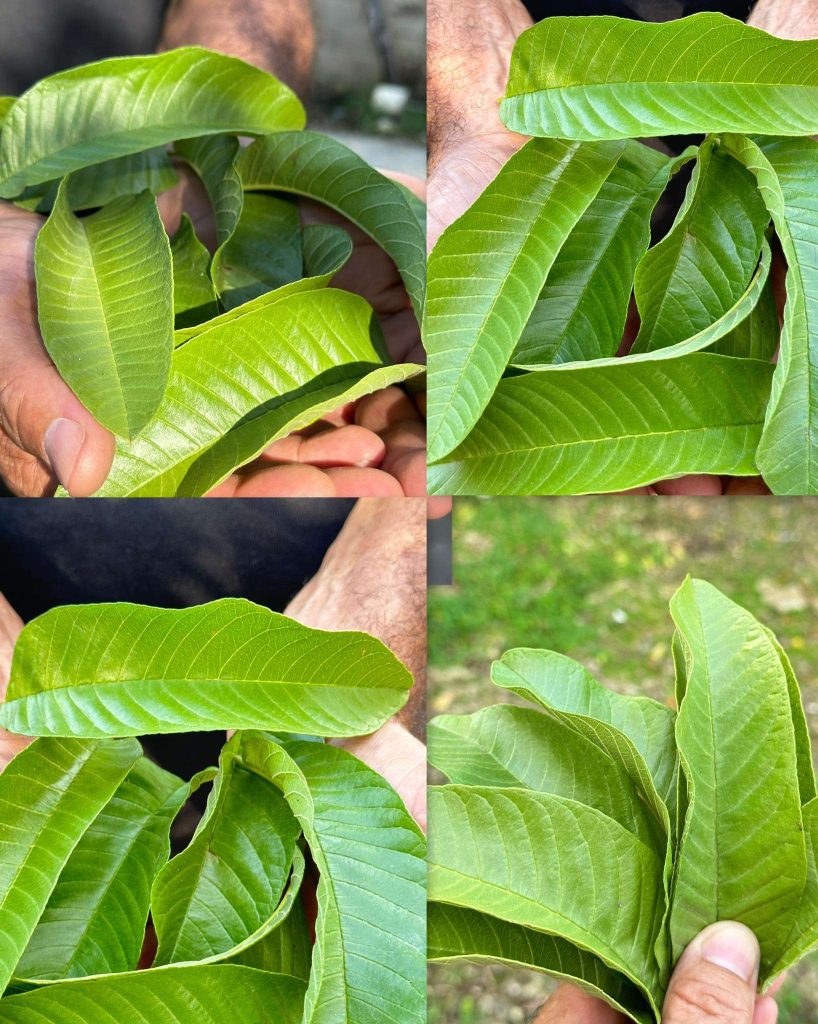
Have you ever walked past a guava tree and admired its lush green leaves? 🍃 While the sweet, tangy fruit often steals the spotlight, the humble guava leaf is a powerhouse of wellness quietly growing in many backyards. Far more than just foliage, these leaves have been revered in traditional medicine for centuries, offering a natural and accessible path to better health. This article delves into the impressive science-backed benefits of guava leaves and provides practical ways for you to incorporate them into your daily wellness routine.
Unveiling the Powerhouse: Nutritional Profile of Guava Leaves
Guava leaves (Psidium guajava) are packed with a rich array of bioactive compounds. They are an excellent source of potent antioxidants like quercetin, flavonoids, and carotenoids, which combat oxidative stress and cellular damage in the body. Furthermore, they contain essential anti-inflammatory agents and beneficial tannins. These leaves also boast important vitamins, notably high levels of vitamin C 🍊, and minerals such as potassium and magnesium. This unique composition forms the foundation for their wide-ranging therapeutic properties.
Top Health Benefits: From Blood Sugar to Beautiful Skin
The applications of guava leaf tea and extracts are remarkably diverse. Let's explore some of the most significant, evidence-based health advantages.
🌿 Blood Sugar Regulation: One of the most celebrated benefits is its positive effect on blood glucose levels. Studies suggest that compounds in guava leaves can inhibit certain enzymes that convert carbohydrates into sugar in the bloodstream, such as alpha-glucosidase. Drinking guava leaf tea after meals may help prevent blood sugar spikes, making it a valuable supportive natural remedy for individuals managing diabetes or insulin resistance.
❤️ Heart Health and Cholesterol Support: By helping to regulate blood sugar and blood pressure, guava leaves contribute to cardiovascular wellness. The antioxidants and potassium help relax blood vessels, improving circulation. Additionally, regular consumption may aid in lowering "bad" LDL cholesterol and triglycerides while raising "good" HDL cholesterol, promoting a healthier lipid profile.
🦠 Digestive and Gastrointestinal Relief: Guava leaves have strong antimicrobial and anti-inflammatory properties that can soothe the digestive tract. They are traditionally used to combat diarrhea, dysentery, and stomach aches by inhibiting harmful bacteria like Staphylococcus aureus. The leaves also help reduce the production of extra mucus that can irritate the intestines, easing discomfort.
🧠 Weight Management Ally: Guava leaves prevent complex starches from being converted into sugars, which can reduce calorie absorption and support weight management efforts. When combined with a balanced diet and exercise, guava leaf tea can be a helpful component of a holistic weight care plan.
😴 Enhanced Sleep and Relaxation: The natural compounds in guava leaves have a mild sedative effect. Enjoying a warm cup of guava leaf tea in the evening can help calm the nerves, quiet the mind, and promote more restful and deeper sleep—a natural alternative for those struggling with occasional insomnia or anxiety.
✨ Skin and Hair Health: Applied topically or consumed, guava leaves work wonders for beauty. Their antimicrobial and anti-inflammatory traits make them excellent for treating acne, reducing redness, and speeding up wound healing. A cooled guava leaf decoction can be used as a facial toner or a rinse to combat dandruff, strengthen hair follicles, and add a healthy shine to your hair.
How to Use Guava Leaves: Practical Tips and Precautions
Integrating guava leaves into your life is simple and cost-effective. The most common method is to prepare a tea. Wash 5-10 fresh, organic leaves thoroughly (or use 1 tablespoon of dried leaves), place them in a pot with about 2 cups of water, and boil for 10-15 minutes. Strain the liquid, let it cool slightly, and enjoy. You can add honey, ginger, or lemon for flavor. For topical use, boil a larger batch of leaves, let the water cool completely, and use it as a skin wash or hair rinse.
Important Note: While generally safe, it is crucial to consult with your healthcare provider before using guava leaves therapeutically, especially if you are pregnant, breastfeeding, on medication (particularly for diabetes or blood thinners), or have scheduled surgery. Start with small amounts to assess your body's reaction. Always source leaves from trees not treated with pesticides.
Conclusion: A Natural Treasure Worth Exploring
From regulating metabolic health to enhancing skin radiance and promoting relaxation, guava leaves are a versatile and potent gift from nature. 🌳 They embody the principle that often, the most powerful remedies are found in simple, natural sources. By understanding their benefits and learning how to use them safely—primarily through a soothing cup of tea—you can unlock a complementary path to holistic well-being. Why not harness this ancient wisdom and explore how the humble guava leaf can support your health journey? Your body might just thank you for it.
Deja una respuesta