Benefits of Guava Leaves
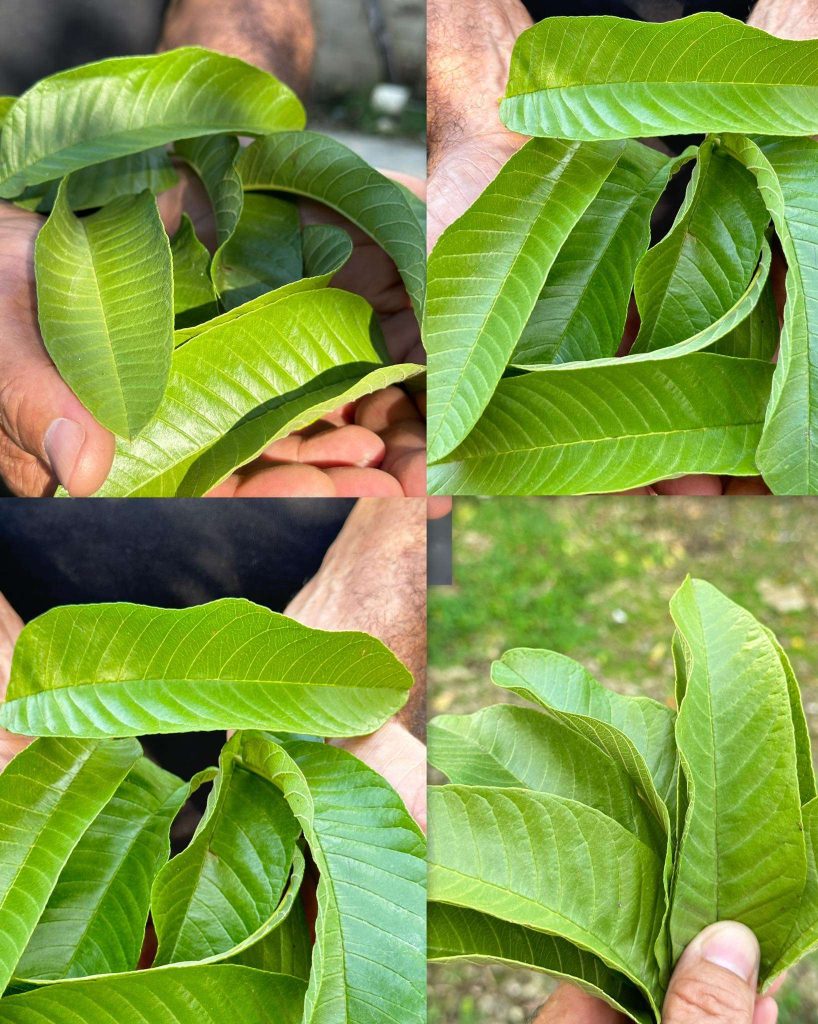
Introduction: The Unsung Hero of the Guava Tree 🌿
 Espanol
When we think of the guava tree, our minds often jump straight to its delicious, vitamin C-packed fruit. However, lurking in its branches is a powerful, often overlooked treasure: the guava leaf. For centuries, these humble leaves have been a cornerstone in traditional medicine systems across the tropics, from Ayurveda to folk remedies in Latin America and Africa. Today, modern science is beginning to validate what ancient healers have long known. This article delves into the remarkable, science-backed benefits of guava leaves, offering you practical ways to harness their potential for your health and well-being. Let's explore why this natural remedy deserves a spot in your wellness cabinet.
Espanol
Beyond Digestion: A Multifaceted Health Ally 🍃
While guava fruit is famous for aiding digestion, the leaves offer a broader, more potent spectrum of benefits. They are a rich reservoir of antioxidants like quercetin, flavonoids, and essential polyphenols, along with anti-inflammatory and antimicrobial compounds. This unique phytochemical profile is what grants guava leaves their versatile therapeutic properties, impacting everything from metabolic health to skin vitality.
Blood Sugar Regulation and Metabolic Health ⚖️
One of the most promising areas of research involves guava leaf's impact on blood sugar levels. Studies suggest that compounds in the leaves can inhibit the absorption of certain types of sugars in the blood, such as maltose and sucrose. Drinking guava leaf tea after meals may help prevent blood sugar spikes. This makes it a valuable, natural supportive measure for individuals managing insulin resistance or type 2 diabetes. Furthermore, its potential to aid in weight management is linked to this regulatory effect, as stable blood sugar reduces cravings and supports a balanced metabolism.
Powerful Support for Digestive Wellness 🤢➡️🤗
The traditional use of guava leaves for stomach ailments is strongly supported by their pharmacological actions. They possess potent antibacterial properties that can help combat harmful gut bacteria like Salmonella and E. coli, potentially reducing the severity of food poisoning and infectious diarrhea. For non-infectious issues, the leaves' anti-inflammatory qualities can soothe the lining of the stomach and intestines, alleviating symptoms of gastritis and irritable bowel syndrome (IBS). For acute diarrhea, a cup of strong guava leaf tea can provide relief. Simply steep 5-6 washed leaves in boiling water for 10 minutes.
Oral Health: A Natural Mouthwash 🦷
Forget expensive mouthwashes for a moment. Guava leaves offer a fantastic, chemical-free alternative for oral hygiene. Their antimicrobial and anti-inflammatory prowess targets the bacteria responsible for plaque, gingivitis, and bad breath. They can even help soothe the pain of mouth ulcers and toothaches. Try using cooled guava leaf tea as a gargle or mouth rinse daily. This practice not only freshens breath but also promotes stronger gums and may reduce bleeding, thanks to the leaves' high vitamin C content which is crucial for collagen production in gum tissue.
Radiant Skin and Strong Hair ✨
Your skincare and haircare routines can get a natural upgrade with guava leaves. The antioxidants, particularly vitamin C, fight free radicals that cause premature aging, helping to maintain skin elasticity and reduce the appearance of wrinkles. Their antimicrobial nature makes a guava leaf decoction an excellent topical treatment for acne, eczema, and skin infections. For your hair, applying a cooled tea rinse can combat dandruff, strengthen hair follicles to reduce breakage, and may even help slow down hair loss. It’s a true two-in-one beauty treatment from nature's lab.
Boosting Immunity and Heart Health ❤️🛡️
Guava leaves contribute to systemic health in fundamental ways. The high levels of vitamin C and antioxidants provide a robust boost to the immune system, helping your body fend off common illnesses. For cardiovascular health, the leaves may play a dual role: some studies indicate they can help lower "bad" LDL cholesterol and triglycerides, while the potassium content helps regulate blood pressure. By supporting healthy blood flow and reducing oxidative stress in blood vessels, guava leaves act as a guardian for your heart.
How to Use Guava Leaves: Practical Tips 🍵
Incorporating guava leaves into your routine is simple and cost-effective. The most common method is as a tea.
- Tea: Rinse 5-10 fresh or dried leaves. Gently crush them to release the oils, then steep in hot water for 5-10 minutes. Strain and enjoy. You can add honey or lemon for taste.
- Topical Application: For skin or hair, boil a handful of leaves in water for 15-20 minutes. Let the decoction cool completely, then apply it to the affected area or use it as a final hair rinse after shampooing.
- Extract & Powder: Commercial supplements like capsules and tinctures offer a concentrated form. Always consult a healthcare provider before starting any new supplement regimen.
Start with one cup of tea per day to see how your body responds. Ensure you source organic leaves, free from pesticides, whether you're harvesting them yourself or purchasing them.
Conclusion: Embracing Nature's Green Pharmacy 🌿
From stabilizing blood sugar and soothing digestive distress to enhancing your skin's glow and protecting your heart, guava leaves are a testament to the profound healing intelligence of nature. They remind us that sometimes the most powerful remedies are not the most exotic, but those that have quietly grown alongside us. While they are not a substitute for professional medical advice or treatment, they are an excellent complementary tool for holistic health. We encourage you to explore this natural wonder—brew a cup of guava leaf tea, and take a moment to appreciate this simple yet profound gift from the tree. Your journey toward integrating this ancient wisdom into your modern life starts with a single leaf. 🍃
Deja una respuesta